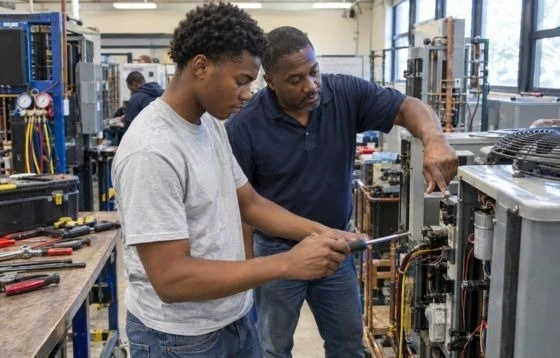
Heating and cooling systems do not run, get repaired, or stay legal without trained people behind them, and the credential on a technician’s wallet card often decides…
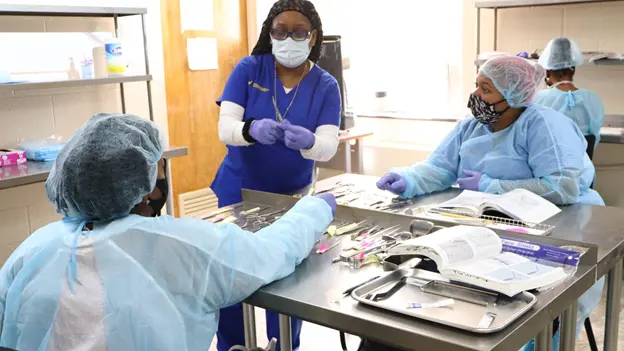
Every surgery, biopsy, and bedside procedure depends on instruments that are clean, sterile, and ready. The people who make that happen are sterile…
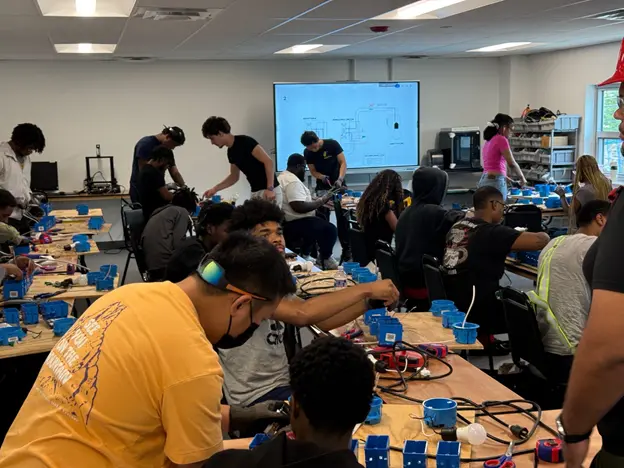
Wondering how to prepare teens for the workforce in a way that actually sticks? A traditional classroom alone often doesn’t cut it anymore. Today’s teens are very much..
If you want a healthcare career that skips years of college and puts you to work supporting surgical teams, two roles come up again and again: the sterile processing…
Women make up nearly half of the U.S. workforce, yet they hold only a small fraction of hands-on technical jobs, and that gap is exactly where the opportunity sits…
Every commercial building, hospital, warehouse, and high-rise in the Philadelphia region depends on fire-protection systems that most people never think…
If you are researching HVAC licensing in Philadelphia, the most useful thing to learn upfront is that Pennsylvania sets no single statewide license…
Few skilled trades offer a climb as clear as heating and cooling. You can start with little or no experience, train on real equipment, earn a paycheck within months…
Modern manufacturing runs on three kinds of skilled people: the person who keeps automated systems and robots running, the person who programs…
One of the most common questions prospective students ask before enrolling is a practical one: can you realistically hold down a full-time job and still attend trade…