
The sterile processing technician is responsible for sterilizing or sanitizing all labs and hospital equipment to reduce the risk of contamination. Particularly throughout medical procedures or necessary laboratory tests. If you desire to become a sterile processing technician, you must undergo a vigorous training program. As a practitioner, you will also adhere to the safety and sanitary guidelines in force.
This guide walks you through everything you need to know — from the role itself to the steps required to launch a successful career in sterile processing jobs.
A sterile processing technician is a medical specialist who disinfects equipment and appliances in a surgical atmosphere. They equip surgical units for planned and emergency surgeries. They use particular sterilization tools, such as autoclaves, to sterilize reusable surgical equipment.
A sterile processing technician also evaluates a hospital’s hygiene reserves and traces the locations of sterilization devices. In addition, they’re accountable for retaining their professional device and planning repairs as needed.
Central service is a rising career and is expected to grow as surgeries grow. Central service technicians, typically known as sterile processing technicians, play an essential role in preventing infection.
A central processing technician — commonly referred to as a sterile processing technician — plays a critical role in preventing healthcare-associated infections.
It includes different processes like assembling, cleaning, processing, storing, distributing, and sterilizing medical equipment. Consequently, central service technicians acknowledge the principles of sterile processing and sterilization. Additionally, sterile processing can clean medical supplies and prepare them for reuse. You may also begin researching sterilization technician training programs near you while still enrolled.
Firstly, the tools are cleaned, disassembled, and disinfected by a sterile tech. After that, instruments and tools are inspected for damage to ensure they can be used again. Likewise, once medical equipment disinfection is complete, it will be sterilized and packaged for reuse. Thus, tools are then kept and reissued in a sterile storage area.
Employers generally expect a high school diploma or equivalent to a sterile processing technician. To prepare for your dream career, you can contemplate taking biology, chemistry, and medicine lessons. While following your high school education, you may delve into sterilization technician training near you. Relying on the registration process for your target program, you may be eligible to apply before graduating from high school.
You can discover sterile technician programs at training schools or community colleges. Depending on the program category you select, sterile processing technician education can range from 10 weeks to 2 years.
To evaluate which program suits you best, consider applying to the institution and asking if you can attend a class. You may also consult professors and students to listen to their viewpoints on the program.
To register in your target program, you may need to meet specific requirements to be approved. For example, some programs require candidates to complete an entrance exam to assess their basic problem-solving abilities. Plus, the sterile techs capacity to organize the coursework. Sterile processing technician programs are available at trade schools and community colleges.
You can apply for an apprenticeship while you are in your education or after you finish the program. Clinical apprenticeships can enable you to apply what you have learned in the classroom and pertain your knowledge in a natural environment. In some cases, sterile processing technician interns may obtain a proposal for a permanent job.
Applying for an internship or clinical apprenticeship during or after your sterilization technician training gives you the opportunity to put classroom knowledge into practice in a real healthcare environment.
When attaining a Certified Registered Central Service Technician (CRCST) certification, search for guidelines to ensure you follow the certification that aligns with your career objectives. For example, you can test whether you need to meet requirements, such as having work experience.
Some sterile processing technician programs may deliver chances to earn work experience from paid or volunteer work. Consider recording the time you spend working in the area to assure you can deliver evidence to an accrediting body. Before taking a sterile processing certification exam, one can do so. An employment offer may be made immediately following a professional apprenticeship.
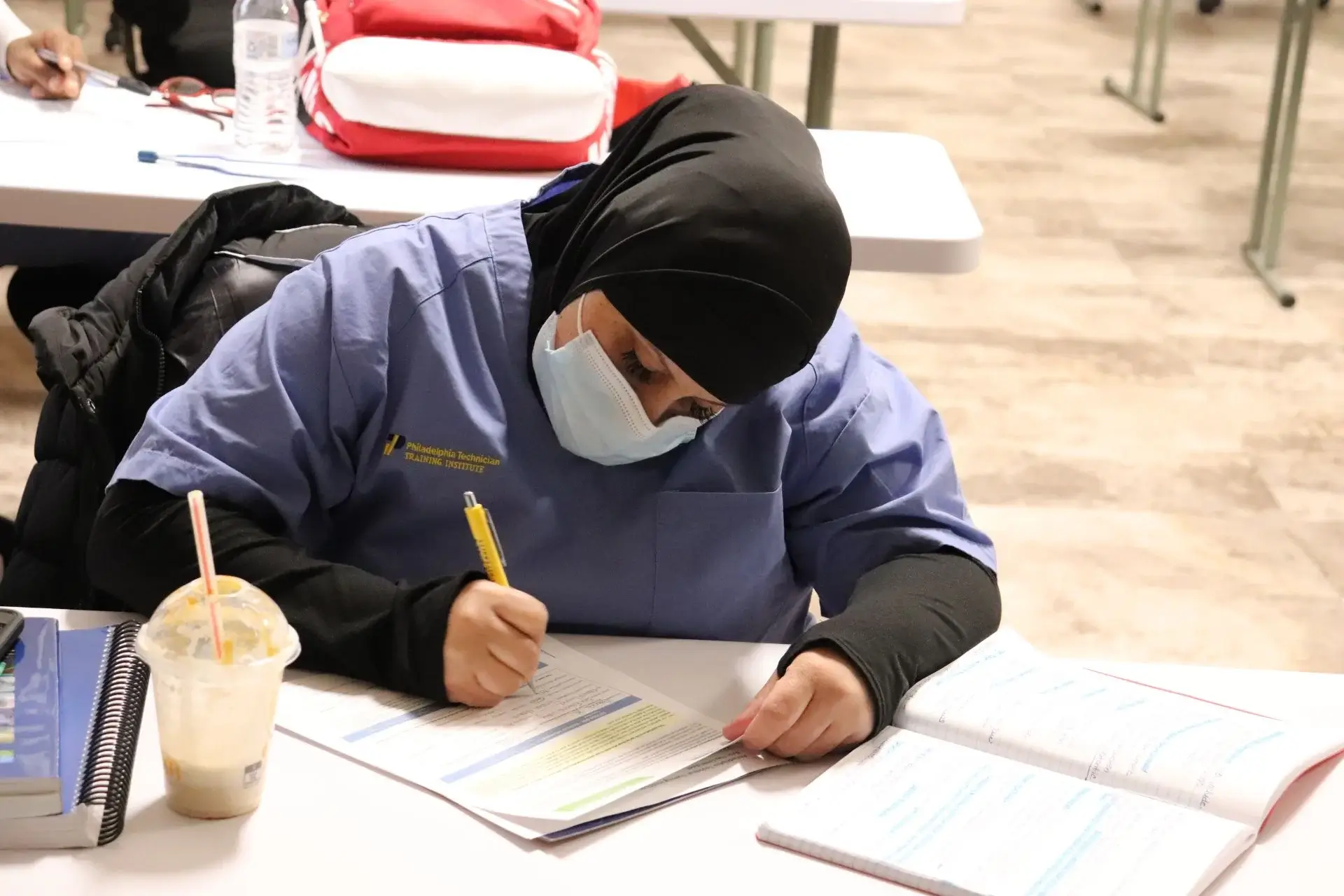
A central processing specialist plays an essential role in medical safety, but one that is not often obvious. In reality, this specialist personnel is responsible for sterilizing, packing, and transporting equipment used in the medical or administrative sectors.
These certifications can help you advance in your industry at every stage. However, you must update these credentials regularly to take out specific tasks in a formal context. In outline, annual permits both the customer and the practitioner in terms of reliability and improved medical care! A career as a sterile processing technician offers stability, purpose, and strong long-term demand in the healthcare industry.
Sterile processing jobs generally include positions such as sterile processing supervisor, surgical technologist, registered nurse, and sterile processing technologist.
The demand for these professionals is high in counties such as Wynnefield Heights, Mill Creek, West Philadelphia, Southwest Philadelphia, and Camden, NJ. Currently, employment growth of 1.5% is expected through 2029; the sterile processing technician program is the most direct path to getting there.
At PTTI, our sterilization technician training is designed to equip you with the hands-on skills, industry knowledge,
Hospitals, general healthcare centers, and other medical workplaces that require such specialist personnel are examples of possible job environments.
Read More: