
Ever wondered what could be the potential benefits of joining a manufacturing and automation trade school? Anyone who has stepped into a modern facility knows how different manufacturing has become today. The noise is still there, the movement never really stops. But the work looks completely different now. Robotic arms move with accuracy. Conveyor systems communicate with sensors. Control panels blink nonstop. This change arrived fast.
Because of this shift, learning manufacturing the old way no longer works. Watching from the side does not build confidence. Reading manuals does not explain real breakdowns. That is where a manufacturing and automation trade school starts to matter. These schools train people for what factories look like today, not what they looked like twenty years ago.
Students entering these programs usually want one thing. They want skills that make sense. Skills that lead somewhere real.
Factories now rely on systems that think, respond, and adjust. Humans still run them, but not with wrenches alone. This reality forces training to change. Trade schools understand that pressure.
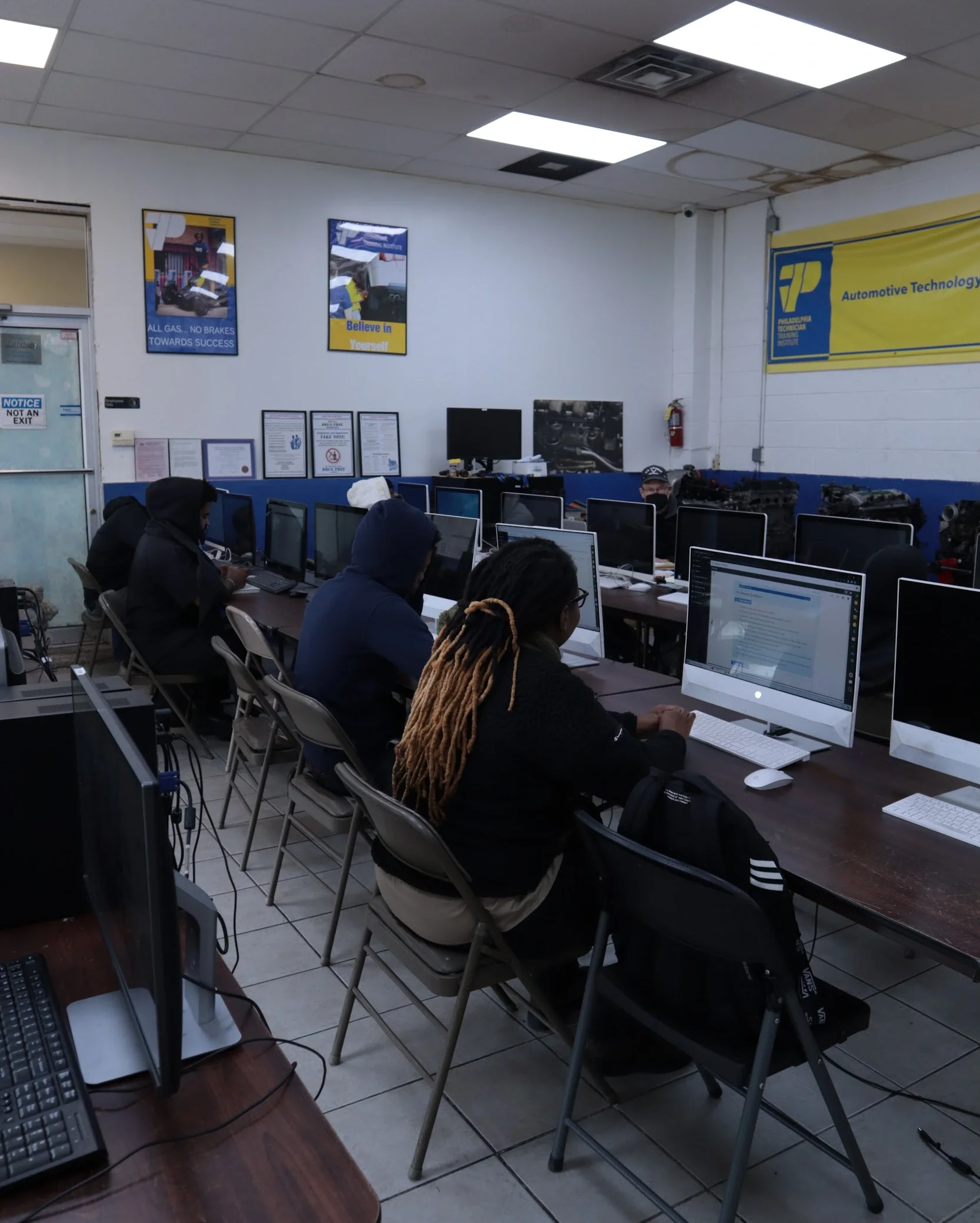
Inside a manufacturing and automation trade school, students do not wait years to touch equipment. They work with machines early. They see how automation responds when something goes wrong. Instructors explain problems the way they appear on the floor, not the way they appear in textbooks.
This kind of training builds awareness. Students learn how one small setting can affect an entire production line. They also learn responsibility. When automation fails, downtime costs money. That lesson sticks quickly.
Because the training mirrors real work, graduates do not feel lost when hired. They recognize the environment. They know the language. Employers notice that difference immediately.
Real manufacturing work does not happen on paper. Manufacturing trade school programs understand that completely. That is why workshops replace lecture halls as fast as possible.
Students wire panels. They adjust PLC logic. They troubleshoot motors that refuse to cooperate. Mistakes happen, and that is part of the point. Each error teaches something no slide deck ever could.
Inside manufacturing trade school programs, repetition matters. Doing the same process again and again builds instinct. Over time, students stop guessing. They start understanding. That shift changes everything.
Instead of asking what went wrong, students begin asking why it went wrong. That question separates trained technicians from helpers. It also prepares graduates to adapt when equipment changes or new systems arrive.
Automation did not erase jobs. It changed them. The demand now sits with people who understand systems instead of just tools. This shift explains the growth of industrial automation careers across the country.
Factories need technicians who can read data, interpret signals, and act fast. Trade school graduates often fill these roles first because they already know the environment. They understand alarms. They recognize patterns. That awareness reduces downtime.
Industrial automation careers also bring stability. Automation spreads across industries, not just manufacturing. Food production, logistics, pharmaceuticals, and energy all depend on automated systems. Skills learned in one sector transfer easily to another.
That flexibility keeps careers moving even when markets shift.
Many people hesitate before choosing a trade. They worry about getting stuck. A clear automation technician career path removes that fear.
Most technicians begin with maintenance or support roles. They monitor systems. They handle repairs. Over time, responsibility increases. Control systems become familiar. Specialization follows naturally.
An automation technician career path does not force one direction. Some technicians focus on robotics. Others move toward diagnostics or system optimization. Trade school exposure helps students see these options early.
That visibility matters. It allows students to aim instead of guessing. Careers grow faster when direction stays clear.
Manufacturers face a real problem. Skilled workers remain hard to find. Trade schools help close that gap.
Many schools build direct relationships with local employers. These partnerships lead to internships, apprenticeships, and job placements. Students benefit from real exposure before graduation.
Employers trust trade schools because training stays consistent. Graduates arrive knowing safety procedures. They understand documentation. They respect process. That reliability reduces training time. Trust grows quickly when new hires perform well. Certified skills plus hands-on experience make that possible.

Education costs matter, trade schools offer a faster path with less debt, programs finish sooner. Students enter the workforce earlier.
This speed changes lives. Graduates earn while others are still studying theory. Experience builds income, and confidence grows alongside skill.
Return on investment becomes clear fast. Training leads directly to jobs. Skills stay useful. Education feels practical instead of risky. For many students, this balance makes trade schools the smarter choice.
Automation does not pause. Systems evolve constantly. Trade schools prepare students for this reality by teaching fundamentals.
Students learn how systems communicate. They understand logic flow. That understanding remains useful even when equipment updates. Graduates also learn how to learn. That habit matters more than any single skill. Technicians who adapt stay employed. Those who resist change struggle.
Trade schools encourage curiosity instead of fear. That mindset keeps careers alive.
Confidence does not come from watching others work. It comes from doing the work personally. Trade schools provide that opportunity.
Students repeat tasks until comfort replaces hesitation. Over time, systems feel familiar. Mistakes feel manageable. Graduates enter workplaces ready to act. Supervisors notice that readiness. Teams trust technicians who stay calm under pressure. That trust opens doors to advancement.
Automation keeps growing. Skilled technicians remain essential, trade schools place graduates where demand stays strong, skills transfer across industries. Careers survive economic shifts. Stability becomes realistic.
Manufacturing needs people who understand machines and systems together. Trade schools build that combination.
A manufacturing and automation trade school prepares students for reality. Not theory. Not promises, but reality. Factories will keep changing, and automation will keep advancing. Skilled technicians will always matter. With the right training, confusion turns into confidence. The factory floor stops feeling intimidating. It starts feeling familiar.
That shift makes all the difference.
Read more-