
The labor shortage in skilled trades is creating real chances for people who want steady work, practical skills, and a career with lasting value in 2026. Across construction and service work, employers need dependable people who can learn fast, show up ready, and grow into roles that keep homes, buildings, and systems running well.
Many workers still overlook these paths because they focus only on office jobs or four-year degrees. However, hands-on careers now offer a serious way to earn respect, build skill, and step into work that stays useful in every economy. As a result, people who move early can place themselves in a much stronger position than those who keep waiting for the perfect moment.
Demand is not rising by accident. Instead, many openings come from a mix of new work, replacement needs, and an older workforce leaving the field after long careers. That shift matters because it gives new workers space to enter, train, and move upward without needing years of guesswork first.
For example, electricians are projected to see 81,000 openings each year, on average, over the decade, while employment for that occupation is projected to grow 9 percent from 2024 to 2034. In the same outlook, plumbers, pipefitters, and steamfitters are projected to see 44,000 openings each year, on average, over the decade. Together, those numbers show why employers are paying closer attention to reliable entry-level talent.
This moment rewards action more than hesitation. Therefore, a person who starts learning now can reach the market while employers still need fresh talent and steady hands. In many cases, companies value work ethic, consistency, and trainability as much as prior experience when the hiring pool stays thin.
That reality changes the career equation. Instead of chasing crowded fields, workers can move toward jobs that solve real problems every single day. Meanwhile, those who commit to learning tools, safety, and basic jobsite habits can separate themselves quickly from other applicants.
Some people benefit most by entering the field directly after finishing a trade school program. Others gain more by switching careers after feeling stuck in low-growth work with little stability. In both cases, the strongest advantage comes from choosing a path that matches personal strengths, patience, and willingness to improve over time.
A worker who likes solving physical problems may do well in electrical, plumbing, welding, HVAC, or maintenance work. Likewise, someone who prefers visible results often enjoys seeing a completed install, repair, or system test at the end of the day. That type of reward keeps many people engaged because the work feels concrete rather than distant or abstract.

Not every path deserves equal trust. Consequently, workers should look for options that teach usable skills, real safety habits, and direct job preparation instead of empty promises. Good skilled trades training helps learners understand both the pace of the work and the standards employers expect on site.
Strong trade school programs can offer a useful starting point when they connect learning to actual job tasks. At the same time, apprenticeships remain one of the clearest ways to gain experience while learning from people already working in the field. Since many trades depend on practical ability, any training path should lead to confidence with tools, process, and problem-solving.
Many families still ask about the trade school pros and cons before making a decision. That is a smart question because no training route works equally well for every person or every trade. A balanced view usually leads to better decisions than blind excitement.
The trade school pros and cons become clearer when workers compare cost, speed, hands-on learning, and employer recognition. On one side, school can provide structure, early exposure, and a smoother start for beginners. On the other side, some people learn faster through direct field experience and paid apprenticeship models.
Even so, the trade school benefits can be substantial for learners who need routine, mentorship, and a defined path into the workforce. In many settings, the trade school benefits include confidence, technical basics, and a stronger understanding of safety and expectations before the first full-time role begins.
That said, school alone does not guarantee success. Rather, progress usually comes from combining training with discipline, humility, and daily effort. Because employers notice attitude quickly, a worker who learns steadily often rises faster than someone who only talks about potential.
Employers rarely look only at certificates when they need dependable help. Instead, they pay close attention to habits that show whether a person can handle real work, real pressure, and real responsibility. In a tight hiring market, that difference often matters more than polished talk or perfect resumes.
A serious candidate usually stands out in clear ways. For example, that person arrives on time, listens carefully, asks useful questions, and follows directions without creating confusion. In addition, that person respects safety rules, keeps tools organized, and treats every task like part of a bigger system. These details may look small at first. However, they often shape hiring decisions much faster than people expect.
This is where skilled trades training becomes even more valuable. Training helps people build routines before they step into full-time work. As a result, they make fewer basic mistakes and adapt faster once the job becomes more demanding. That early adjustment can save time for supervisors and reduce stress for the whole crew.
The same idea applies to trade school programs that focus on practical readiness instead of empty classroom theory. When learners understand jobsite behavior, safety basics, and task flow, they enter with stronger awareness and better judgment. Consequently, employers can trust them sooner and assign more responsibility with less hesitation.
People often discuss the trade school pros and cons as if the choice depends only on money or speed. Yet the deeper issue is readiness. A worker who shows discipline, patience, and steady effort will usually create better results from any good learning path. Likewise, the real trade school benefits often appear in attitude, confidence, and work habits long before they appear on paper.
For that reason, the smartest move in 2026 is not chasing image or shortcuts. It is building the kind of daily reliability that employers remember and reward.
The shortage alone does not hand success to anyone. Nevertheless, it creates favorable conditions for people who prepare well and keep improving after entry. That is why skilled trades training remains one of the most important moves a worker can make in a crowded and changing labor market.
The best training does more than explain tools. It teaches how to follow instructions, work safely, solve problems calmly, and earn trust from supervisors and customers. Those habits help workers hold onto opportunities once they get them.
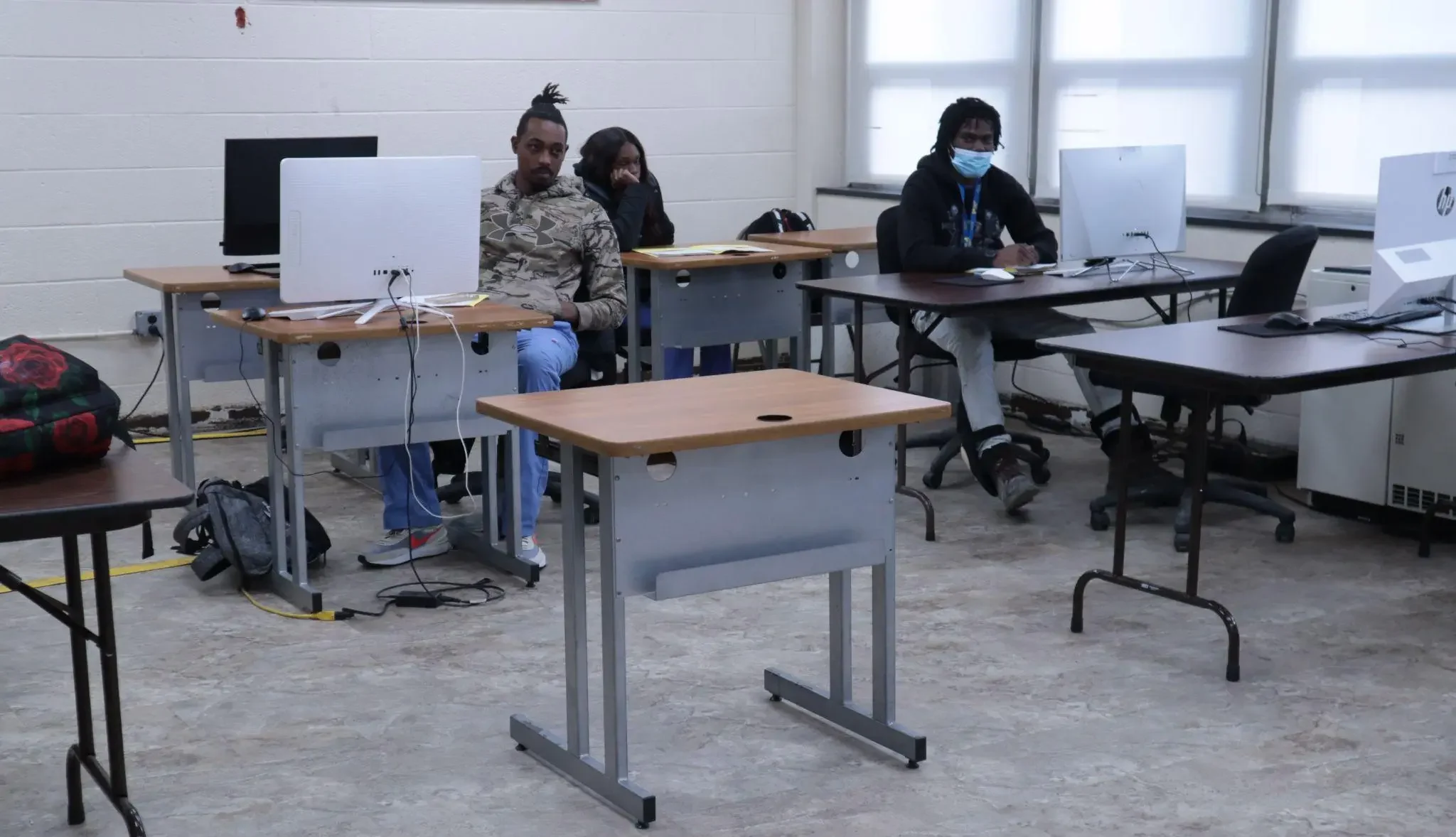
Good trade school programs also help beginners understand what daily work really demands. As a result, they can enter the field with fewer false expectations and a stronger sense of direction. When that practical mindset meets a real opening, career growth often becomes much more achievable.
Workers who move now can benefit from the labor shortage in skilled trades without treating it like a short-term trend. They can use this period to gain skill, earn trust, and build a career that stays useful long after hiring pressure changes. The most important step is simple: choose a path, train with purpose, and keep showing up ready to work.
Stop waiting for perfect certainty. Instead, pick one trade, study the daily work, and learn what entry routes exist in their area. Build credibility early. For instance, showing punctuality, physical readiness, and a willingness to learn often makes a stronger impression than talking too much about ambition. Employers need people who can contribute, adapt, and stay dependable under pressure.
Treat training as a long game. Even when the first step feels small, consistency usually beats speed in the trades. Over time, repeated practice builds judgment, and judgment often becomes the trait that creates better opportunities.
Read more-