
In 2026, people with welding technician skills find plenty of ways to build strong careers in shops, factories, and construction sites. They join a field where hands-on work meets growing needs for repairs, builds, and custom fabrication every day. Employers value welders who can handle modern materials, follow safety rules, and deliver clean, strong joints on time.
This year brings chances for technicians to expand their roles through better training and smart choices. They can move from basic jobs to leadership positions or even start their own shops. Workers who focus on welding skilled trades often enjoy steady demand because bridges, pipelines, and machines always need skilled hands.
Meanwhile, technology adds new layers to the trade, from robotic assists to advanced alloys. Those who embrace these changes stand out and earn more over time. People entering or advancing in welding skilled trades can position themselves for long-term success with the right steps.
Technicians who update their toolbox stay ahead in busy shops and yards. They learn robotic welders, laser cutters, and plasma systems that speed up production without losing quality. Employers prefer workers who can set up these machines, troubleshoot faults, and switch between hand and automated tasks smoothly.
However, welding technician skills go beyond equipment to include reading complex blueprints and working with exotic metals like titanium or high-strength steel. Workers practice these techniques in hands-on sessions to build confidence for real projects. They also focus on precision joints that pass strict inspections in aerospace or automotive fields.
At the same time, safety training keeps everyone protected on crowded floors. Technicians who earn certifications for hazard awareness and proper gear use often land better-paying shifts. Their commitment to safe, efficient work makes them reliable choices for teams handling big contracts.
Certifications turn good welders into top choices for hiring managers. Bodies like the American Welding Society offer tests for processes such as MIG, TIG, and stick welding on various thicknesses and positions. Workers pass these exams by demonstrating clean beads, proper penetration, and consistent results under timed conditions.
Furthermore, specialized credentials in pipe welding, underwater work, or aerospace standards open doors to high-demand niches. Technicians who hold multiple certs can negotiate higher rates or move into supervisory roles. They also qualify for projects that require documented proof of expertise.
Even so, renewing certifications keeps skills current with industry shifts. Programs often include refreshers on new codes, materials testing, and quality control methods. People who stay certified show employers they value ongoing growth in welding skilled trades.
Anyone weighing options should consider welding trade school programs carefully. These schools offer structured labs, experienced instructors, and access to pro-grade equipment that builds real-world readiness. Students finish with portfolios of welds that impress potential bosses during interviews.
On the upside, welding trade school provides focused training without the broad requirements of college degrees. Many programs run six months to two years, letting graduates enter the workforce sooner with less debt. Partnerships with local shops often lead to job offers right after completion.
Yet welding trade school programs come with tradeoffs like physical demands and high-heat environments. Students must handle long hours in protective gear and learn strict safety habits from day one. Despite these challenges, welding trade school remains a solid path for committed people.
Workers who maximize welding technician skills network actively at trade shows and local union meetings. They share tips, learn about openings, and build contacts who recommend them for projects. These connections often lead to side gigs or full-time roles that match their strengths.
Additionally, they track industry trends through magazines, online forums, and supplier updates. Knowledge of green welding processes or automated systems helps them suggest improvements at work. Bosses notice when technicians spot ways to cut waste or boost output safely.
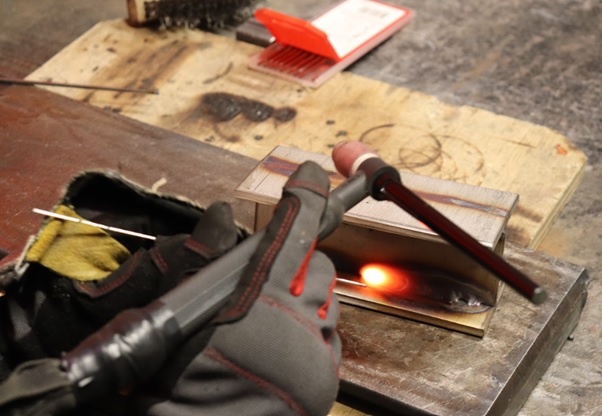
Moreover, pursuing welding technician career growth means seeking feedback from mentors and peers. Honest input reveals blind spots, like uneven travel speed or filler choices. Technicians who apply that advice refine their work and climb ladders faster.
Success in welding skilled trades relies on who you know as much as what you know. Technicians attend job fairs, fabrication expos, and supplier demos to meet decision-makers face-to-face. They hand out resumes, show sample welds, and ask smart questions about upcoming needs.
In addition, online groups and apps connect welders with remote gigs or travel contracts. Platforms list short-term pipeline jobs, shipyard repairs, or custom fab work across states. Workers who build profiles with photos of their best joints attract steady inquiries.
Meanwhile, unions provide training funds, health benefits, and priority hiring for members. They negotiate fair wages and safe conditions that independent shops sometimes skip. Joining strengthens a welding technician career with support and bargaining power.
Prospects thinking about school evaluate welding trade school options based on location and specialties. Programs near industrial hubs offer internships at active sites, giving students paid experience early. Graduates walk away with contacts and references that ease job hunts.
Conversely, welding trade school requires upfront costs for tuition, tools, and gear that add up quickly. Students balance this against faster entry and higher starting pay compared to self-taught paths. For many, the investment pays back in under two years through reliable work.
Therefore, researching multiple schools helps narrow choices to those with strong placement records. Visitors tour shops, talk to current students, and review certification pass rates. This due diligence ensures welding trade school programs deliver real value.
Experienced technicians often launch side businesses to control their schedules and income. They buy portable rigs and advertise for gates, trailers, railings, and repairs on local sites. Word-of-mouth from happy customers brings repeat work and referrals steadily.
However, success demands solid business habits like tracking expenses, quoting jobs accurately, and delivering on deadlines. Welders who specialize in niches such as ornamental iron or mobile repairs stand out from generalists. Their reputation for quality and reliability grows the client base over months.
At the same time, insurance and permits protect against risks on private jobs. Technicians who handle paperwork properly avoid headaches and build trust with homeowners. This venture lets them apply welding technician skills in fresh ways while keeping main employment secure.
Physical health underpins a lasting welding technician career. Workers lift heavy plates, stand for hours, and work in awkward positions that strain backs and shoulders. They counter this with stretches, core exercises, and ergonomic habits taught in safety classes.

Furthermore, eye protection, respirators, and ventilation gear prevent fumes and flashes from causing harm. Technicians who prioritize these items set examples for crews and reduce injury risks. Regular checkups catch issues early, keeping them productive for decades.
Even so, mental sharpness matters too. Focused workers spot defects, adjust settings, and avoid costly mistakes under pressure. Rest, hydration, and balanced meals support that clarity during long shifts.
Seasoned welders gain satisfaction by training apprentices and new hires. They demonstrate techniques, correct common errors, and share shop shortcuts patiently. This role builds leadership cred and often leads to foreman or instructor positions.
Besides, companies reward mentors with bonuses or preferred shifts for developing talent. Welding training programs pair experienced hands with rookies for structured learning. Those who excel here expand their influence in welding skilled trades.
Ultimately, passing knowledge ensures the trade thrives as veterans retire. Technicians who teach leave a legacy while refreshing their own fundamentals. In 2026, making the most of welding technician skills means growing personally, professionally, and within the community of makers.
Read More: