
The reliable trade schools in Philadelphia can make the difference between a good-paying career and a mound of debt or even no employment to show for it.
Here, the stakes are huge with increasing online fraud. But a successful trade gives you freedom and physical control, not “cubicle fatigue” from a standard four-year degree. However, the desire for trained labor has led to the rise of “diploma mills,” which promise everything but deliver little.
If you’re ready to quit living paycheck to paycheck and start your journey to independence, you need a plan that cuts through the noise to reality. To help you get started, here is a quick overview of what we will cover.
Short Guide – TL;DR:
In this article, we’ll cover how to evaluate vocational training in Philly, how to recognize red flags, and how to make sure you’re getting the hands-on training you need.
Basically, a trade school (also called a vocational school or technical school) is a school where you learn skills that are used in a certain job. These schools are not like a university where you study philosophy or history; instead, they are more like “learning by doing”.
In a city like Philadelphia, the “why” is simple: infrastructure. Our city is old, and our industries are booming. As a result, there is a great need for professionals who know how to fix, develop and maintain from the Navy Yard to the growing healthcare corridors.
Facts: According to recent research from 2026, the need for skilled trades in the United States is increasing at a rate three times faster than that of traditional desk-based jobs.
Getting your hands-on education from trade schools in Philadelphia means you can skip the fluff and get right to work because no one hesitates hiring experienced workers. Moreover, with short-term (6-8 months) training courses, for a young person in Philly, this is the shortest way to financial freedom.
Trade education is the lifeblood of practical training. It means that instead of reading a book about an engine, you are really taking one apart.
When you look at vocational training in Philly, you’re not just paying for a classroom; you’re paying for shop time. Keep in mind, if 90% of the learning time is spent on only a computer or a whiteboard, it is a huge danger indicator.
Your best defense is to know how to spot trade school scams. Most scams play on your desire for a quick cure. Basically, if anything sounds too good to be true, it probably is.
No education can promise you a job 100%. While they can give you tools, contacts, and career services, they can’t sign an employment contract for you. Good trade schools in Philadelphia will provide their placement rates, not false claims.
If an admissions officer is phoning you three times a day or saying the “offer expires today,” go away. Education is a huge investment, and therefore, you have a right to take your time.
Some schools will promote a cheap “tuition” but tack on thousands more for things like books, lab equipment, and safety gear. Be sure to inquire about the total cost of attendance at all times.
Looking for the top vocational training in Philly takes a little sleuthing. Instead of looking at the beautiful pamphlets, you should look at the grease on the floor.
Make sure the school is accredited. Accreditation is an “official stamp of approval” from an official body. Otherwise, your credentials may be of little value to companies.
There’s a big void in welding, manufacturing and automobile repair in the Philadelphia economy right now. Thus, it is smart to seek out short-term courses for the highest-paying trade jobs. Schools like the Philadelphia Technician Training Institute (PTTI) fill these specific niches, so you learn what Philly firms are truly recruiting for.
When you go to trade schools in Philadelphia, check out the tools. Specifically, are they contemporary? Are there enough machines for everybody, or do people have to wait? You need real equipment to train on the job.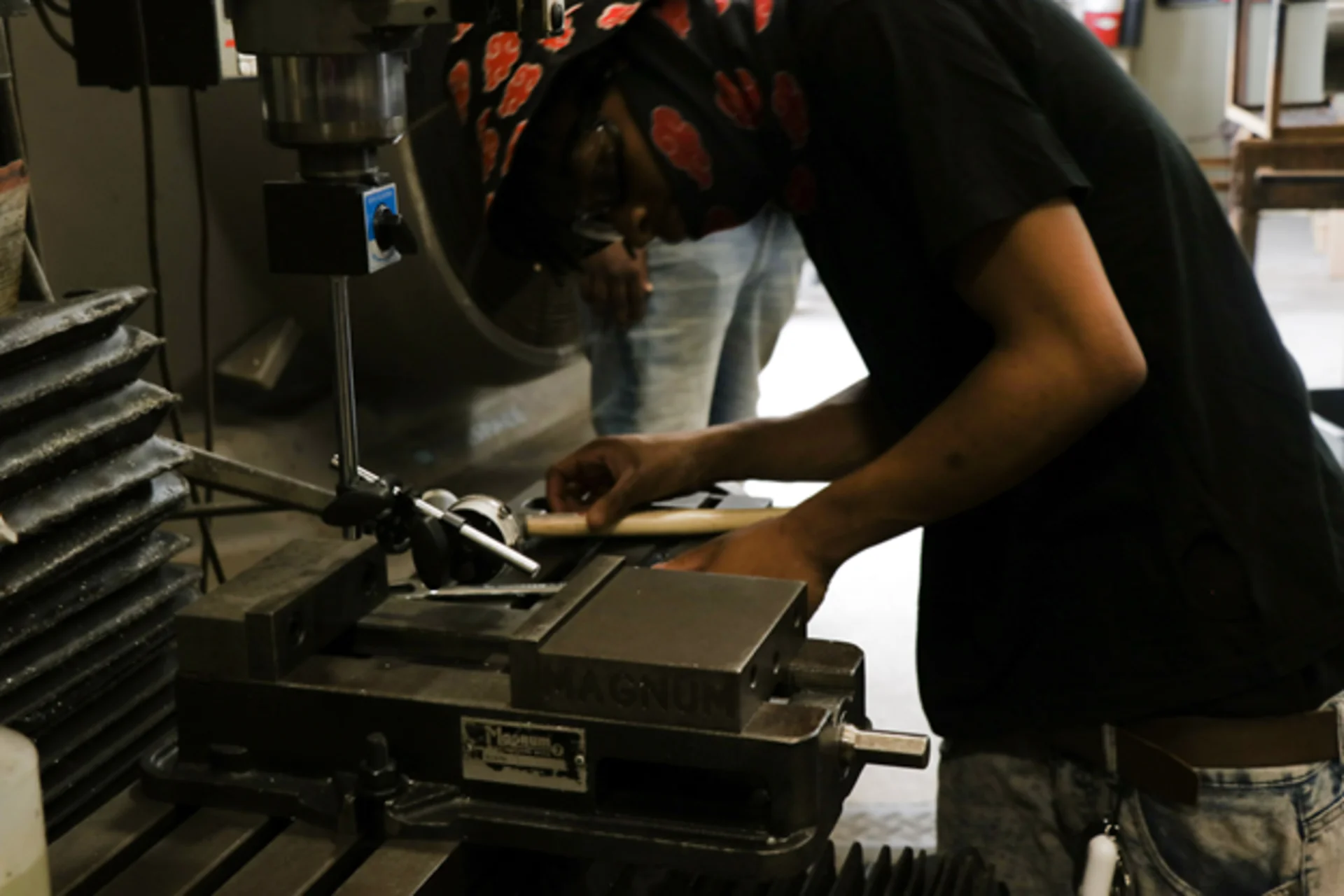
You are not going to school for fun; you are going to do it for the income. If you are looking for the best paid trade jobs, Philadelphia has a lot to offer, including:
Many of these are short-term programs that prepare you for professions that pay well, so you may be out in the workforce in less than a year.
Cost is generally the single largest barrier. Nevertheless, don’t just opt for the cheapest choice. A highly inexpensive school may have old equipment, and a highly costly “for-profit” school may be gouging.
ALWAYS inquire about financial aid. If you’re looking to minimize your out-of-pocket costs, FAFSA is an option at most trade schools in Philadelphia.

In Philly, word of mouth is king. If you are looking at trade schools in Philadelphia, ask around. Stop by a nearby auto shop or construction site and ask the foreman where they get their employees.
Schools that have been around for years usually have deep roots. They work with local companies to establish “pipelines.” For example, PTTI has a reputation for graduating “work-ready” grads. Thus, Philadelphia firms are more inclined to recruit the same students.
Let’s review the warning indicators you should never ignore:

Imagine Marcus. Marcus aspired to become a technician. He saw an ad on social media for an online “Master Mechanic” class. He paid $2,000, watched some videos and got a certificate.
Unfortunately, when Marcus walked into a shop in South Philly, the owner requested that he change the brakes. Marcus realized he had never truly held a brake pad. He had no hands-on training. He got ripped off by a “digital only” trading program. Don’t be Marcus.
In conclusion, there is courage in choosing among the several trade schools in Philadelphia. It’s a promise to you and your future. You need actual hands-on training and need to look for Philly’s vocational training. This way, you’ll be putting yourself up for a life of stability.
The objective is to uncover the highest-paying trade jobs without falling for the traps of scammy individuals. To move forward, follow these steps:
Don’t wait for a “better time.” Start establishing your career today!
Q: How long does it take to finish vocational training?
A: Generally, most programs are 6 months to 2 years, depending on how sophisticated the trade is.
Q: Is it possible to receive a loan for tuition at trade school?
A: Yes, generally, if the school is accredited, you can qualify for federal or private student loans.
Q: What are the highest-paying trade jobs for beginners?
A: At the moment, industrial welding and HVAC techs tend to have the greatest starting pay in the Philadelphia area.
Q: Hands-on training or a degree, what’s better?
A: It depends on what you want to do. However, if you want to get into the job quickly and prefer working with your hands, a trade school is frequently the better value.
Read more: