
Sterile processing/central service technicians are an integral part of the Medical/Healthcare industry. The role of Sterile processing / Central service technicians is to sanitize and prepare medical instruments and tools to prevent infection and also manage inventories and related areas in the medical industry.
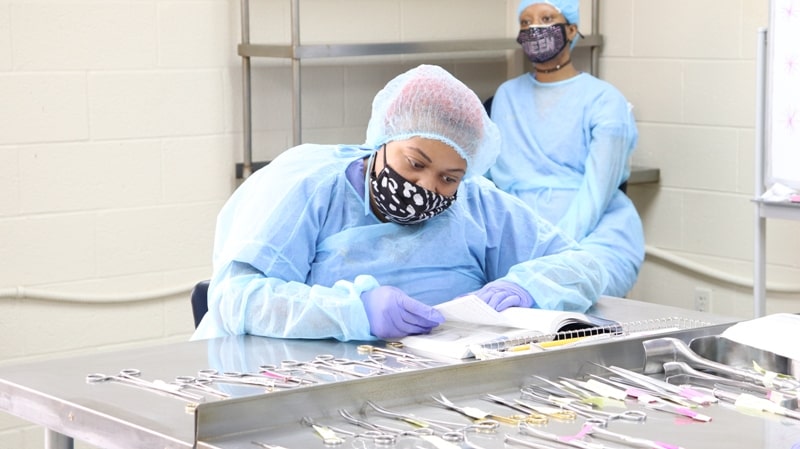
The minimum education required to become a Sterile processing / Central service technician is High School Diploma or GED, and you also must be 18 years or above. These are the eligibility criteria to get enrolled in a Qualified Institute. Sterile processing/central service technician Programs vary from 8 months to 1 year, depending on the school.
Do thorough research before enrolling in a Sterile Processing / Central service technician School. Ensure that the school has a 100 percent pass rate for National Certification with the International Association of Healthcare Central Service Materiel Management (IAHCSMM). These certifications are validated throughout the whole nation. Therefore, you can work in any state of the US.
One such school that got a first-time 100% pass rate for IAHCSMM is Philadelphia Technician Training Institute which provides 8-month hands-on training and education program in Central and Sterile Processing.
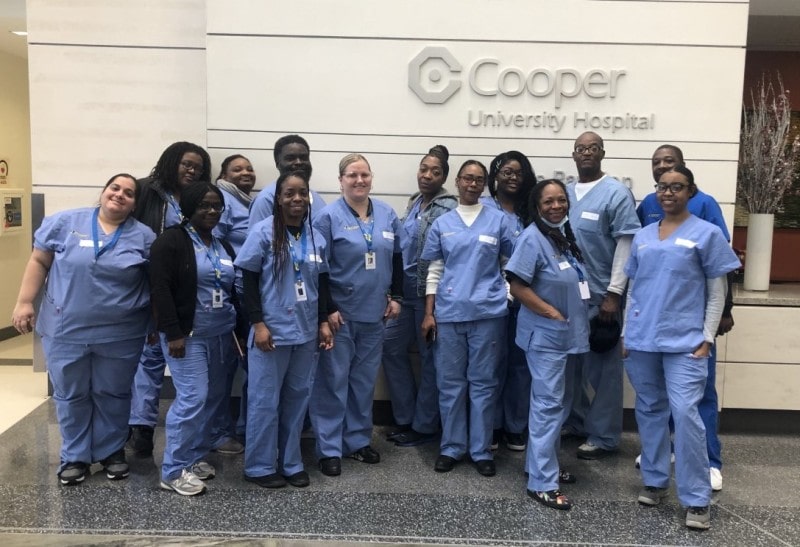
A central sterile processing technician needs to obtain an internship after sterile processing technician training. They have many opportunities in the healthcare industry. For example, they can work in a hospital, dental clinic, pharmaceuticals, etc.
Some sterile processing technician certification institutes provide career services that help find yourself an internship in the field. PTTI has excellent career services that have allowed its students to achieve their goals. Hear from their student directly. –
Get certified for Certification Board for Sterile Processing and Distribution (CBSPD) or International Association of Healthcare Central Service Materiel Management (IAHCSMM) or similar certifications. These are the 2 certifications that you can obtain.
For CBSPD, you need to have completed a certified training course in Sterile & Central along with a grade 70 or above or must have 1 year of employment experience from sterile processing technician school.
. For IAHCSMM, you’ll need first to acquire a Certified Registered Central Service Technician (CRCST), for which you will need 400 hours of experience and need to pass an exam.
5) Career Outlook and Daily Responsibilities
Choosing to become sterile processing technician means stepping into a career that directly impacts patient safety and healthcare quality. Sterile processing professionals work behind the scenes, yet their role is critical. Every surgical procedure, dental treatment, or emergency intervention relies on properly cleaned, assembled, and sterilized instruments. Without trained technicians, infection risks rise and healthcare outcomes suffer.
While entry-level salaries vary, certified technicians often see steady wage growth with experience. Healthcare employers prioritize reliability and precision, making this a stable career choice even during economic downturns. Completing a recognized sterile processing certification program can lead to higher pay, better shift options, and long-term career security.
Additionally, technicians who pursue continuing education or advanced certifications may move into quality assurance, education, or management roles. Many professionals who become sterile processing technician later expand their healthcare careers by transitioning into surgical technology or healthcare administration.
Success in this field starts with proper education. Enrolling in an accredited central sterile technician program ensures you gain both theoretical knowledge and real-world experience. Programs that emphasize hands-on learning, certification preparation, and career support provide the strongest foundation for long-term success.
Read more:
Find a sterile processing trade program now!Discover Program
Search no more for sterile processing trade programs of your interest.
