
AI in skilled trades is the beating heart of today’s American workplace. When most people think of a dusty Philadelphia factory or a busy Broad Street construction site, the term “artificial intelligence” surely doesn’t come to mind. They imagine dirt, grease, and a great deal of physical exertion. However, that’s not the story for 2026.
If you’re new to the job market or want to go up in your career, you’ve probably noticed that the “old ways” are getting a digital makeover. Actually, we’re not just swinging hammers anymore; we’re utilizing data to make them hit the right spot. If you want to go to a trade school in Philadelphia or are already there, knowing this tech is what will make you stand out from the rest.
A connected ecosystem is what we mean when we talk about smart workshop technology. Think about a store where the tools can “talk” to the software that runs the business. In 2026, a “smart” workshop employs the Internet of Things (IoT) to connect design and production.
For example, no more misplaced invoices and manual job cards today. Now, modern garage management systems take care of billing, keeping track of customers, and sending out service reminders on their own. But it goes deeper than that. Digital twins are virtual copies of real devices that let technicians run tests before they even pick up a wrench. Consequently, this level of smart workshop technology makes sure that mistakes are few and productivity stays high.
The job site is arguably the best place to see the digital revolution in action. AI in construction has totally changed how we plan, develop, and take care of infrastructure planning. We can now employ machine learning and computers to monitor and handle sites in real time.
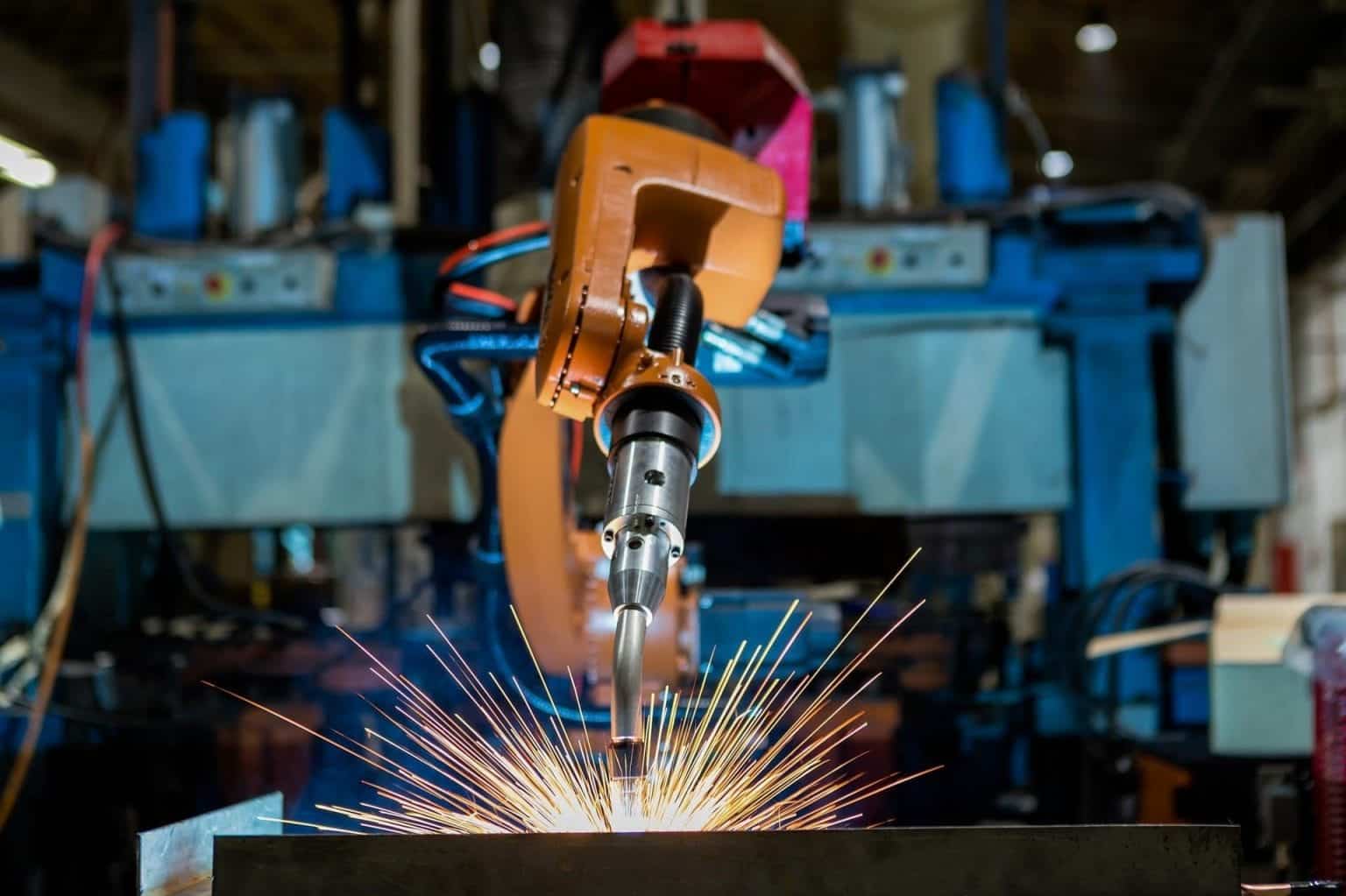
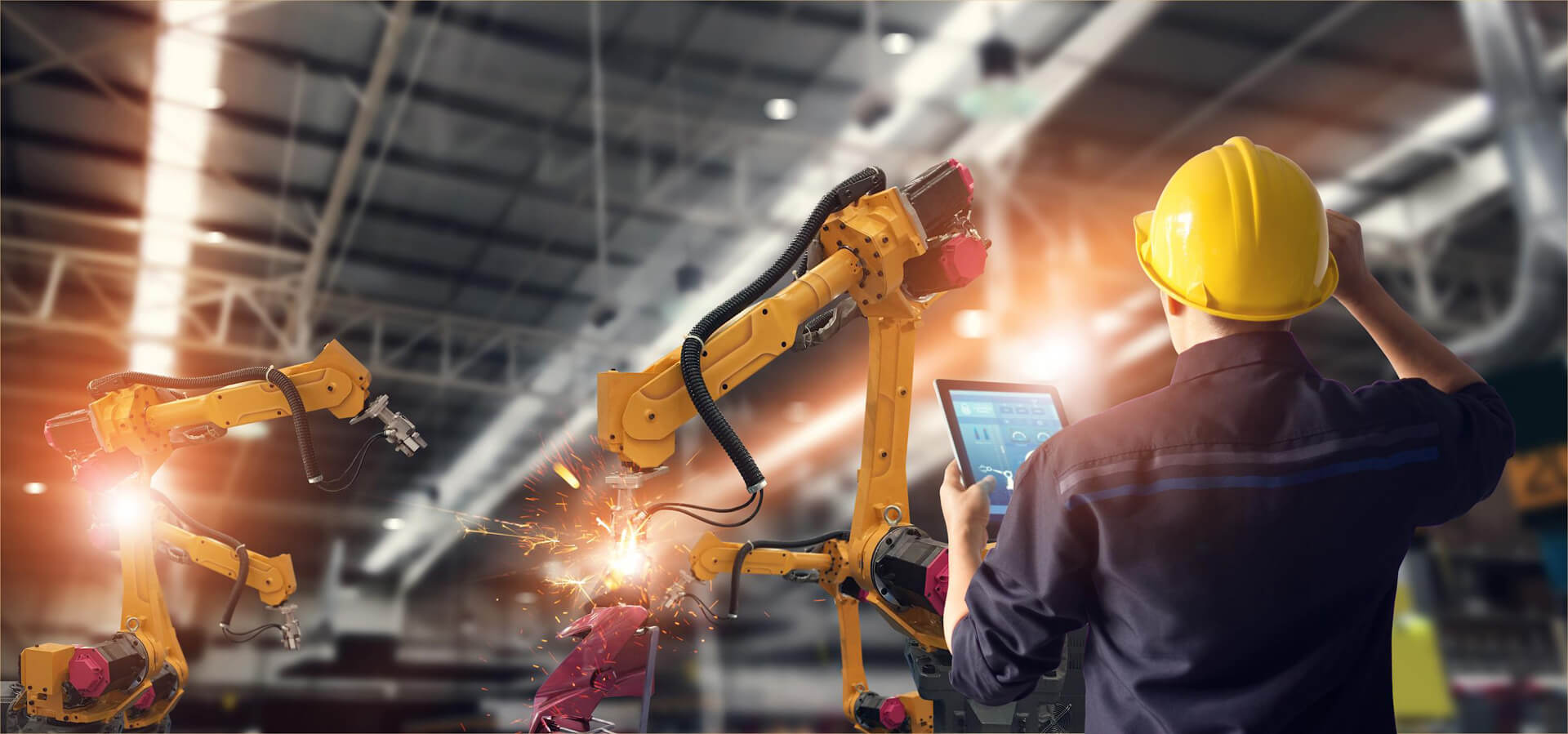
Think about how hard it would be to do a big remodel in Philly. In the past, A mistake in the designs might not have been found until the concrete was poured. Now, however, AI in construction leverages data from BIM (Building Information Modeling) and sensors to figure out what might go wrong before it does. It can even conduct actual work on its own. Don’t be shocked to see robots doing the same jobs over and over, like welding or laying bricks.
This doesn’t mean that people are being replaced. It means that the future of skilled trades is about people running smart systems to conduct important work without making any mistakes.
Let’s talk about skilled trades employment that will last. While the thing may sound overpromising, it really means possessing talents that technology can’t easily copy. AI is good at looking at facts, but it doesn’t have the same gut feeling that a human master does. Therefore, the individual who succeeds in 2026 is the one who can use both human intuition and AI-driven insights.
As you look into other career paths, you’ll find that the best contractors are the ones who can read a predictive maintenance report. They aren’t just mending the faulty HVAC unit; they’re also using AI to tell the consumer why it was going to break in three weeks. That’s the kind of worth that makes you irreplaceable.
Predictive maintenance is one of the most interesting use cases of AI in skilled trades. In the old days, fixing a machine used to require waiting for it to start smoking. Eventually, we moved on to “preventative” maintenance, which now includes swapping out functional parts at a scientific schedule.
Currently, we have maintenance that can anticipate issues. AI systems monitor machine signals like vibration, heat, and sound to predict when a machinery component may fail. In fact, on average, facilities that use predictive maintenance enjoy a 5% to 15% decrease in downtime.
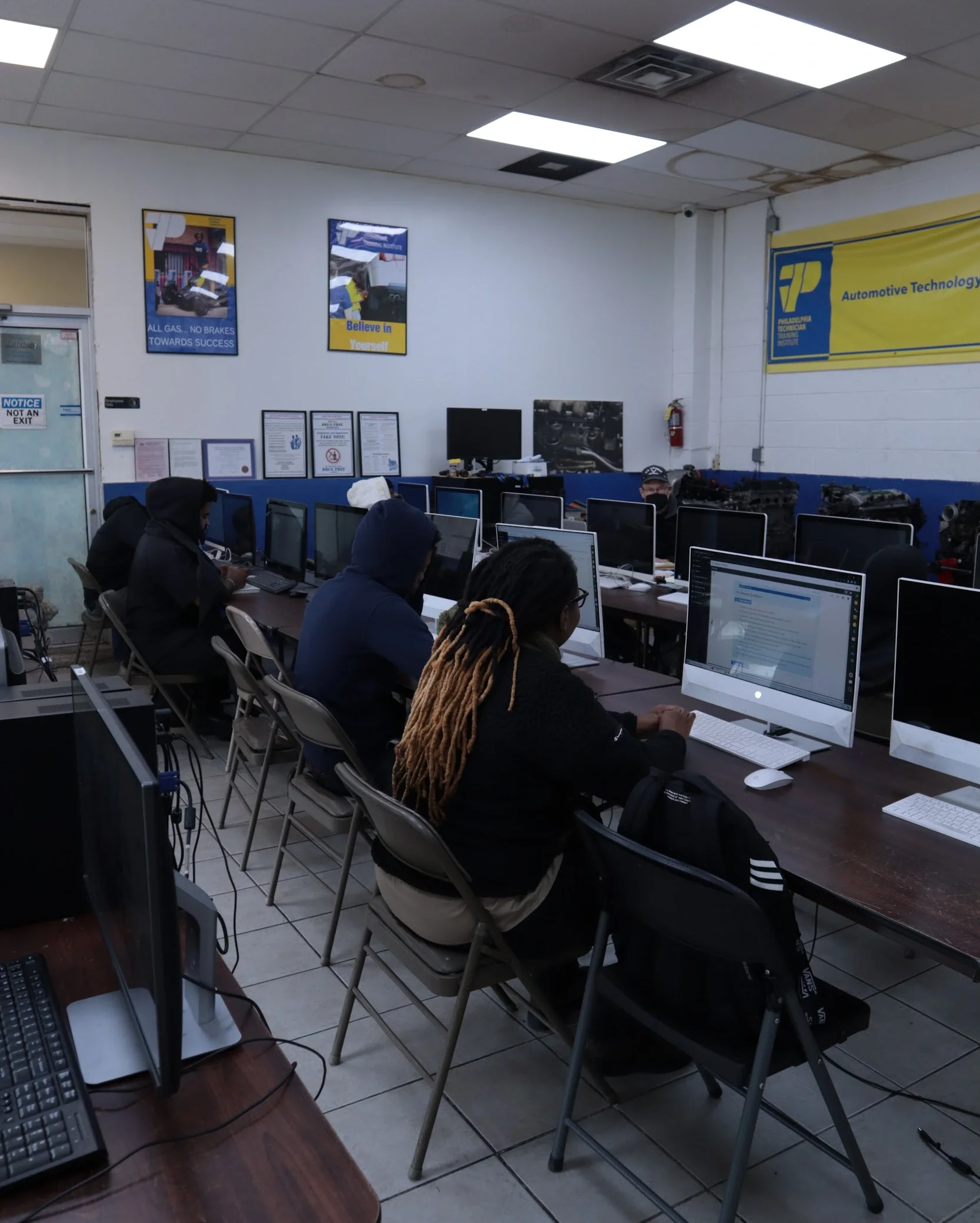
If you live in or near Philly, you might be asking how this affects you. The first step to becoming an expert with these tools is to choose a good trade school in Philadelphia. Companies in the area want graduates who not only know how to use a multimeter, but also how to use the digital diagnostics that go with it.
The Philadelphia Technician Training Institute (PTTI) and similar programs are meant to fill this gap. Our faculty know that the skilled trades are changing. Our teaching approaches and methods focus on real-world, hands-on experience that is similar to what you would find in a modern workshop. Getting your hands on smart workshop technology while you’re training is a big help, whether you’re learning about cars or making things. It makes a job a lifetime career for you and your society.
When you think about the future of skilled trades, don’t simply think about the tools. Think about the different career paths you may take.
Moreover, the best thing about skilled trades is that you can’t outsource these positions. They need to be there in person and have a bright intellect. By embracing technology now, you can ensure that your job is not just stable but also fun and well-paying.
Conclusion: The Workshop is Where Your Future Begins
The use of AI in skilled trades is the largest change we’ve seen in a generation. It’s making workshops safer, more open, and more efficient. In short, the lesson is obvious for people who want to work in the field: don’t be afraid of the tech learn how to use it.
People who are willing to study AI will have a bright future in skilled trades. You are setting yourself up for a lifetime of success by picking a trade school in Philadelphia that remains ahead of the curve. Whether your ability to work with these systems will be your best asset, whether you’re interested in AI in construction, or the newest smart workshop technology. Are you ready to learn it?
A: Not at all! Most of these tools are made to be easy to use. You can learn how to use a smart diagnostic tool or a garage management system if you know how to operate a smartphone. The point of smart workshop technology is to make your job simpler, not harder.
A: There are a lot of choices, but the Philadelphia Technician Training Institute (PTTI) is well-known for its hands-on approach and concentration on current industry standards. We put the tools and technology that employers will be employing in 2026 at the top of their list.
A: Actually, it usually means more jobs, but not the same kinds. While a robot can lay bricks, we still need more trained tradespeople to program, maintain, and monitor it. It changes the work from being purely physical to a mix of physical and technological skills.
A: Using AI in skilled trades for maintenance saves money, even for a small business. It keeps your most expensive tools from breaking down when you least expect them to, so you never have to tell a client that you’re late because a machine broke down.
Read more: