
A strong career in sterile processing offers stable work, clear responsibility, and the chance to protect patient safety every single day. In 2026, hospitals and clinics continue to depend on skilled staff who prepare, clean, and manage instruments that surgeons and nurses need for safe procedures. Because lives and outcomes depend on this work, people who treat the role seriously can build a path with real purpose and long-term value.
Modern healthcare relies on complex tools that must stay clean, safe, and ready on time. Behind every smooth operation stands a team that checks instruments, tracks sets, and follows strict steps so contamination never reaches the patient. When that chain breaks, risk rises fast, so leaders look for people who respect detail and follow process without shortcuts.
The national data for medical equipment preparers, a group that includes many sterile processing roles, shows how important this work has become. Employment estimates list 66,790 workers in this occupation, with a mean annual wage of 47,410 dollars in recent reporting. General medical and surgical hospitals alone employ 46,330 of these workers, which highlights how central these roles are to everyday care.
A person in this field spends most of the day moving instruments through a clear cycle. They receive used trays, sort and clean tools, inspect every item carefully, then package and sterilize according to strict standards. After that, they label, store, and deliver the sets so that surgical and procedure rooms never face delays or missing items.
Many workers hold titles such as central service technician or central sterile technician, depending on the facility and department structure. A central service technician may focus heavily on inventory, storage, and distribution, while a central sterile technician often concentrates on decontamination and sterilization steps. Together, these roles form the hidden backbone that keeps operating rooms safe and efficient.
People who want to enter this field need more than interest alone. They need structured learning that covers infection control, microbiology basics, instrument names, and sterilization science so they do not make dangerous mistakes on the job. That is where a sterile processing technician certificate program becomes especially helpful for new entrants.
A focused sterile processing technician certificate program usually combines classroom topics with labs and supervised practice, which helps learners connect theory to real tools and workflows.
Success in this field starts with strong sterile processing technician training that goes beyond memorizing steps. High-quality programs show learners how to think through risk, recognize damage, and respond correctly when something looks wrong. They also stress communication skills so technicians can update nurses, surgeons, and supervisors without confusion or delay.
Because real excellence grows in practice, many schools and centers emphasize hands-on sterile processing technician training in labs and clinical sites. Those practical sessions teach instrument handling, autoclave use, packaging standards, and record-keeping, all under guidance from experienced staff. Learners who treat every lab like a real shift often adjust much faster once they enter busy hospitals or surgery centers.
Anyone can start a career in sterile processing, but not everyone grows into the most trusted people in the department. Those who excel treat every shift as a chance to improve their timing, accuracy, and understanding of the full instrument flow. Over time, they become the people others ask when a case is complex or a tray arrives with unexpected issues.
People who commit to this career in sterile processing should think several years ahead rather than only about the first job. They can aim for roles such as lead tech, shift coordinator, supervisor, or educator inside sterile processing or perioperative services. Some move into quality, infection prevention, or equipment management once they understand both tools and systems well.
In many settings, the central sterile technician who stays curious and detail focused earns chances to help shape policies and training for new staff. That same central sterile technician may later assist with audits, process improvement projects, or new technology rollouts. Each step builds both confidence and value in the eyes of managers and clinical partners.
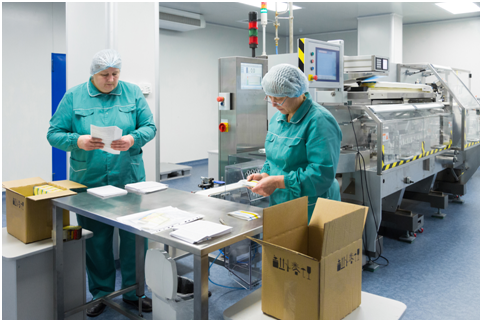
Technical knowledge alone does not guarantee success. Leaders also look for technicians who show strong habits, steady focus, and respect for the pressure that surgeons and nurses face in the operating room. That is why behavior often separates top performers from people who simply go through the motions.
A dependable central service technician arrives prepared, follows checklists, and double-checks trays before they leave the department. That central service technician also speaks up early when counts do not match, instruments seem damaged, or schedules change in ways that affect instrument flow. Clear, calm communication keeps teams aligned and prevents last-minute crises when patient care cannot wait.
Training is necessary for sterile processing technicians. It sets high standards for a skilled trades technician. It allows strong preparation to support both safe outcomes and career advancement over time.
Not every school or course offers the same value, so careful selection really matters. Future technicians should compare schedules, clinical hours, instructor experience, and support for national certification. They should also look for programs that stay current with regulations and equipment used in real facilities.
A well-run sterile processing technician certificate program sets clear expectations about attendance, performance, and professional conduct in labs and clinical sites. That structure prepares learners for the discipline they will need in hospital roles. It also shows employers that graduates have already met standards that mirror workplace demands.
As they advance, many technicians keep building their knowledge through continuing education and updated courses linked to sterile processing technician training. Those ongoing efforts demonstrate commitment and help technicians stay ready for new instruments, systems, and guidelines. In a changing healthcare world, that mindset protects both patient safety and long-term career strength.
People who want to excel over many years in this field must protect both their focus and their energy. They face strict standards, time pressure, and close coordination with operating room teams, so emotional balance matters as much as technical skill. When cases run late, or schedules change suddenly, strong technicians steady themselves, adjust calmly, and return to clear process rather than rushing.
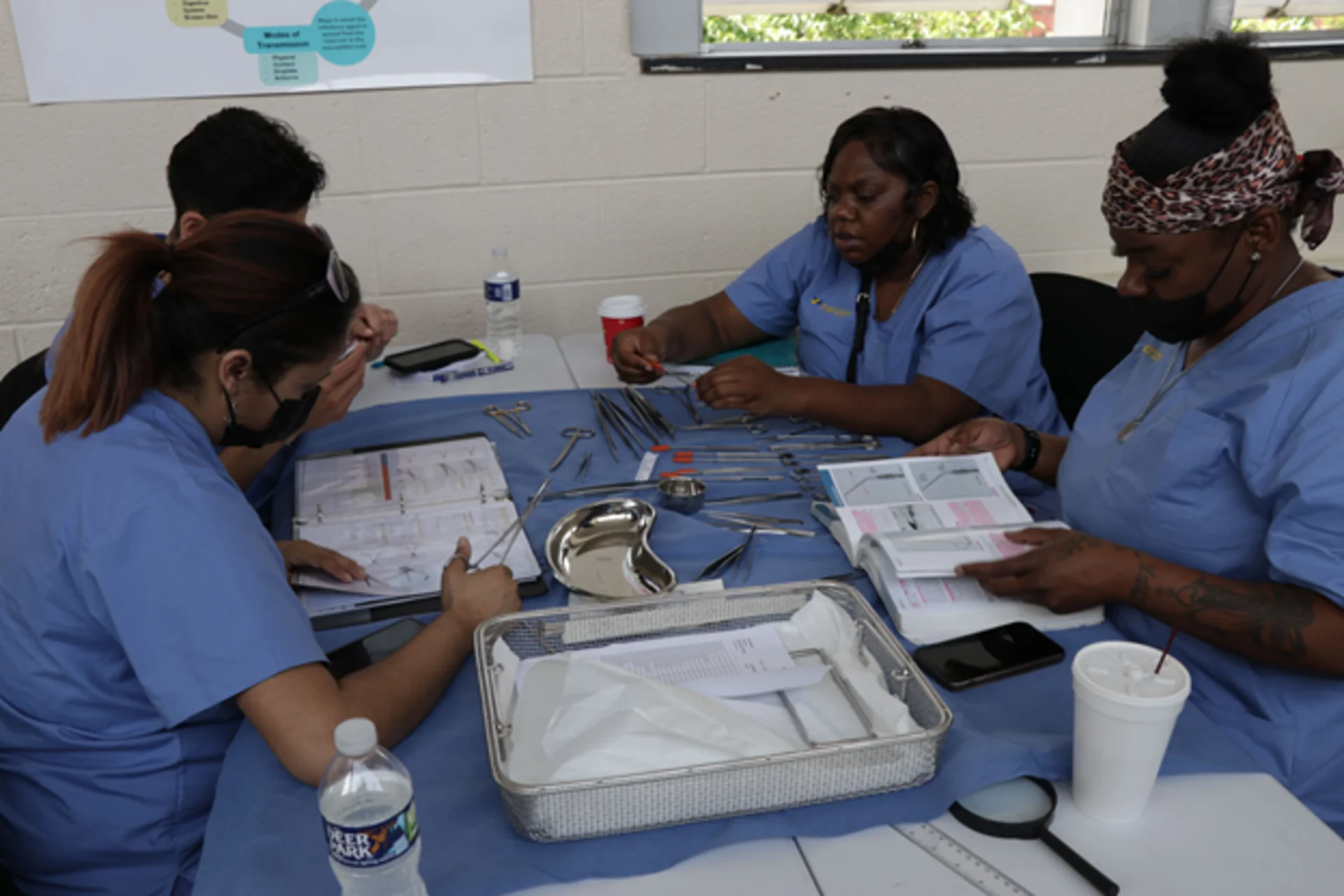
Resilience starts with simple daily habits that support long shifts and careful attention. Many successful technicians build routines around sleep, hydration, and regular movement so they stay alert during long hours on their feet. They also learn to pace their concentration, breaking tasks into clear steps instead of trying to think about the entire workload at once.
Motivation usually grows when people remember the human impact of their work. Every instrument they clean and assemble will help a real person who trusts the medical team with their health and safety. Technicians who picture the patient behind each tray often feel a deeper purpose, which helps them push through fatigue and routine.
Strong communication supports resilience as well. When technicians speak up early about workflow problems, unclear instructions, or equipment issues, they reduce last-minute crises and misunderstandings. Finally, long-term success in this path depends on continuous learning and humility, because instruments, procedures, and regulations keep evolving.
The current numbers and trends show that medical equipment preparers, including sterile processing staff, hold a solid place in modern care. With mean hourly wages nearing 22.79 dollars and broad employment across hospitals and clinics, this path offers real opportunity for steady, meaningful work. People who combine strong training with reliable daily habits can use that foundation to build lasting success in the field.
Read More: