
Career decisions rarely begin with clarity. They usually start with discomfort. College feels long. Office work feels distant. Debt feels heavy before it even exists. Somewhere in that mental clutter, the idea of working with one’s hands begins to feel practical instead of old-fashioned. That is where a Career In Skilled trades enters the conversation.
This path attracts curiosity and doubt in equal measure. Some people see opportunity. Others worry about longevity, income, or respect. Before enrolling anywhere, individuals need to pause and ask better questions, not about trends or opinions, but about fit, effort, and expectations.
This blog focuses on those questions, the uncomfortable ones, the honest ones.
Before committing to a Career In Skilled trades, it helps to understand what the work actually requires. This path asks for consistency more than brilliance. Showing up matters. Learning through repetition matters even more.
Unlike desk-based roles, trades involve physical presence. Bodies move. Tools get heavy. Mistakes become visible fast. That reality filters out people who expect quick comfort.
However, those same demands create pride. Progress feels tangible. Skills grow through effort, not theory. For many, that tradeoff feels fair.
Some people think better while moving. Others need silence and screens. A skilled trades career favors learners who engage physically and visually. Instructions turn into action quickly.
Vocational environments reward patience and adaptability. When something fails, workers troubleshoot rather than escalate. That mindset matters more than test scores.
If hands-on problem-solving feels energizing rather than exhausting, this path aligns naturally. If not, frustration may arrive early.
Traditional education relies heavily on theory. Trade education flips that model. Vocational training programs prioritize demonstration, repetition, and feedback.
Students practice until movements become instinctive. Errors happen often; instructors expect that improvement shows up gradually.
This learning style frustrates people who want instant mastery. It suits those who accept slow confidence-building instead.
Time always influences decisions. Many ask whether trades save time or simply shift it. Skilled trades training usually takes months or a couple of years, not four.
That shorter timeline appeals to adults balancing responsibilities. Faster completion leads to earlier income, which matters. According to the U.S. Bureau of Labor Statistics, many trade occupations rely on steady workforce replacement as experienced workers retire. That reality rewards those who enter prepared rather than rushed.
Trades involve motion, strain, and awareness. Safety protocols exist for a reason. Ignoring them leads to injuries, not warnings.
Still, physical demand does not equal constant exhaustion. Many roles balance effort with precision. Skill often reduces strain over time.
Honesty matters here, bodies handle stress differently. Long-term success depends on respecting limits while building endurance.
People often chase stability without defining it. Some want predictable schedules. Others want predictable income. Trades offer stability differently than office roles.
A skilled trades career often depends on demand cycles, project timelines, and specialization. That structure suits people who prefer consistency over comfort.
BLS data shows continued demand for essential trade roles tied to infrastructure and maintenance. That demand protects employment even when industries shift.
Trade school graduation marks a beginning, not a finish. Certifications expire. Technology evolves. Skills are sharpened through repetition and updates.
Various skilled trades programs emphasize adaptability. Graduates who continue learning advance faster.
Those who stop learning plateau quickly. Curiosity separates long-term earners from stagnant workers.
Money always enters the discussion. Entry-level trade wages cover necessities, not luxuries. Growth arrives with experience, certifications, and specialization.
Skilled trades training creates earning ladders rather than instant rewards. Some people appreciate that honesty.
BLS wage data shows steady growth patterns tied to skill level and industry demand. Patience often pays off.
Office roles sometimes hide impact. Trades expose it. Systems work or fail visibly. That transparency motivates some people and stresses others.
Many trade professionals value seeing the results of their labor. Repairs hold. Structures stand. Systems run.
That daily feedback builds pride and accountability simultaneously.

Mistakes in trades carry consequences. Safety, precision, and attention matter. Responsibility does not get delegated easily.
This expectation strengthens professionalism. It also demands maturity.
Those who embrace responsibility grow quickly. Those who avoid it struggle regardless of skill.
Vocational training programs move faster than traditional education. Concepts turn into tasks quickly. There is little room to drift.
Students who engage actively thrive. Passive learners fall behind.
Understanding personal learning pace prevents frustration later.
Not all skilled trades programs offer the same outcomes. Some focus narrowly. Others provide broader foundations.
Good programs connect training to employment. They align curriculum with industry standards.
Asking about placement support, certifications, and employer relationships reveals program quality quickly.
Despite progress, stigma still exists. Some people misunderstand trade careers. That perception fades with confidence and results.
Respect grows when competence shows. Income stability changes conversations faster than explanations.
Choosing this path requires self-assurance more than approval.
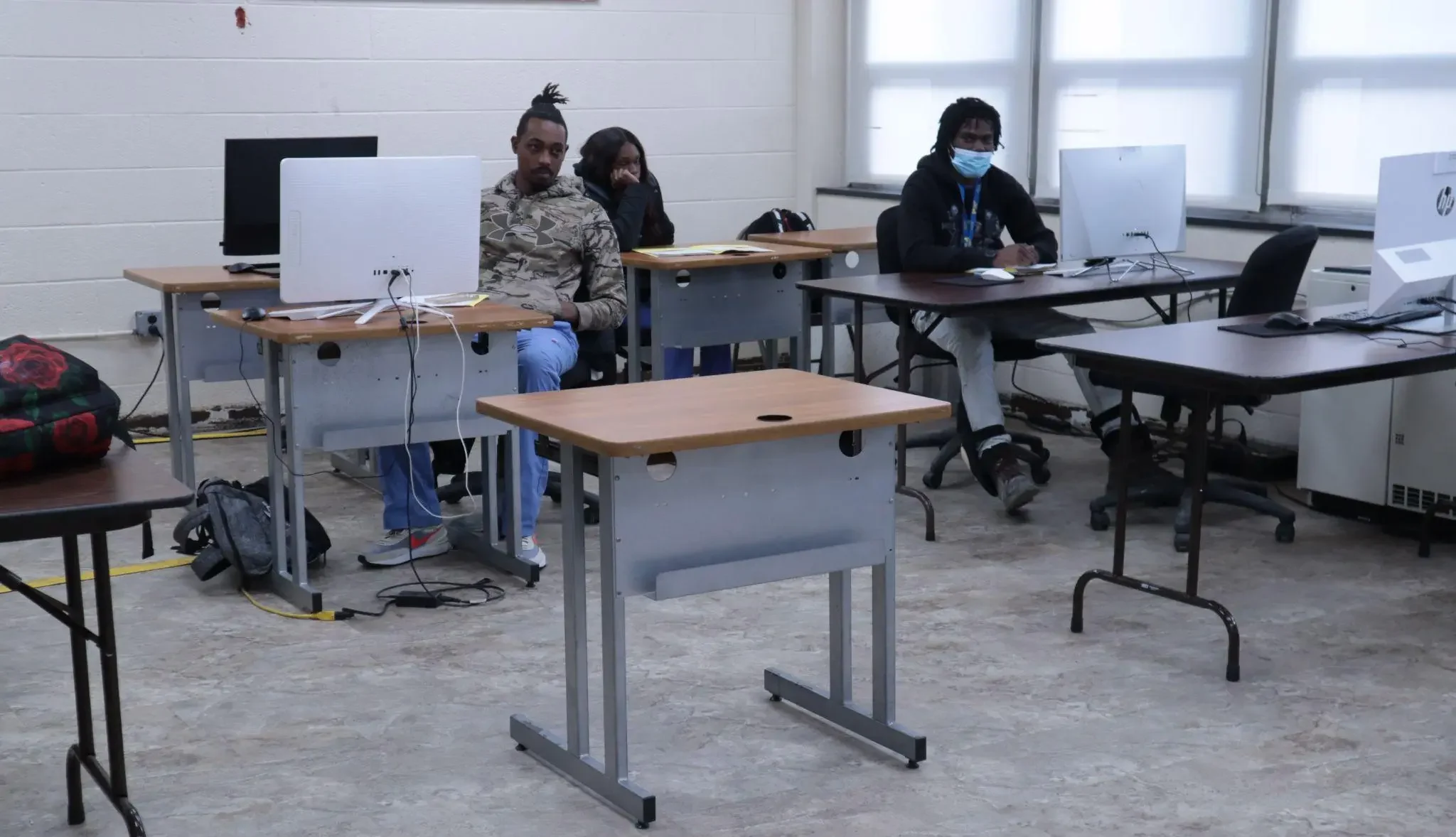
Revisiting the idea of a Career In Skilled trades means thinking beyond the first job. Advancement paths exist. Supervisory roles, inspection positions, and independent work emerge over time.
Many professionals eventually train others. Some start businesses, and flexibility increases with experience. This path rewards those who think long-term. External pressure fades quickly, internal motivation lasts, and trades demand effort even on quiet days. People motivated by skill mastery stay longer. Those chasing trends move on.
Honest motivation predicts persistence better than market hype.
Pursuing a Career In Skilled trades requires self-awareness more than certainty. Asking honest questions clarifies fit faster than outside opinions. Understanding learning style, physical comfort, and growth expectations shapes better decisions. Trades reward effort, discipline, and adaptability.
For those aligned with its demands, this career path offers stability, pride, and tangible value. For others, it provides clarity about what to avoid. The answers matter more than the choice itself.
Read More :