
In welding, precision is everything, and understanding the different types of welding is where it all begins. Each type of welding method demands its own technique, equipment, and discipline to shape how structures, machines, and pipelines come to life. Moreover, welding isn’t just about joining metal; it’s about building strength, stability, and endurance into the world around us.
From skyscrapers that define skylines to pipelines flowing silently underground, from aeroplanes soaring across continents to ships enduring the toughest seas, welders are the hands behind it all.
But entering the world of welding isn’t as simple as picking up a torch. The industry is vast, with many types of welding, certifications, and specialisations to choose from. Without clear direction, it’s easy to feel lost or remain stuck in lower-paying positions for years.
Those who rise above invest in advanced training, refine their techniques, and specialise with purpose. For them, welding evolves from a trade into a high-paying trade job, a skilled career built on precision and ambition.
It’s always wise to get a feel for the trade before committing, and welding is no exception. Every specialisation has its own story, and every technique creates a new opportunity.
With so many types of welding and certifications available, it’s easy to feel lost. Many welders learn through trial and error, spending years trying to advance. But with the right training and guidance, those years can turn into a faster path toward expertise, confidence, and higher-paying opportunities.
Now, here are some of the most lucrative areas in the welding industry: specialised fields like pipe welding, aerospace welding, and welding in underwater, where precision, expertise, and high-risk conditions bring exceptional rewards.
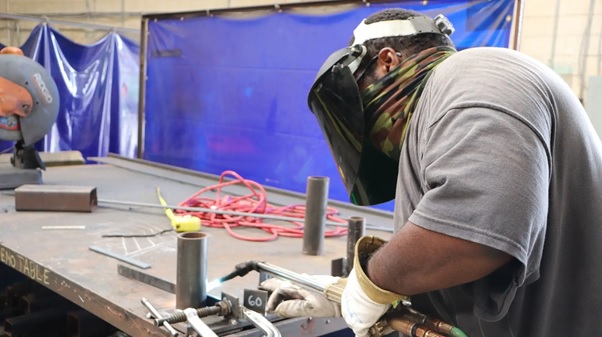
Pipelines carry more than just oil and gas; they have immense responsibility. And that makes pipe welders, the guardians of that flow, skilled in TIG and MIG welding, metallurgy, and blueprint reading. Here, every weld matters, and every joint holds the weight of precision and safety.
Those who specialise in pipe welding gain hands-on experience through rigorous coursework and real-world industrial challenges, preparing them for high-stakes projects where accuracy is everything.
And the rewards are substantial. Beyond solid base pay, many earn overtime, project bonuses, and travel allowances, all reflecting the value of their expertise. In Philadelphia, pipeline welders earn an average of about $34 per hour, or more than $72,000 per year — a figure well above the national average. It’s living proof that skill pays, precision pays, and specialisation truly pays.

Aerospace welding is the ultimate test of precision, patience, and performance. Every weld on an aircraft or spacecraft must withstand extreme pressure, temperature, and vibration; there’s zero margin for error. A single flaw in a weld could mean structural failure, millions in losses, or even lives at risk. That’s why aerospace welders are among the most skilled and trusted professionals in the industry.
Becoming one requires extensive training through advanced aerospace welding programs. Welders must master TIG welding for lightweight metals like aluminium and titanium, learn to read complex blueprints, and follow exacting (Federal Aviation Administration) FAA-level safety protocols.
Furthermore, aerospace welders earn an average of $83,000 and above, with top-tier professionals in aviation and space manufacturing earning far more.
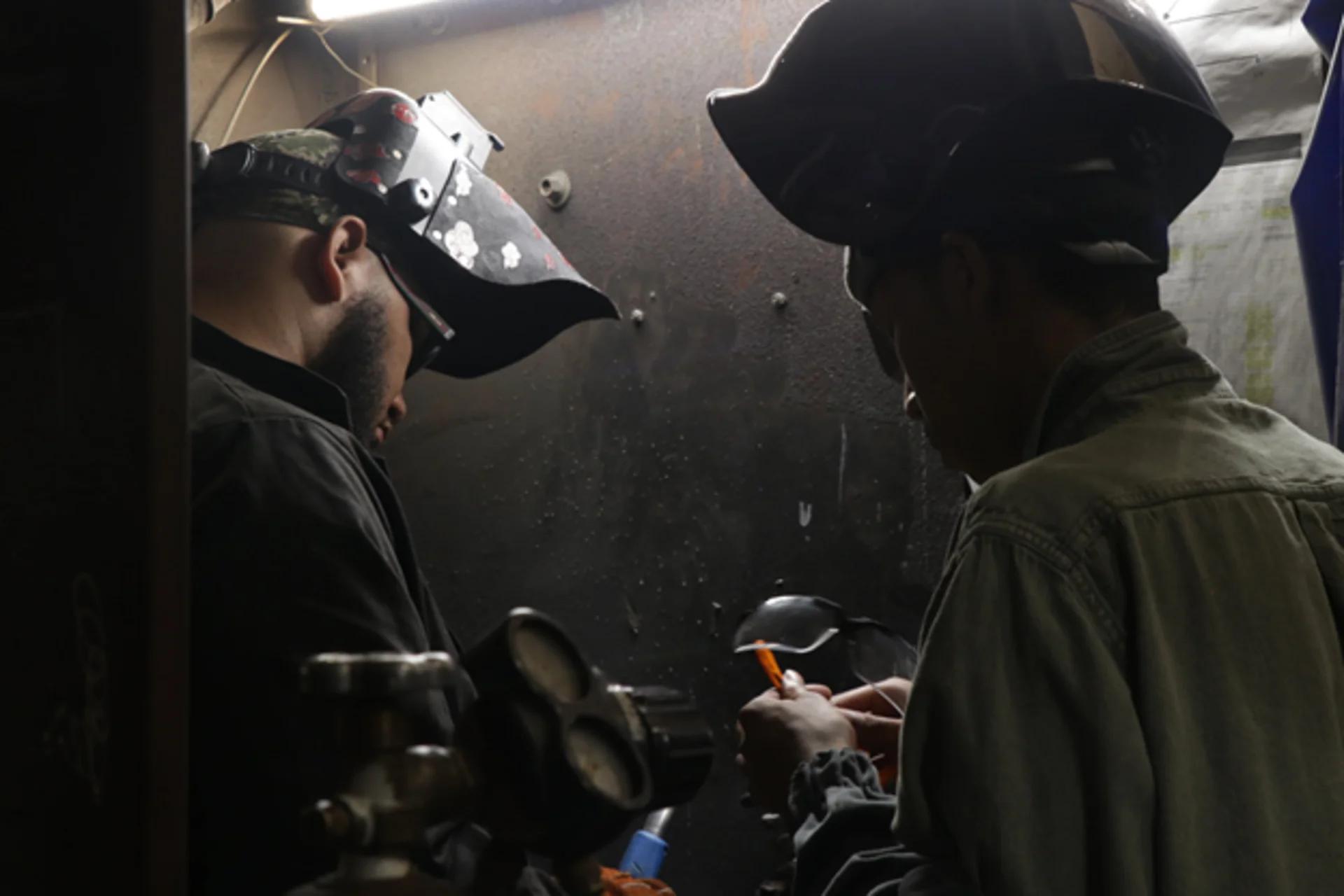
Imagine being hundreds of feet below the surface; it’s cold, dark, and the pressure is immense. A pipeline needs repair, and a structure is failing. Every movement counts, and one wrong step could mean disaster. It’s dangerous, intense, and undeniably thrilling, but also one of the most rewarding paths in the welding world.
The advanced training programs offer high-tech underwater welding certifications in Philadelphia, giving welders hands-on experience, safety expertise, and the confidence to take on projects that few ever attempt.
The payoff matches the risk. Underwater welders earn around $101,462 annually, roughly $49 an hour, with project-based roles, global travel, and opportunities that constantly evolve. It’s not a static job; it’s a dynamic career built on skill, bravery, and precision.
The truth is, even skilled welders can struggle early on, with low pay, unclear certifications, and limited technical training holding them back.
That’s where specialised welding training programs make all the difference:
In the end, completing a high-tech welding certification program in Philadelphia can help welders move from general construction to pipe, aerospace, or underwater specialisations, boosting earnings by 40–60%.
As we know now, welding is a craft, a challenge and a fruitful career. Then specialisation unlocks the highest pay—pipe, aerospace, and underwater. Understanding the types of welding and committing to structured welding training or welding programs eventually turns confusion into success.
Enrolling in high-tech welding certification programs in Philadelphia provides tools, experience and reliability to make that hiring process smoother.
With the proper training, your talent can lead to a secure, respected, and financially rewarding career. Just embrace the sparks, love the craft, and build a legacy that stands firm, inspires others, and truly lasts.
Read more: