
Want to know how to become a steamfitter in Pennsylvania quickly? You’re in the right place. This trade offers steady pay, real job security, and a much faster path than a traditional degree. However, most people don’t realize how quickly they can actually get started. Below, we break down the 5 fastest steps to launch your steamfitting career in PA.Whether you are just starting or changing careers, these five steps can help you become a steamfitter in Pennsylvania.
Pennsylvania has strong demand for skilled trades, especially in construction and industrial sectors. Steamfitters install and maintain high-pressure piping systems used in heating, cooling, and industrial operations. Additionally, these systems exist in hospitals, schools, factories, and office buildings across the state. The sprinklers are also installed in various amusement parks and gardens. Setting up all of these requires a strong demand for technicians in the state.
Here’s why this career makes sense right now:
The demand is always high across construction and industrial projects
Shorter training time compared to a four-year degree, like quick training along with certification
Strong earning potential as experience builds; job security increases as the industry prefers experienced workers
Skills that transfer across HVAC, pipefitting, and plumbing work
Therefore, Pennsylvania offers a solid environment to start and grow a steamfitting career.
Before jumping in, start by earning your high school diploma or GED, as it provides the foundation for technical training. Next, enroll in a reputable pipefitter training program Pennsylvania employers recognize; it helps to know what the job really involves. Steamfitter training covers installing, testing, and repairing pipe systems that carry steam, water, and other fluids under pressure. Moreover, safety training is a major part of the job, since these systems operate under intense pressure and heat. List Down Your Basic Requirements. You do not need prior construction experience to get started. However, you must meet a few baseline requirements before applying to any training program. First, secure your high school diploma or GED certificate.
A steamfitter’s daily tasks typically include:
Reading blueprints and piping schematics, the layout of the piping system
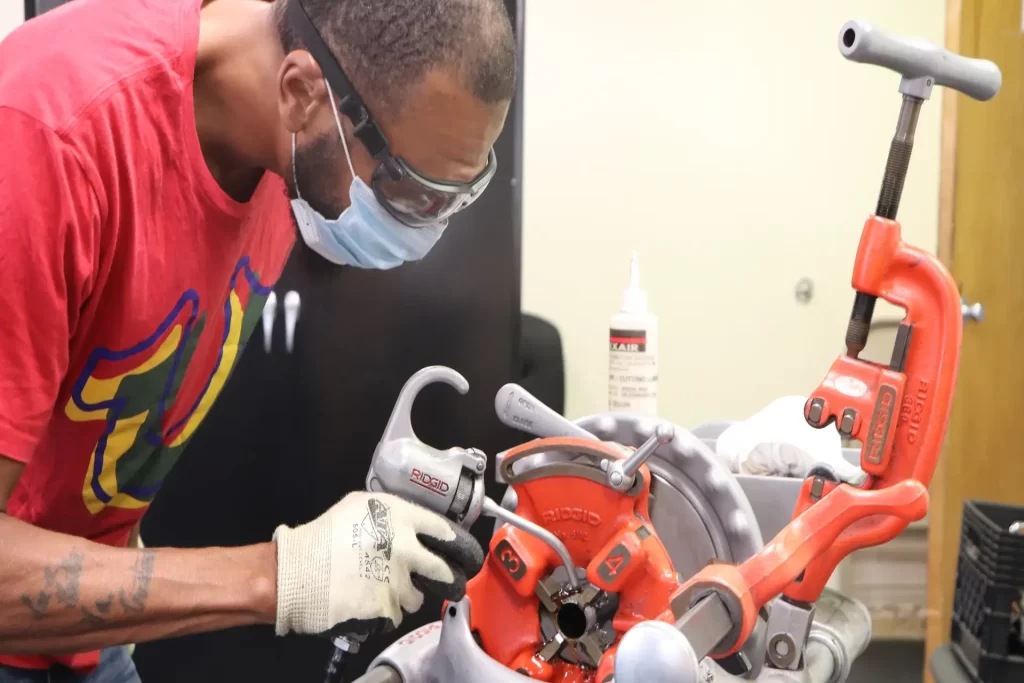
Cutting, threading, and welding pipe sections
Testing systems for leaks and pressure issues, and understanding the building layout and drainage system as well.Following strict safety protocols on job sites
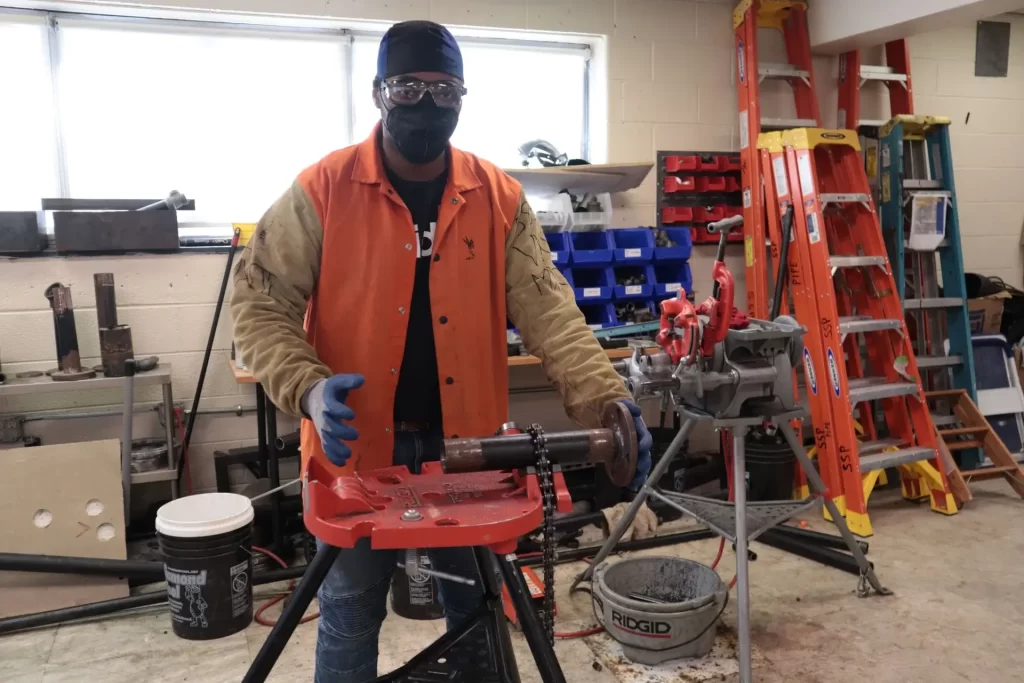
This is where things move fast. t the same time, consider expanding your qualifications with a Sprinkler training program. This additional certification can increase your job opportunities A focused steam and pipefitting training program teaches core skills in months, not years. Additionally, hands-on lab work matters far more here than sitting through long lectures. Understand the basic difference between Pipefitter vs Steamfitter Work & Prep Your Math. if you are interested in maths, layout, you must understand the basics. Before jumping into applications, let’s clear up a common question regarding pipefitter vs steamfitter work. People often mix up these titles or use them interchangeably. Quick Distinction: A pipefitter typically works on low-pressure piping systems that carry water, oil, or fuel.
| Pipefitter Work | Steamfitter Work |
|---|---|
| Low-pressure liquids | High-pressure steam |
| Heating & cooling loops | Process chemical lines |
| Water treatment lines | Power plant systems |
The layout and mapping will guide the proper setup of sprinkler and drainage systems across residential buildings. Moreover, about 45% is hands-on pipe installation, 30% is welding and joining techniques, and 25% is safety and blueprint reading. That’s roughly how training time breaks down in a strong program.This certification sprinkler training program can increase your job opportunities because many commercial and industrial projects require professionals who understand fire protection systems.
Overall, this vocational training program strikes a balance between hands-on and technical training to get you job-ready fast. The institute not only provides the best techniques but also helps students get hired faster.The steamfitter salary PA continues to attract new workers because experienced professionals often earn competitive wages, excellent benefits, and steady employment.
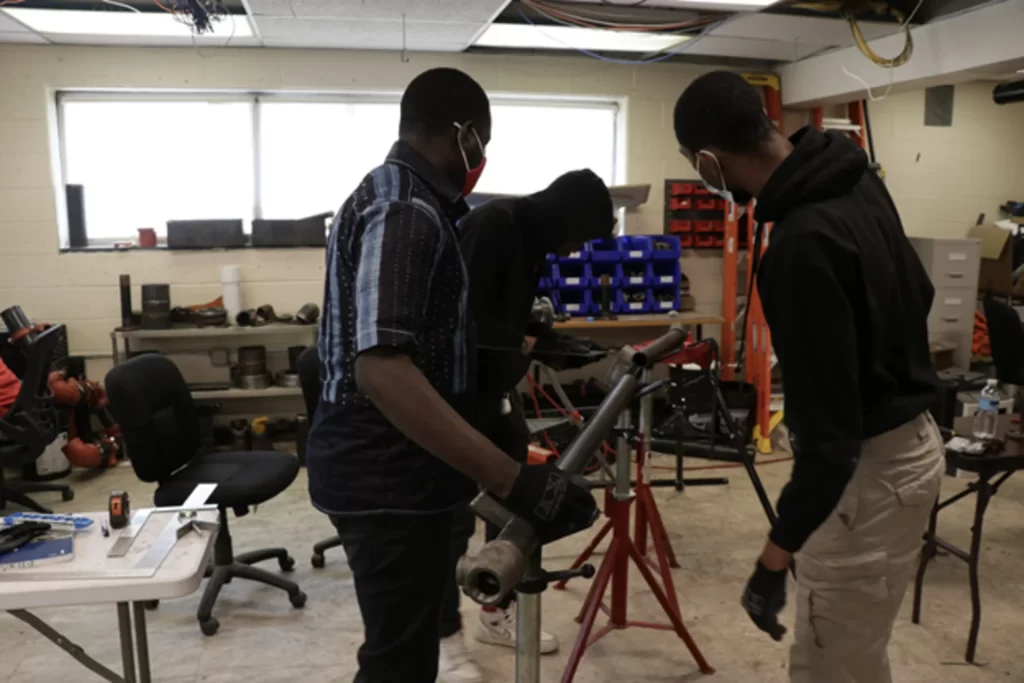
Once you enroll for pipe fitter training program in Pennsylvania, hands-on instruction allows you to learn pipe installation, blueprint reading, welding basics, safety procedures, and system maintenance while building confidence on real equipment. However, after completing pipefitter training, students will come to realize that real, demonstrable skills matter more than theory. Therefore, take note of the hands-on projects completed during your program. Employers want proof you can handle real piping systems, not just classroom theory.
Apply for a Union Steamfitter Apprenticeship PA Program. The smartest way to build your career is through a union steamfitter apprenticeship program in PA. In the Philly area, Steamfitters Local 420 sets the gold standard for industry training. In Western PA, Local 449 runs top-tier technology centers. Applying for a steamfitter apprenticeship PA program usually involves three straightforward phases:
Submit Your Application: Fill out the forms during open enrollment periods and pay a small processing fee (typically $30- $50).Aptitude Testing: Take a written exam testing reading comprehension, spatial reasoning, and practical math skills.In-Person Interview: Sit down with union contractors and representatives.
Here’s what typically strengthens your standing as a new steamfitter:
Completing hands-on lab hours during training
Learning welding basics, since many steamfitting jobs overlap with pipefitting, but as a pipefitter, you must know
Practicing safety procedures until they’re second nature
Building a small portfolio of completed training projects
Don’t wait until graduation to start job hunting. Many training programs, including PTTI’s, offer job placement help before your program even ends. Therefore, start reaching out to employers and checking openings early. Earn While You Learn on the Job. The biggest advantage of this career path is simple: zero student debt. College students pay thousands to sit in class, whereas union apprentices get paid from day one.
According to the U.S. Bureau of Labor Statistics, employment for plumbers. The last step in becoming a sprinkler and pipe fitter is that. If you like to get hired quickly, then PTTI is the best option for this program. Not only hiring but career guidance, also with a duration of months, not 4years .
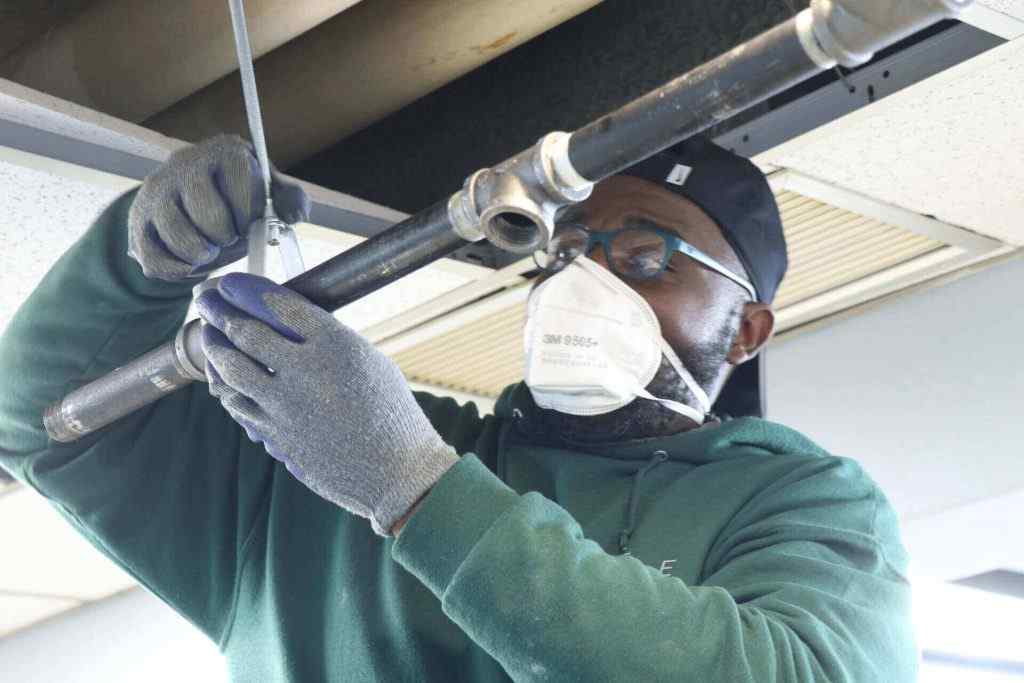
Philadelphia Technician Training Institute (PTTI) offers a Steam/Sprinkler/Pipefitting program built for speed and real skill-builarnings Comparison TableMetricTraditional 4-Year CollegeUnion Steamfitter ApprenticeshipAverage Student Loan Debt$35,000+$0Starting Income$0 (paying tuition)$33,000 – $45,000 / yearYear 5 Income PotentialEntry-level degree salary$68,000 – $95,000+ / yearHealth & Retirement BenefitsRarely included during schoolFull health insurance & pension. The program runs about 26 weeks, meaning you can be job-ready in well under a year.
Here’s how enrollment works if you are seeking for admission Must follow these steps: Reach out to an admissions advisor. Discuss financial aid, including FAFSA (school code: 042213) .Tour the training facility and see the equipment first and foremost .Enroll in a schedule that fits your daily chores. Start training and begin building real, hireable skills
PTTI has a placement rate of nearly 92%, meaning most graduates land jobs in the desired field. Once you land a solid steamfitter salary in PA, project management, or even start your own mechanical contracting/pipefitting firm, you can also hire people. Final Thoughts: You don’t need a four-year college degree to build a lasting, high-paying career. If you are ready to work hard with your hands and mind, learning how to become a steamfitter in Pennsylvania offers rapid financial growth, solid benefits, and genuine pride in your work. Take control of your future, locate your nearest local union hall or training program, and get your application ready today.
The pipefitter daily pay, along with salary, grows steadily as steamfitters gain experience. Here’s a general breakdown:
Moreover, Pennsylvania’s steady construction and industrial activity, especially the demand, is always high, whether it’s summer or winter. In summer, sprinkler and pipe installations increase significantly. In winter, due to snow and extreme weather, the risk of freezing is high; therefore, demand will always be very high, which means consistent job openings for trained steamfitters. Overall, this trade offers a realistic, fast-moving path to solid pay.
Note: These figures are general estimates — worth verifying against current BLS or state labor data before publishing.
Learning how to become a steamfitter in Pennsylvania doesn’t have to take years. However, it does require picking the right training program and committing to hands-on learning. Between short training time, strong demand, and solid pay, this career path makes real sense for anyone ready to work with their hands. Overall, these 5 steps offer a clear, fast route into a stable, well-paying trade.f you are ready to work with your hands and solve real-world challenges, now is the perfect time to begin your path toward becoming a skilled steamfitter in Pennsylvania.
Ready to get started? Contact PTTI at 215-381-9403 or info@ptt.edu to speak with an advisor.
Read More