Heating Ventilation And Air Conditioning Program

Heating,Ventilation and Air Conditioning Program

flipbook

Start Your Career as an HVAC Technician in Just 8 months.

Heating, ventilation, and air conditioning systems are among the most important technologies in residential and commercial environments, improving indoor environments and enabling modern living in a safe and comfortable way. The HVAC Certification program is an in-demand skilled trade program that every professional in the country needs right now. PTTI’s HVAC Certification Program is built to get you certified, skilled, and hired in as little as 8 months. Student will gain a thorough understanding of workplace safety, personal protective equipment, safe work practices, and the tools and supplies used every day in the field. They will also be taught about refrigeration fundamentals, in order to handle jobs that require safe and precise refrigerant service in compliance with EPA standards.

According to the Bureau of Labor Statistics, employment of HVACR technicians is in high demand, and the industry is expected to grow steadily in the coming decade, offering excellent opportunities for a career in HVAC installation. Philadelphia Technician Training Institute offers comprehensive training and residential execution, which is required by every homeowner in the USA due to the severe weather.

Whether you’re fresh out of high school or looking to switch careers, this is one of the most reliable, well-paying skilled trades jobs you can get into. The mentors and alumni are here to help you do it right, from enrollment to job placement.

What Can You Expect From Our Program?

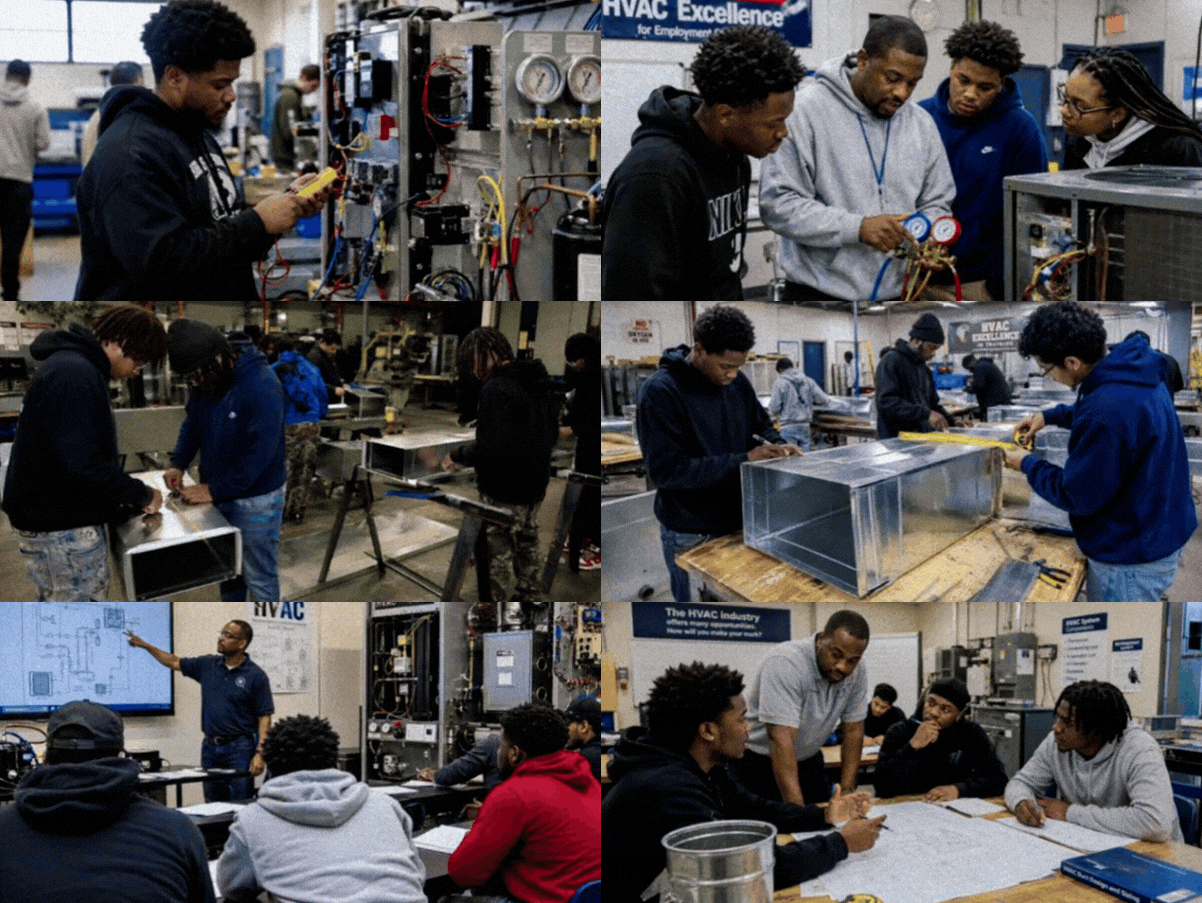
  • Real hands-on experience with industry-standard equipment-
    Support every step of the way — from enrollment to job placement
  • Reputable HVAC certifications recognized by employers
  • Connections with local HVAC companies actively hiring graduates

From Our Program, You Will Learn

Safety and Introduction to HVAC Systems
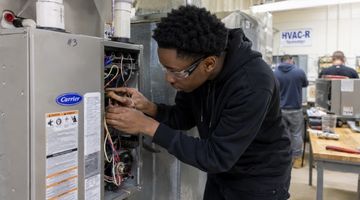
In these HVAC classes, students will learn how HVAC systems work from the inside out in a residential unit. This course will also brief you about understanding how heating, cooling, and ventilation components is to be connected and wired to keep buildings safe and energy-efficient. From furnaces to heat pumps, leading to central air units with all ventilation setups. Refrigerant handling, electrical wiring, thermostat configuration, and airflow balancing are all part of what you’ll get hands-on experience with throughout the course.
Heating Systems
Students begin their HVAC course with essential safety training, learn how to handle refrigerants, work with electrical systems safely, and are also trained to handle equipment in harsh climatic conditions. In this training program, students will explore the three core heating technologies used in residential and commercial properties: furnaces, boilers, and heat pumps. The Installation and safety checks for these technologies are taught using all applicable protocols. You’ll get hands-on time with real equipment so the learning actually sticks when you’re out in the field.
Cooling Systems — Central Air & Refrigeration Basics
When summer hits the Tri-State area, HVAC technicians become among the most called-upon professionals in the state. This HVAC certification Program leads students through basic refrigeration and conditioning, reflecting how cycles work. In these HVAC training classes, you’ll learn how refrigerants move heat out of a space, how to check system pressures, and how to diagnose cooling problems that homeowners and building managers deal with every season. It’s one of the most hands-on parts of the program, and by the end, you’ll understand cooling systems the way only trained technicians do.
Electrical Fundamentals for HVAC
The HVAC Classes give students a solid foundation in the electrical side of HVAC work, covering circuits, voltage, amperage, and the controls that tell a system when to turn on and off. Understanding how a building stays heated in winter and cooler in winter is one of the most valuable skills an HVAC technician can have. Because of the inclement weather and environmental changes, these systems need help to maintain the correct temperature.
Ventilation and Indoor Air Quality: HVAC certification
covers how ventilation systems bring in fresh air, remove stale air, and maintain the balance that keeps indoor environments healthy and comfortable. Students will learn about ductwork design, airflow measurement, and filtration systems. Everybody believes in breathing in fresh air, whether indoors or out. Indoor air quality is becoming an increasing priority for homeowners, schools, and businesses. HVAC technicians understand that this side of the HVAC system adds valuable knowledge.
EPA 608 Certification Exam Preparation
In this industry, the EPA 608 certification isn’t optional; it’s a federal requirement every technician must have before legally handling refrigerants. This module is dedicated entirely to making sure every PTTI student walks into that exam prepared and walks out certified. You’ll cover all four sections of the exam — Core, Type I, Type II, and Type III. By the time you’re in the program, what you’ve learned, you’ll already have the confidence to work with employers alongside experienced technicians on real systems.

Financing for the Heating, ventilation and air conditioning Program may be available through grants, loans (federal and private), and institutional financing plans. Grants and Financial Aid are available to all eligible students.

Complete our fast-track Heating,Ventilation and air conditioning Program, and be ready for the manufacturing industry to absorb you. Let’s connect to discuss how Philadelphia Technician Training Institute can help shape your future.

pipefitting

We also follow OSHA standards that every employer expects. From there, the program moves into core HVAC systems, giving students a solid understanding of both heating and cooling equipment.

Once a student reaches approximately 900 hours, PTTI’s Career Services team steps in to help with the full job-readiness package — resume writing, interview coaching, career identification, and more

Talk to an Admissions Representative at 215-381-9403 or send an email at info@ptt.edu or chat with us now.

Campus Service

Professional Development
Once the student reaches approximately 900 hours, Philadelphia Technician Training Institute’s Career Services department gets them ready for their career with professional development classes. Resume writing, career identification, interview coaching, financial management, and more are part of the course! Professional Development classes help you become a competitive job applicant with strong professional skills to accelerate you into your career.
Resume Building
Philadelphia Technician Training Institute’s curriculum includes various projects and certification opportunities and offers valuable internships and externships to build your resume or portfolio. In addition, our career services department helps students develop a marketable and professional resume, custom fit to the student’s desired industry. You will learn how to market yourself and communicate your strengths to companies to get the career you deserve.
Financial Aid Is Available
Many students are surprised how fast they finish the financial aid process with guidance from our team of counselors! Philadelphia Technician Training Institute’s Financial Aid team will help you through each step of the process, from creating an account, entrance counseling, and setting up a plan to pay off any loans or payments. Even after graduation, Philadelphia Technician Training Institute’s financial aid team is here to help you find the best solutions for ensuring your successful career. We want to see you get hired, not just graduate.
Flexible Class Schedule
By collaborating with Philadelphia Technician Training Institute’s Admissions department, our staff will help prospective students enroll in flexible class schedules to fit their current plans. Morning classes occur from 8:00 a.m. to 3:00 p.m., and evening classes run from 3:00 p.m. – 10 p.m.


YouTube Video

From our Students/Alumni

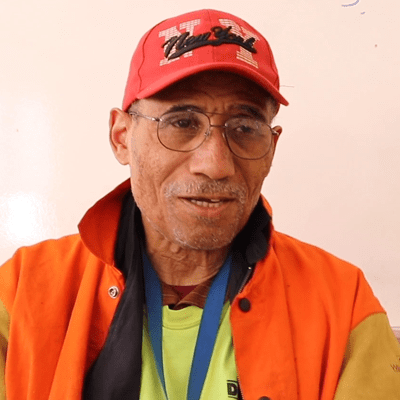
Robert

Robert

Nathaniel Williams

Nathaniel Williams

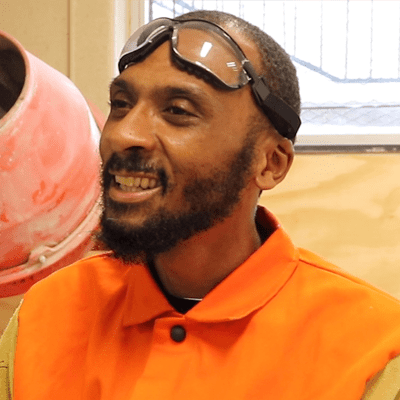
Christopher

Christopher

Course FAQ’s

How much will this program cost me?

The total cost of the HVAC Certification Program at PTTI is $18,200, which includes tuition and fees of $18,038, a $150 registration fee, and a $12 insurance fee. Books and supplies are included at no additional cost. For a full breakdown of program costs, visit our Costs & Net Price page

What financing options are available to help me pay for this program?

Financing for the HVAC Certification Program may be available through grants, scholarships, federal and private loans, and institutional financing plans. The median amount of debt for program graduates is:
Federal loans: *
Private education loans: *
Institutional financing plan: *
We withheld the median amounts to preserve the confidentiality of graduates.

How long will it take me to complete this program?

The HVAC Certification Program is designed to be completed in just 26 weeks — that’s less than 8 months. It’s a fast-track program built for people who want to get trained, get certified, and get hired without spending years in a classroom.

What are my chances of getting a job when I graduate?

Strong. The job placement rate for students who complete skilled trades programs at Philadelphia Technician Training Institute is 92%. Our Career Services team begins supporting you around the 700-hour mark with resume building, interview coaching, career identification, and direct connections to local HVAC companies that are actively hiring.

Have been out of school for a long time. Will I face any trouble?

Not at all, The HVAC Certification Program isn’t structured like a traditional college course. About 80% of the curriculum is hands-on, using the most current industry equipment and technology. Whether you learn best in a classroom, through an online format, or directly with an instructor, PTTI’s flexible learning approach helps you get up to speed quickly. Many of our students come in after years away from school and complete the program right on schedule

What certifications will I earn from this program?

The program prepares you for the EPA 608 Certification, which is a federal requirement for any technician who legally handles refrigerants. You’ll cover all four sections of the exam Core, Type I, Type II, and Type III , so you walk out of the program exam-ready and employer-ready.

What class schedule options are available?

PTTI offers flexible scheduling to fit your life. Morning classes run from 8:00 a.m. to 3:00 p.m., and evening classes are available from 3:00 p.m. to 10:00 p.m. Our admissions team will work with you to find a schedule that fits your current commitments.

How do I enroll or get more information?

You can reach our Admissions team by calling 215-381-9403, emailing info@ptt.edu, or using the live chat on our website. An admissions representative will walk you through everything — program details, financial aid options, scheduling, and next steps to get started.

     
SCHEDULE YOUR APPOINTMENT