
With the continuous changes in healthcare systems, fields such as sterile processing are also advancing. Hospitals and surgical centres rely heavily on the effective role of sterilisation, and as such, the need for well-trained technicians is increasing. Sterile processing technician training in philadelphia prepares students to work with advanced sterilization technologies while building the practical skills required in today’s healthcare facilities. Traditionally, sterile processing training would focus on cleaning procedures.
Currently, there is a distinct shift towards more sophisticated automated systems and advanced sterilisation technologies. For technicians in training, a grasp of contemporary practices, as well as an understanding of modernisation, is essential. In fact, candidates enrolling in sterile processing training programs will take on a blend of manual and automated work in the future.
Nowadays, hospitals acknowledge that sterile processing units are critical as epicentres of patient safety. As a result, the responsibilities of a central service technician or central sterile technician have gained more recognition and importance across the interprofessional field.
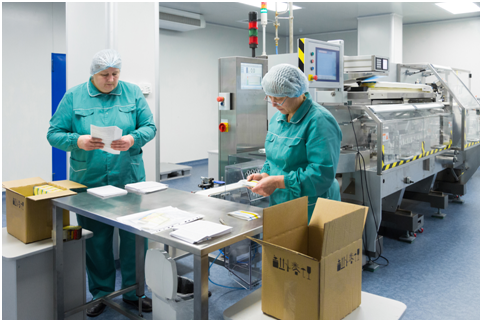
The transformation automation and robotics have offered in the sterile processing industry is immense. Instruments today are tracked and cleaned using advanced robotics. This improves the overall speed and consistency. A quality sterile processing technician program teaches students how to operate automated sterilization systems, instrument tracking software, and modern medical equipment used in hospitals. The impact this shift has on errors, procession, and patient safety is undeniable.
Sterile service technicians pursuing a sterile processing technician certificate are trained on automated systems to ensure no gaps in their understanding of the technology. Since automation minimizes errors that humans often make, it allows the technicians to shift attention and time to inspection and quality control.
In addition to tracking, technicians today are also responsible for managing any software that tracks the sterilisation cycle. Therefore, enrolling in a modern sterile processing training program allows students to have practical exposure to innovations.
To keep pace with automation and new innovations happening in the sterile processing industry, sterile processing technician training programs need to change. The traditional format of teaching in training has become redundant. Students attending sterile processing classes in philadelphia gain valuable hands-on experience with the latest sterilization technologies before entering the workforce.
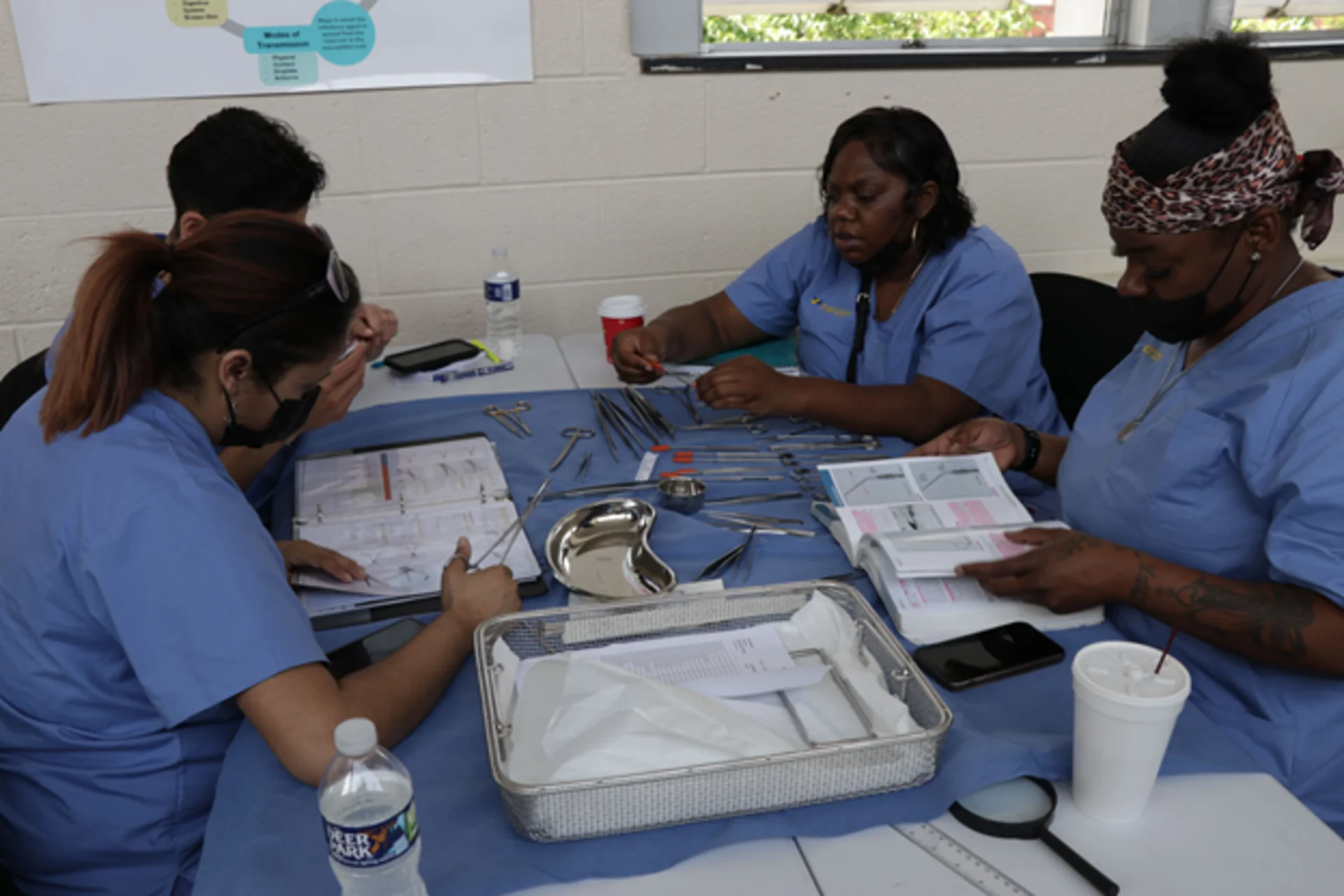
Exposure to simulated labs, hands-on learning, automated sterilisers, and the relevant software is now an absolute necessity. For students looking up ‘sterile processing technician certificate program near me,’ reputable sterile processing technician training programs come with practical labs and up-to-date industry technology.
Pennsylvania Trade and Technical Institute (PTTI) trains its students on both traditional as well as contemporary techniques. The thorough courses here include fundamental processes as well as specialised sterilisation. Choosing a sterile processing technician school that offers simulation labs and industry-standard equipment helps students transition confidently into healthcare careers.
The Bureau of Labour Statistics forecasts analytics on the job market for healthcare support positions, estimating that demand for these roles will keep growing. This is indeed true of the job market for sterile processing technicians.
Such positions are in demand, particularly because of a rise in the number of surgeries. Also, completion of these programs increases the chances of getting hired for these positions, which is a plus. PTTI also prepares students for central sterile processing certification, helping graduates meet employer expectations and strengthen their job opportunities.
Moreover, due to the fast-evolving nature of the industry, there are a number of new positions developing that are available for industry veterans.
Skilled technicians are required to maintain their competencies to grow in ways that enable them to even qualify for the roles of supervisory, training, and even departmental management positions. By completing their education, they manage to not only make themselves more employable but also help contribute to a better healthcare system.
PTTI’s Sterile and Central Processing Program helps students with career placement and transitions, which is a significant bonus.
Certification does a good job of demonstrating a professional’s skills in a specific healthcare field, as the medical field usually does. Graduates of sterile processing technician training in philadelphia are prepared for employment opportunities in hospitals, surgical centers, outpatient clinics, and specialty healthcare facilities.
Having gone through the program and obtained the required certification, graduates have undergone the necessary hurdles and are more than prepared to embrace the challenges they will face.
In addition, certified professionals are much more trusted in the healthcare field because they help eliminate risks for errors that a healthcare setting faces. In addition, through appropriate internship placements, qualified graduates are always ready for adaptation.
To help prepare appropriately for the industry, students wishing to pursue a career as central service or central sterile technicians must ensure they enrol in accredited programs, as they provide the best value. Completing central sterile processing certification demonstrates technical competency and increases confidence among employers looking for qualified sterile processing professionals.
A good sterile processing training program will always give the students the confidence to face the workforce and offer the opportunity for practical placements with theoretical lessons.
The challenges that come with automation cannot be overlooked, despite its advantages. Technicians in any field, for example, have to adapt their skills to new technology. This profession demands lifelong learning. Modern sterile processing technician programs continue to evolve, ensuring students stay current with new technologies, safety standards, and healthcare regulations.
Those who pursue training and certification remain in demand. This makes it beneficial for healthcare facilities too, as they enjoy enhanced safety and operational efficiency.
Specialised sterile processing training programs are available to assist students in acquiring the necessary skills. Attending PTTI and similar schools helps students gain exposure to essential training.
The focus should be on traditional teaching aligned well with the modern innovations and technologies to yield the best results. Enrolling in sterile processing classes in philadelphia gives students the opportunity to develop job-ready skills through classroom instruction, laboratory practice, and practical training.
Technology and automation are the defining factors of sterile processing’s future, as are its new and evolving functions. Technicians in training need to be open to these changes. Current programs integrate traditional methods of sterilisation with robotics, software systems, and other modern technologies.
The students who complete these programs will be more prepared for careers that will help patients and aid in surgeries. Consequently, anyone taking up this profession should have comprehensive training in sterile processing to enjoy a satisfying and sustainable career.
Read More :