
Understanding the pros and cons of trade school helps you make the right decision for your future career path. Trade school vs. college can be a tough choice in 2026. Most people wonder if a trade school is even worth it. Does a trade school deliver real value in today’s competitive job market? You need clear answers before investing your time, money, and energy into any educational pathway. This guide examines the significant advantages and disadvantages, with honest data from real graduates, while outlining the key benefits of trade school training.
Trade school programs finish much faster than traditional four-year college degree programs nationwide. Most certificate programs require only six to twelve months of focused study time.
Meanwhile, college students spend four full years attending classes before entering the workforce officially. Trade school students start earning money three to four years before college graduates. Additionally, you avoid wasting time on general education courses unrelated to your career goals.
When comparing trade school vs college, costs differ dramatically. Trade school costs significantly less than traditional four-year university degree programs everywhere. Annual tuition at trade schools ranges from $8,000 to $18,000 nationwide.
Four-year colleges charge $20,000 to $40,000 per year at public state universities. Private universities demand $40,000 to $60,000 annually for tuition and fees alone. Consequently, college graduates carry $30,000 to $50,000 in student loan debt, typically. The National Center for Education Statistics (NCES) reports that average college tuition and fees continue to rise faster than inflation.
Trade school graduates finish with minimal debt, compared to university graduates who carry loans. Most students borrow less than $10,000 for their complete trade school education. Therefore, you start your career without crushing monthly loan payments, eating paychecks. These significant benefits of trade school make it a strong alternative for budget-conscious learners in 2026.
Trade school vs college debates often highlight this significant difference—trade schools focus entirely on hands-on skills employers need from workers immediately. Trade schools focus entirely on hands-on skills employers need from workers immediately. PTTI emphasizes 80 percent hands-on training across all its program offerings, showcasing practical trade school advantages and disadvantages that impact career readiness directly. Students work with real equipment, actual tools, and authentic job simulations daily.
You don’t waste time studying philosophy, literature, or subjects unrelated to careers. Every single class directly prepares you for specific job duties and responsibilities. Moreover, instructors bring years of real-world trade experience into every lesson taught.
Trade school students complete training and start working within one year, typically. Most programs finish in six to twelve months of full-time study. Job searching takes two to eight weeks for graduates with strong skills. This fact answers the common question: Is trade school worth it financially for an aspiring career entrant?.
According to data from the U.S. Bureau of Labor Statistics (BLS), earnings and unemployment vary greatly by education level.
Your first paycheck arrives within eight to fourteen months from enrollment day. College students wait 50 to 60 months before earning their first paychecks. Therefore, trade school graduates earn $60,000 to $100,000 while college students study.
You begin earning $40,000 to $55,000 annually in your first year. Meanwhile, college students accumulate more debt each semester without earning income. Furthermore, trade careers offer overtime opportunities that increase earnings beyond base salaries. Trade school vs college analysis proves that trade students earn years before college graduates do.

Skilled trades face severe labor shortages across the United States right now. The Bureau of Labor Statistics projects high growth rates for skilled trades in the coming years. For instance, it suggests 15 percent growth for electricians. Plumbers will see 12 percent job growth through 2033 nationwide, currently. HVAC technicians enjoy a 13 percent projected growth over the next decade. Welders will experience 8 percent growth despite economic uncertainty and challenges. These essential services remain necessary regardless of economic conditions or downturns.
The 2008 recession barely affected skilled trades compared to corporate careers. The COVID-19 pandemic increased demand for residential service workers significantly everywhere. Moreover, retiring baby boomer tradespeople create additional job openings for newcomers daily.
Electricians earn $60,040 per year on average, according to BLS data. Plumbers earn $59,880 annually by regularly performing residential and commercial service work. HVAC technicians earn an average annual salary of $51,390 installing and maintaining climate control systems.
Welders earn an annual salary of $47,540 working in manufacturing, construction, and industrial settings. Sterile processing technicians earn $42,000 per year in healthcare facilities nationwide. Furthermore, master tradespeople with experience can easily command salaries of $70,000 to $ 100,000 or more. Complete data available in BLS Employment Projections: Education Summary.
The crucial difference lies in your net income after debt payments. Trade school graduates keep nearly all their earnings without loans. College graduates lose $300 to $500 monthly to student loan payments. Consequently, trade workers often net higher income despite lower gross salaries. The key difference in income between trade school and college lies in student debt—trade graduates typically retain most of their paychecks.
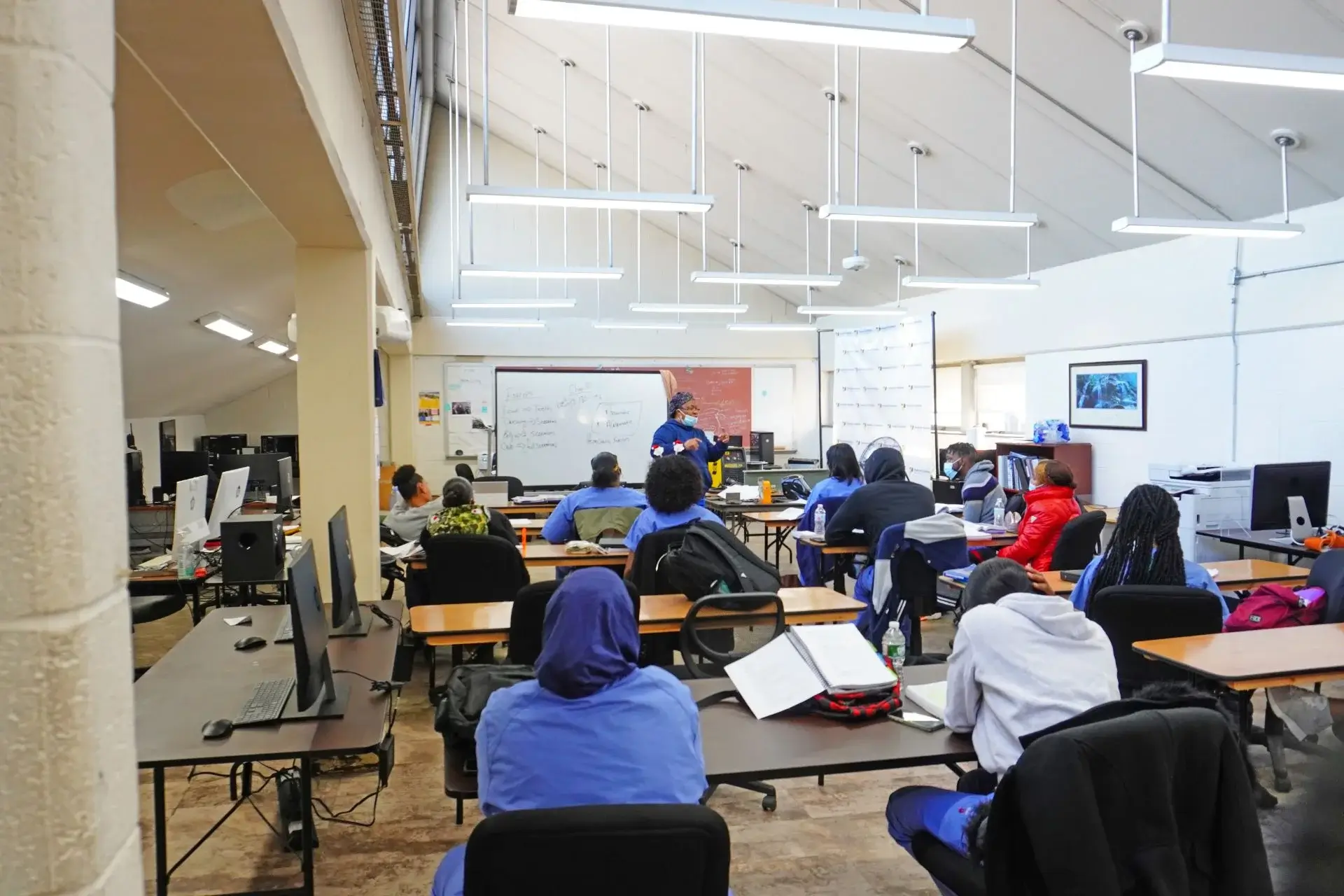
Trade school classes typically contain 15 to 25 students per section. University lecture halls pack 100 to 300 students together simultaneously. You receive direct instructor interaction and personalized feedback every single day.
Instructors notice when students struggle with specific techniques or concepts immediately. They provide one-on-one coaching and additional practice time as needed. This one-on-one support shows both trade school advantages and disadvantages depending on your preferred learning style.

Trade schools don’t force you to wait until the fall semester begins. PTTI offers rolling enrollment with flexible start dates year-round. You can begin training whenever you’re ready to commit fully.
Day classes accommodate students who prefer traditional morning and afternoon schedules. Evening programs work perfectly for people maintaining current jobs during training. Weekend options exist for students with weekday work commitments that can’t change.
This flexibility helps adult learners who need to coordinate training around families. You don’t lose six months waiting for the next semester to start. Moreover, you can finish training and start earning money much faster
PTTI maintains strong relationships with Philadelphia-area employers solving labour shortage problems across all industries served. Companies actively recruit graduates before they complete their final externship hours regularly. Job fairs connect students directly with hiring managers seeking skilled workers.
Career services help students write resumes, practice interviews, and search strategically. The high placement rate demonstrates that training leads to employment. Moreover, employers trust PTTI graduates because they possess actual workplace skills.
You know precisely what job you’re training for from day one. Welding students become welders working in fabrication or construction settings. Plumbing students become plumbers, installing and repairing water systems everywhere. Overall, the pros and cons of trade school are easy to weigh once you see how direct the outcomes can be.
Trade school vs college flexibility differs. Trade training focuses narrowly on one specific skill set. Switching careers requires entirely new training programs and certifications, typically. Your skills don’t transfer easily to unrelated fields or industries. This limitation appears among the common trade school advantages and disadvantages discussed by graduates
Trade work requires manual labor constantly throughout careers. You spend days standing, lifting, climbing, and working in uncomfortable positions. Furthermore, you face exposure to heat, cold, chemicals, and electricity regularly.
Construction sites present weather challenges, including extreme temperatures and precipitation conditions. Manufacturing facilities require repetitive motions that can cause strain injuries. Additionally, noise levels in shops and sites can damage hearing permanently.
Injury risks remain higher than in typical office jobs or desk careers. Welders face burns, eye damage, and fume inhalation dangers daily. Electricians risk electrocution working with live circuits and high voltages. Moreover, falls from ladders and scaffolding cause serious injuries frequently.
OSHA safety training reduces risks significantly when followed correctly. Proper protective equipment prevents most injuries when worn consistently every day. Nevertheless, physical limitations may prevent some people from succeeding in trades.
Trade school credits don’t count toward bachelor’s degrees at universities. If you later want a college education, you start completely over. Some community colleges accept vocational credits, but most don’t currently.
This affects people who are uncertain about career choices and paths forward. Changing your mind after trade school means investing in education again. College students can switch majors without losing all previous coursework completed. This trade school vs. college issue affects students who may later want to pursue higher degrees.
Outdoor construction work stops during severe weather and winter conditions. Cold climates experience seasonal slowdowns affecting income and hours significantly. Rain, snow, and extreme temperatures halt projects, causing layoffs temporarily.
Indoor trades avoid weather problems completely throughout entire careers. HVAC service technicians work year-round in homes and buildings. Sterile processing technicians work in climate-controlled hospitals constantly, regardless of the weather.
Most states require licensing exams before working independently as tradespeople. Electricians, plumbers, and HVAC techs must pass state tests. License renewal happens every two to five years, typically.
Continuing education credits keep licenses current and valid legally. You attend classes, learning code updates and new techniques regularly. Furthermore, license renewal fees cost $100 to $300 periodically.
However, licensing also protects your income from unlicensed competition significantly. Only licensed professionals can legally perform certain work types. Therefore, licensing requirements benefit legitimate tradespeople despite the hassle involved.

If you prefer working with your hands, creating tangible results daily. Learning by doing feels more natural than reading textbooks constantly. Additionally, you need to start earning money within one year, maximum. For those asking if trade school is worth it in 2026, the answer is yes if your goals align with practical, skills-based learning and early employment.
If you wish to avoid $40,000 to $100,000 in student debt, and it matters significantly to you. You want clear career paths without having to explore options for years. Physical work doesn’t bother you, and you’re currently maintaining good health.
Job security means more to you than social prestige or status. Self-motivation drives you without the constant supervision or structure needed. Furthermore, you can fully commit to intensive training for six to twelve months.
Your area currently offers a strong job market for trade workers. Philadelphia provides excellent opportunities across the construction, utilities, and healthcare sectors. Moreover, you value practical skills over theoretical knowledge and concepts.
You want broad career flexibility, switching fields frequently throughout life. Office or remote work environments appeal more than physical labor. Physical limitations prevent you from performing demanding manual tasks safely.
Earning $100,000+ early in a career matters without starting businesses. You need traditional campus life and academic environments for learning. Uncertainty about specific career choices makes commitment difficult currently.
Social prestige influences your decisions more than practical income considerations. Research-based or theoretical work interests you more than applications. Additionally, you plan to pursue a master’s degree or doctoral program.
Seasonal or sporadic work schedules don’t fit your financial needs. You prefer steady paychecks without weather-related income fluctuations ever. Furthermore, ongoing licensing and continuing education requirements frustrate you significantly.

| Factor | Trade School | Traditional College |
| Duration | 6-12 months | 48 months |
| Total Cost | $8,000-$18,000 | $38,270 per student per year |
| First Paycheck | 6-12 months | 50-60 months[48 months (degree) + 2-12 months job search] |
| Job Placement | 70% | 79% |
| Hands-On Training | 70-80% | 10-20% |
This table summarizes the financial and educational differences between trade school vs college and helps you understand the benefits of trade school for long-term savings.
[Sources- https://educationdata.org/average-cost-of-college,
The College-Graduate Workforce in the Transition to a Post-Pandemic Labor Market: Trends in Employment, Professional Engagement, and Work Arrangements | NSF – National Science Foundation’ ptt.edu]
Ask schools about their job placement rates for recent graduates. Aim for programs reporting 80 percent or higher placement consistently. Evaluating trade school advantages and disadvantages for each program ensures the best fit for your career goals.
Verify instructors bring current industry experience into classrooms daily. Real-world trade experience matters more than teaching credentials alone. Additionally, instructors should work or have worked in fields recently.
Determine what percentage of training involves hands-on practice time. Look for programs offering 70 percent or higher hands-on instruction.
Research employer partnerships and job placement assistance provided to graduates. Strong industry connections lead directly to employment opportunities after finishing. Moreover, externship programs create networking opportunities with potential employers directly.
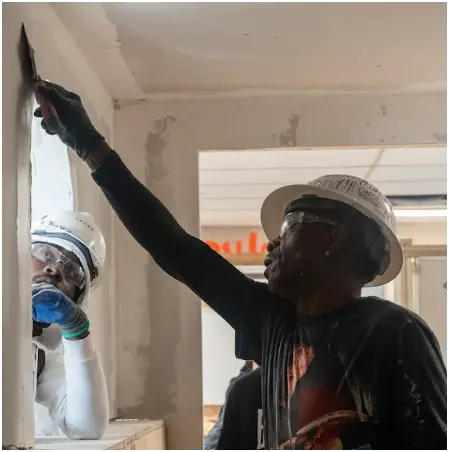
Trade school offers ten significant advantages, especially regarding speed and costs. Seven disadvantages exist primarily around limited flexibility and physical demands. Financial return on investment strongly favors trade school for the first decades.
Best fit includes hands-on learners who want clear career paths. Philadelphia-area employers actively recruit graduates for open positions that are constantly available.
So, if you’re still wondering is trade school worth it, remember that the pros and cons of trade school depend entirely on your goals—but the benefits of trade school make it a powerful path for many.
Contact PTTI today to learn about enrollment, financial aid options, and outcomes. Within six to twelve months, you could be earning $40,000 to $55,000 annually.
Is trade school worth it financially for most students?
Yes, trade school delivers excellent financial value for motivated students. Programs cost $8,000 to $16,000 versus $80,000 to $150,000 for college. You start earning within eight to fourteen months instead of waiting years. Over ten years, trade school graduates often finish $200,000 to $300,000 ahead.
What are the biggest pros of trade school programs?
The top advantages include fast completion in six to twenty-four months. Low costs of $8,000 to $16,000 prevent crushing student debt. Hands-on training provides job-ready skills employers need immediately. High job placement rates of 80 to 90 percent lead to employment. You enter in-demand careers with strong growth and security.
How long does trade school take to complete?
Most trade school programs take six to twenty-four months total. Certificate programs finish in six to twelve months typically. Diploma programs take twelve to eighteen months for completion. Associate degrees require eighteen to twenty-four months of study. PTTI programs range from six to twelve months currently.
Will I regret going to trade school later?
Only 10 to 15 percent of trade school graduates express regret. Most regret stems from choosing trades without researching demands thoroughly. Students completing quality programs from accredited schools report high satisfaction. Additionally, stable careers and good incomes create long-term happiness.
What is the best trade to learn currently?
An electrician offers the best combination of high pay and security. You earn $60,000+ with 15 percent job growth projected forward. Career options span residential, commercial, and industrial settings everywhere. HVAC, plumbing, and healthcare trades also provide excellent prospects.
Disclaimer– Certain statistics and information referenced in this article are obtained from third-party sources. While efforts have been made to ensure accuracy, we make no warranties regarding completeness or reliability. All trademarks, data, and content remain the property of their respective owners. Users are advised to consult the original sources for authoritative information.
Sources-
Read More :