
The “face” of the construction sector might surprise you if you go to a big building site nowadays. Black women in trades are the builders of a new era, and to be honest? It’s time and era. As a result of this shift, while people in office cubicles talk about the “future of work,” an entire generation of women is finding strength in the real world.
Moreover, these women aren’t just filling in gaps; they’re leading the charge with a level of accuracy and determination that’s impossible to ignore as the sector deals with a huge scarcity of workers.
Let’s take a look at the figures for a moment. The sector hasn’t always been the friendliest place in the past; in fact, only about 10.9% of the overall workforce is made up of women in construction. But things are changing. Specifically, black women in trades are learning that they don’t have to wait for a job offer; they can make their own.
Consequently, this isn’t just a “job change”; it’s a smart decision to move higher in the world. A lot of people are finding that trade school apprenticeships are a far speedier way to get out of debt than a regular four-year degree. You don’t have to worry about a lot of school debt; you can go directly to work in a field you love. Ultimately, it’s a clever, no-nonsense technique to get into high-paying trade jobs.
We need to talk about the money because it’s impressive. However, a lot of folks don’t think about the skilled trades because they’re caught in the “college-or-bust” attitude. We’re talking about an average yearly pay of roughly $50,000, and skilled professionals can easily make six figures.
For this reason, for black women in trades, these paychecks offer a way to generate real, permanent wealth. In addition to the salary, trade school apprenticeships let you “earn while you learn,” which means you are paid to learn. If you live in or around Philadelphia, you should definitely check out the Philadelphia Technician Training Institute (PTTI). For instance, the trade program services are made to help you get out of the classroom and into the field quickly, so you can start reaching your financial goals sooner rather than later.
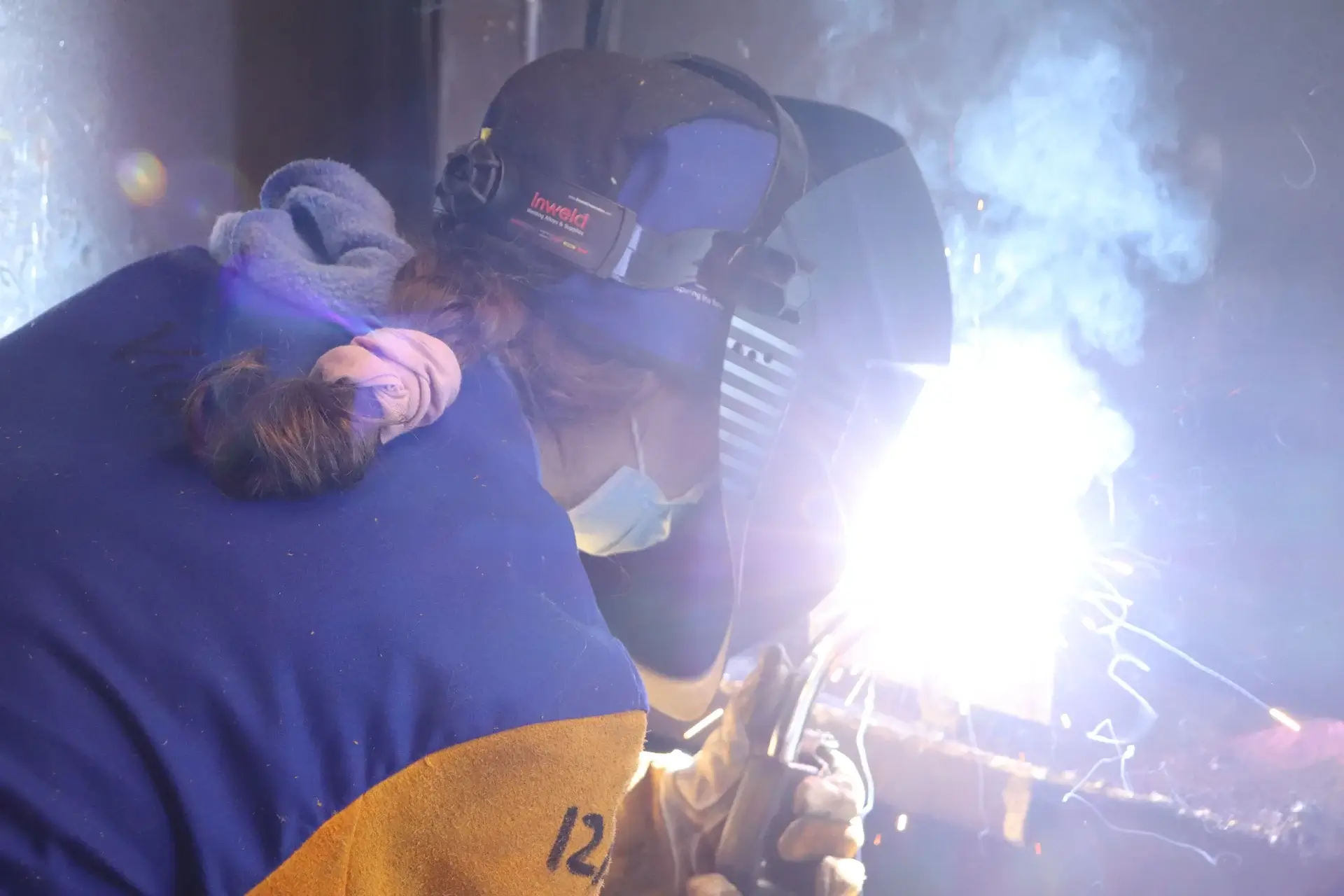
Have you ever watched a master welder work? It’s pretty much art. Similarly, there are a lot more female welders now because, to be honest, women are typically better at paying attention to details. In an industry where a tiny difference in size can be the difference between a safe structure and a dangerous one, female welders are the best workers on the fabrication floor.
To be sure, not everyone can work with high-heat tools and complicated plans, but black women in trades are proving that they can. Because of this, these specialists are in high demand right now since they can tackle complicated mechanical problems. This is true whether you’re interested in structural work or HVAC professions.
It’s not simply about the work that needs to be done. In the same way, black women in trades are becoming strategic project managers and taking on leadership roles. They add a sense of teamwork to the site that helps keep communication smooth and personnel on pace. On top of that, women in construction are frequently the ones who make sure that complicated projects stay on track and, most importantly, on budget.
Managing a site is hard work, but nevertheless, these women make it look easy. Every day, they show that skilled trades need just as much mental strength as they do physical strength.
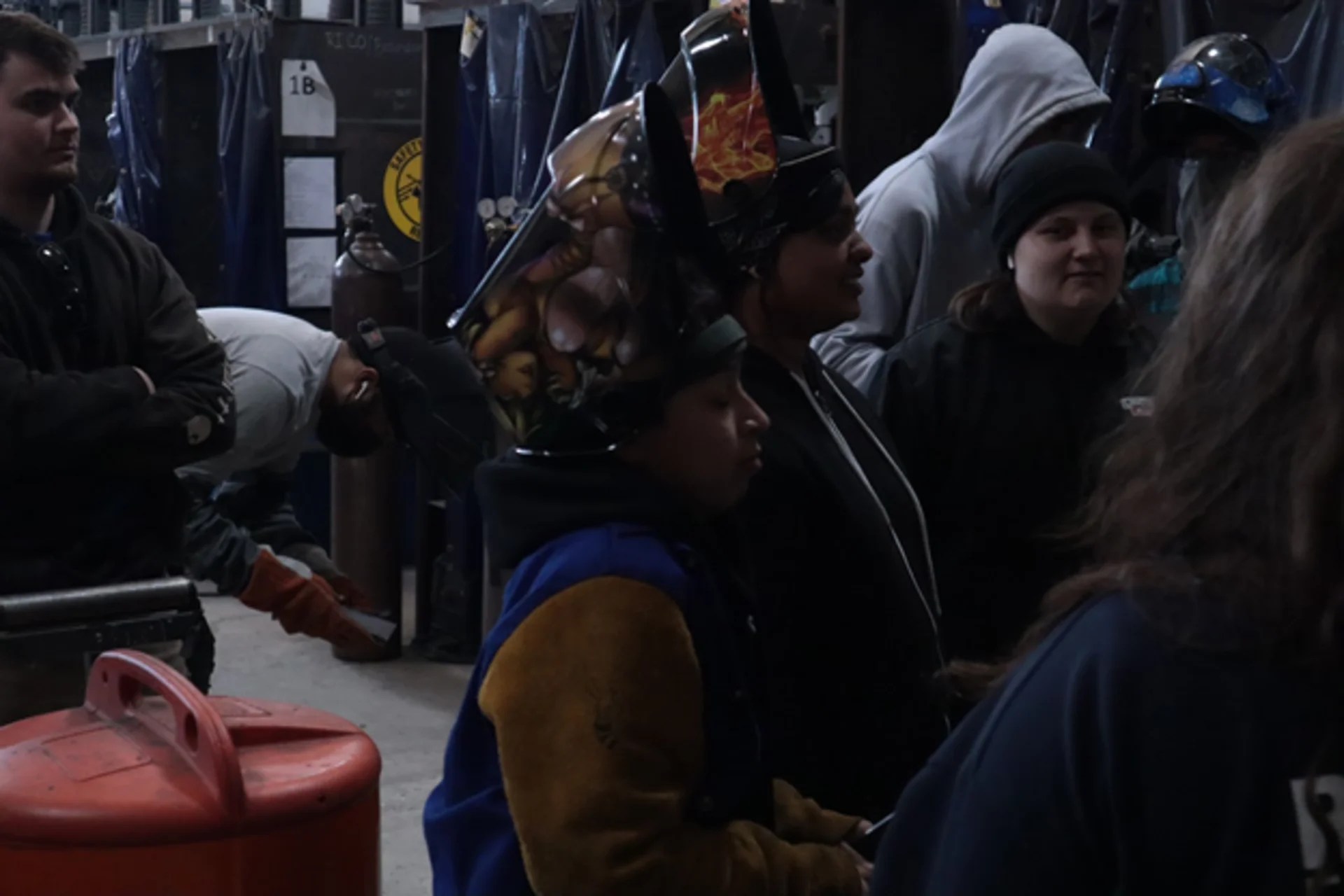
It’s terrific that people are doing well on their own, but meanwhile, what we’re seeing now is a full-blown movement. Chicago Women in the Trades (CWIT) and other groups are helping black women stay in high-paying jobs by mentoring and supporting them. Above all, these groups are important because they assist in proving that the conventional idea that trades are “men’s work” is wrong.
We also have a lengthy history here. For instance, black women have long been a part of the world’s foundation, from Alice H. Parker’s 1919 gas furnace patent to present-day trailblazers like Lashanna Lintamo. By the same token, by getting into trade school apprenticeships today, you’re only carrying on a tradition that has been going on for more than a hundred years.
Actually, the best part is that a lot of black women in trades are using their technical skills to start their own businesses. Entrepreneurship is a huge way to make money in this field. After all, why work for someone else’s business when you can own your own? Because there aren’t enough workers, specific skills are becoming even more desirable. Therefore, these business owners are in a great position to win.
In short, women in construction are no longer waiting for an invitation. Shirley Chisholm said, “If they don’t give you a seat, bring a folding chair.” But really? Black women in trades today aren’t simply delivering chairs; they’re building the whole table.
Looking ahead, in the future, these skills will be in even more demand. Whether you want to be one of the next generation of female welders or are just interested in the technical side of HVAC jobs, the door is wide open. The Philadelphia Technician Training Institute (PTTI) is a great location to start if you’re ready to go. In conclusion, the programs are a great alternative for anyone who wants to skip the fluff and get right to work because they are hands-on.
Black women in trades are the new power players because they have both the skills and the desire to make a difference. This is what the industry looks like now, and it will stay that way.

A: Currently, a lot of trade unions and others provide trade school apprenticeships that are meant to make the workforce more diverse. For black women who want to work in trades, groups like CWIT are great places to locate mentors and get help with the application process.
A: Generally, female welders, electricians, and HVAC workers are at the top of the list of jobs that pay well. These trade professions pay well at first and increasingly better as you get qualified.
A: First of all, it’s all about the people. Finding a group of other black women who work in trades can help you do well. Secondly, choosing a school like PTTI is also a good idea because you learn in a supportive setting before you even start working.
A: Most programs, like many trade school apprenticeships, last between 6 and 24 months. Basically, it’s a much faster way to get a secure, well-paying job than most four-year degree programs.
Read more: