
Anyone serious about drywall work eventually realizes that guessing on the job slows everything down. A focused drywall training program can speed up learning, cut early mistakes, and open doors to better crews and better pay. Still, not every course gives the same value, and not every schedule matches real life.
Someone planning a long career as a drywall installer needs to know what to look for before signing any papers. They also need to understand how training connects to hiring, advancement, and day‑to‑day work on active job sites. With the right questions, a person can pick a course that fits their area, their budget, and their goals instead of just hoping things work out.
Most drywall workers still learn plenty on the job, yet formal learning can give a strong head start. Employers notice when a new hire already understands tools, safety, and basic finishing steps. That early knowledge can shape the whole drywall technician career path, from patch work to full rooms and eventually to lead roles.
The Drywall Installers, Ceiling Tile Installers, and Tapers profile in the Occupational Outlook Handbook reports a median annual wage of 58,800 dollars in May 2024 and projects 4 percent employment growth from 2024 to 2034, which counts as average growth. It also notes thousands of openings each year as people retire or move into other trades. Those numbers suggest that solid drywall technician skills will stay useful, especially for people who take their training seriously.
The search should begin with schools or centers that clearly list drywall as a major focus, not just a small side topic. A good drywall training program will describe drywall framing, board hanging, taping, coating, sanding, and repair in its main outline. It should also mention basic safety and construction drawings, since those tie directly into real work.
One example is a Drywall, Framing, and Finishing program that combines lecture hours with many shop hours and an externship. Such programs often break topics into safety, construction math, drawings, tools, material handling, and cold-formed steel framing, then move into exterior and interior finishing. This structure shows that the course respects how a real drywall technician career path unfolds, starting with fundamentals before pushing into higher levels.
When checking options locally, a person should compare course descriptions and drop any program that barely mentions drywall or focuses only on general carpentry without clear finishing practice.

Drywall cannot be learned only from slides or written notes. Someone aiming at a serious drywall installer career needs hours with panels, screws, tape, and compound. Because of that, the best options place most of the schedule inside labs and practice rooms.
Overviews of drywall courses often highlight an 80 percent hands-on format, where learners cut panels, mount them, embed tape, and sand joints themselves. That kind of layout matters. It means students will spend more time fixing their own ridges and bubbles than talking about them in theory.
When calling schools or browsing websites, a person should ask directly how many hours go into practice, how many into lecture, and what kinds of projects students complete. The answer reveals whether the program truly delivers drywall tech training in the USA that feels like real work or just a classroom overview.
A strong course should teach skills that connect to everyday tasks on-site. That includes measuring rooms, finding studs, cutting around outlets, planning seam locations, and supporting corners and openings. Later, it extends into taping, coating, sanding, and basic repair work.
Skill-building descriptions for drywall, framing, and repair courses emphasize exactly these abilities, such as patching small holes, handling water damage, replacing panels, and working toward smooth finishes step by step. They also describe how training covers Levels 1 through 5 of finish, so students know what quality looks like at each stage.
Someone weighing options should scan course details for clear mentions of these drywall technician skills. If a program talks only about tools in general terms or skips finishing levels, it may not prepare students for demanding jobs.
Even when local laws do not require a license, proof of learning still helps. A growing number of employers like to see some form of drywall technician certification or at least a certificate of completion from a detailed course. Such proof tells them that a worker met basic standards and practiced under guidance.
Program documents for drywall, framing, and finishing training often state that graduates receive evidence of their skills and hours, ready to show to future employers. Some resources also connect training with understanding the five levels of drywall finish, which can support later certification efforts.
During the search, a person should ask whether the school offers documentation, how assessments work, and whether instructors help students prepare for any formal tests or industry-recognized standards. These details matter when planning a long-term drywall technician career path.
Even the best course fails if a student cannot reach it or afford it. Therefore, practical details matter just as much as content. When comparing options, an individual should think about daily travel time, parking or transit access, and how class hours fit with current work or family responsibilities.
Some programs run full days, while others use evenings or mixed formats. A Drywall Framing and Finishing program may offer a mix of classroom and hands-on sessions over 26 weeks, which might suit someone who needs a defined, short path. Understanding the commitment helps avoid dropping out halfway, which wastes both time and money.
Cost also plays a big part, yet it should always be weighed against hours, equipment, and support. A cheaper course with little practice may cost more in the long run than a focused program that delivers solid drywall tech training in the USA and helps graduates find entry-level roles.
People teaching the trade make a huge difference. Instructors who have worked in the field bring job stories, shortcuts, and realistic expectations that pure theory cannot match. They also tend to know what local employers want, since they have often worked alongside them.
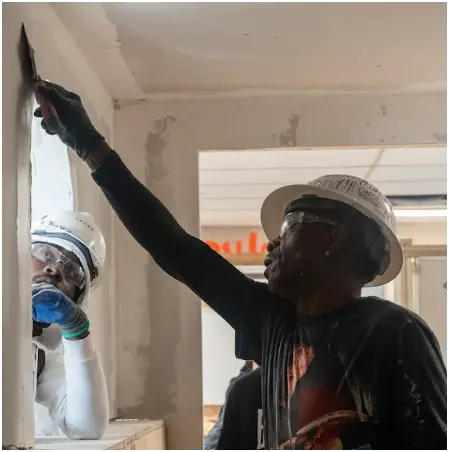
Instructors show students how to hold knives, feather edges, and move from patch work to full wall finishing with confidence. These glimpses show whether the teaching style feels practical and supportive.
When possible, a future student should ask how many instructors the course has, what their construction backgrounds look like, and whether they still connect with active job sites. Strong answers here usually mean better preparation for any drywall installer career.
Training should lead somewhere clear. A person searching for the best option should pay attention to how programs talk about job placement, externships, or connections to local contractors. Some drywall, framing, and finishing courses explicitly mention entry‑level roles in construction, carpentry, or drywall finishing as target outcomes.
Students can move into repair jobs, installation crews, and finishing teams after completing the course. This information helps students understand how training links to their future working lives.
Anyone planning to join a drywall training program search should look for schools that at least offer résumé help, interview tips, or employer introductions. While no program can guarantee jobs, support with those first steps into the field often matters a lot.
Different people want different futures. Some aim for steady work on crews, while others dream of running small drywall businesses or moving into supervision. Choosing a course that matches those plans from the start can save time later.
For example, a person who wants leadership eventually might prefer a course that also introduces basic carpentry, framing layouts, and construction math. Someone focused on high‑end finishing might prioritize training that spends more time on Level‑5 finishes and repair work. Both directions belong inside the broad drywall technician career path, but not every course will support them equally.
By matching program content with long-term goals, a student can turn training into a clear first step instead of a detached experience.
Finding the best drywall training program in any area takes a bit of effort, yet that effort pays off over many years. Checking hands-on hours, instructor backgrounds, course content, and support for drywall technician certification all help separate strong options from weak ones.
For anyone who wants a serious drywall installer career, taking time now to choose well beats learning through painful trial and error on active sites. With the right training, a student can step onto crews with real confidence, build drywall technician skills faster, and move more quickly toward steady work and higher levels of finishing.
Read More-