
College is not the only path to success. Today, many students want practical skills that lead directly to employment. As a result, trade training for high school students in Philadelphia is becoming more popular than ever.
Students are looking for careers that offer stability, good wages, and growth opportunities. At the same time, employers across Philadelphia need skilled workers. Because of this growing demand, trade education is helping students prepare for real careers before they even graduate from high school.
Trade training gives students hands-on experience. Instead of spending years in classrooms alone, students learn by doing. This approach helps them build confidence, gain valuable skills, and enter the workforce faster.
Trade training focuses on practical career skills. Students learn techniques used in real workplaces. They also receive guidance from experienced instructors who understand industry standards.
Unlike traditional academic programs, trade education prepares students for specific careers. Many programs include hands-on projects, lab work, and workplace simulations.
Popular trade training areas include:
These programs help students develop skills that employers actively seek.
Philadelphia continues to experience strong demand for skilled workers. Construction projects, infrastructure improvements, healthcare facilities, and manufacturing companies all need trained professionals.
Many experienced trade workers are also reaching retirement age. As they leave the workforce, employers need younger workers to fill important positions.
Because of this workforce gap, skilled trades careers in Philadelphia offer excellent opportunities for new graduates.
Students who complete training often find that employers value practical skills and certifications. In many cases, they can begin working immediately after graduation.
High school students who begin trade education gain several advantages.
Students learn how to use professional tools and equipment. They also gain experience solving practical problems.
These skills prepare them for workplace success.
Not every student knows what career path to follow. Trade programs allow students to explore different industries before making long-term decisions.
As a result, they can discover careers that match their interests and strengths.
Hands-on learning helps students see their progress quickly. When they complete projects and master new skills, their confidence grows.

This confidence often carries into future education and employment.
Many trade school programs Philadelphia students attend offer certification opportunities.
These credentials demonstrate competency and make job candidates more attractive to employers.
Traditional college programs can be expensive. Trade education often costs less and takes less time.
Students can enter the workforce sooner and begin earning income without accumulating significant debt.
Students have many exciting options when exploring vocational training for teens.
Electrical technicians install, maintain, and repair electrical systems. Demand remains strong because homes, businesses, and construction projects require skilled electrical professionals.
Many electrical careers also offer opportunities for apprenticeships and advancement.
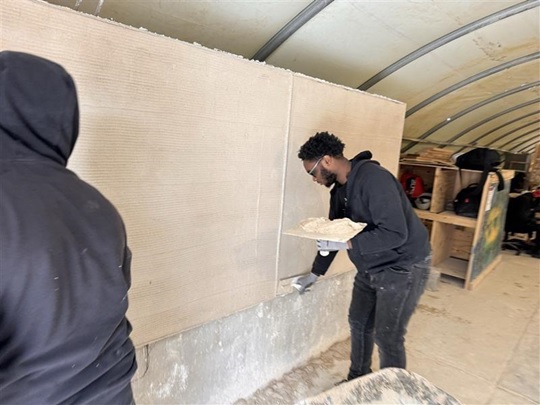
Welding is an essential skill in manufacturing, construction, and infrastructure projects. Skilled welders can work in many industries while earning competitive wages.
Pipefitter performs critical work in residential, commercial, and industrial settings.
Because plumbing systems require ongoing maintenance and upgrades, demand remains consistent.
Modern vehicles rely on advanced technology. Automotive technicians diagnose issues, perform repairs, and maintain vehicle performance.
As vehicle technology continues to evolve, trained technicians remain highly valuable.
Building maintenance professionals keep facilities operating efficiently. They handle repairs, inspections, and preventive maintenance.
This career offers variety and long-term employment opportunities.
Many students learn best by actively participating rather than simply reading textbooks.
Trade programs emphasize hands-on experience. Students work with equipment, complete projects, and practice workplace tasks.
This practical learning environment helps students:
As a result, graduates often transition smoothly into employment or apprenticeships.
Employers often seek candidates who can contribute immediately.
Trade school graduates arrive with practical experience and industry knowledge. They understand workplace safety, equipment operation, and professional expectations.
Because of this preparation, employers spend less time on basic training.
In addition, trade graduates frequently demonstrate strong work ethic, reliability, and problem-solving abilities.
These qualities make them attractive hires across many industries.
Some people assume trade careers offer limited advancement. However, the opposite is often true.
Many skilled workers advance into leadership positions. Others become project managers, supervisors, inspectors, or business owners.
For example:
Trade education often serves as the foundation for long-term career growth.
Trade training does more than prepare students for jobs. It also teaches responsibility, professionalism, and time management.

Students learn how to:
These skills remain valuable throughout their careers.
Whether students pursue employment, apprenticeships, or additional education, they benefit from the practical foundation trade training provides.
Parents increasingly recognize that success comes in many forms.
While college remains a great option for some students, others thrive in hands-on learning environments. Trade education offers a direct path to meaningful careers.
Families appreciate the opportunity for students to gain skills, earn certifications, and enter growing industries.
Furthermore, many trade careers provide competitive wages, strong job security, and advancement opportunities.
As a result, more Philadelphia families are exploring career-focused education options.
The demand for skilled workers continues to rise across Philadelphia and beyond. Because of this trend, trade training for high school students in Philadelphia has become an attractive pathway to career success.
Students can gain practical experience, earn industry credentials, and prepare for rewarding careers before graduation. They also develop valuable life skills that support long-term growth.
For young people who want a clear path toward employment and professional success, trade education offers an exciting opportunity. By starting early, students can build confidence, develop in-demand skills, and create a strong foundation for a successful future.