
Choosing a career is one of the biggest decisions a student will make, but earning a four-year college degree is no longer the only path to success. Today, more students are discovering that hands-on careers offer excellent opportunities, competitive salaries, and long-term job security. That’s why skilled trades for high school students have become an increasingly popular option for those who enjoy building, creating, and solving real-world problems.
The best part is that students do not have to wait until graduation to begin preparing for these careers. Many high schools, career and technical education (CTE) programs, and vocational training centers introduce students to the trades while they are still in school. These programs provide valuable hands-on experience, helping students build confidence and practical skills before entering the workforce or enrolling in additional training.
Whether your goal is to become a welder, framer, drywall finisher, or another skilled professional, starting early can open the door to exciting career opportunities.
The demand for skilled workers continues to grow across the United States. Construction companies, manufacturers, industrial facilities, and infrastructure projects all rely on trained professionals to keep projects moving. At the same time, many experienced tradespeople are reaching retirement age, creating thousands of job openings for the next generation.
Unlike many traditional career paths, skilled trades allow students to begin working much sooner after graduation. Instead of spending years in college and taking on significant student debt, many graduates enter the workforce after completing career-focused training.
Some of the biggest benefits include:
For students who enjoy active, hands-on learning, skilled trades can provide a rewarding alternative to a traditional classroom setting.
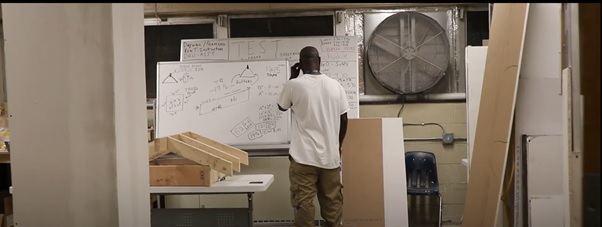
Starting early gives students an important advantage. Instead of waiting until after high school to explore career options, they can begin developing technical skills while completing their education.
Early exposure also helps students discover which trades match their interests and strengths. Through hands-on projects, students gain confidence, improve problem-solving abilities, and become familiar with professional work environments.
Learning a trade before graduation also helps students:
These experiences make the transition from high school to the workforce much smoother.
One of the most popular career paths for teens is welding training. Welding is used in construction, manufacturing, automotive repair, shipbuilding, infrastructure, and many other industries, making it one of the most versatile skilled trades available.
Students who participate in welding programs learn how to join different metals accurately while developing patience, precision, and attention to detail.
Training typically includes:
These skills prepare students for future apprenticeships, certifications, and career opportunities in a wide range of industries.
A drywall finishing course introduces students to another important part of the construction industry. Every home, office, hospital, and commercial building requires skilled professionals who can prepare walls and ceilings before painting and final finishing.
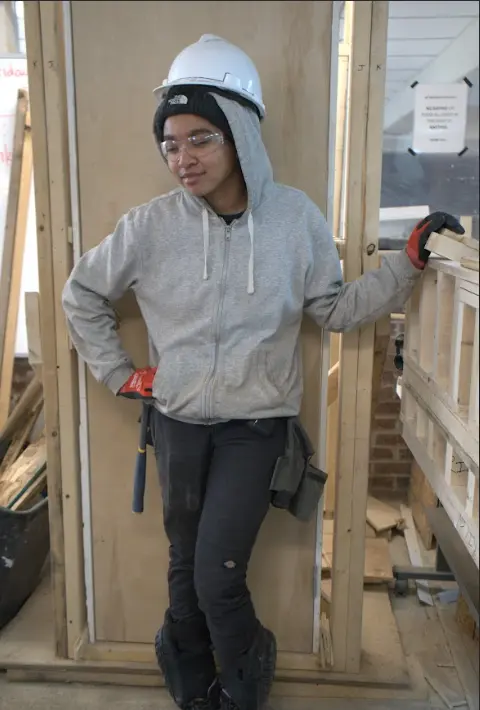
Students learn how to:
Drywall finishing requires patience, attention to detail, and consistency. Many students enjoy watching a room transform as they complete each stage of the finishing process, making it a satisfying trade for creative, hands-on learners.
A framing course introduces students to one of the most important stages of construction. Before electricians, plumbers, or drywall finishers begin their work, framers build the structure that supports the entire building.
Students learn how to read construction plans, measure accurately, cut lumber, and assemble walls, floors, and roof systems. Because framing requires precision and teamwork, it helps students develop valuable workplace skills while seeing a project come together from the ground up.
Typical framing training includes:
For students who enjoy working outdoors and building tangible projects, framing offers an exciting and rewarding career path.
No matter which career students choose, safety is always a top priority. Learning safe work habits early prepares students for professional job sites and helps prevent workplace injuries.
Most training programs teach students how to:
These habits become second nature and remain valuable throughout a student’s career.
Many students continue their education after graduation by enrolling in trade school programs. Unlike traditional colleges, trade schools focus on practical, career-specific training that prepares students for employment in a shorter period of time.
Students spend most of their time gaining hands-on experience instead of sitting through lecture-based classes. This practical approach allows graduates to enter the workforce with skills employers are actively looking for.
Many trade school programs include:
At institutions like PTTI, students receive hands-on training designed to prepare them for careers in construction and skilled trades. By learning from experienced instructors and practicing with industry-standard equipment, students develop the confidence needed to succeed after graduation.
While welding, drywall finishing, and framing are excellent starting points, students have many other opportunities within the skilled trades industry.
Some additional careers include:
Exploring different trades helps students identify the career that best matches their interests, strengths, and long-term goals.
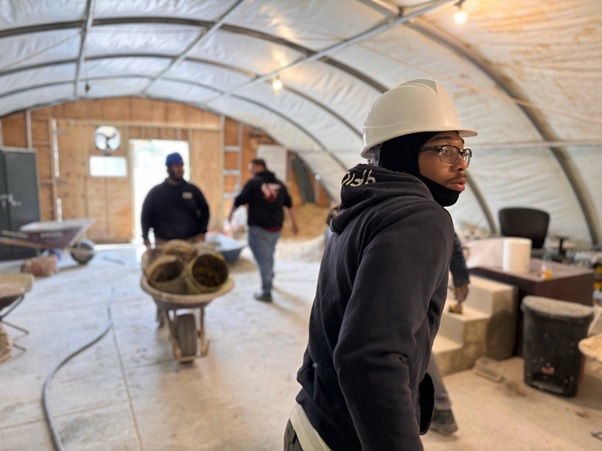
Many students learn best by doing rather than simply reading or listening to lectures. Hands-on education allows students to apply what they learn immediately while developing practical problem-solving skills.
Working on real projects teaches students how to use professional tools, follow instructions, and complete tasks accurately. Every finished project builds confidence and provides a sense of accomplishment that motivates students to continue learning.
This style of education also helps students become more comfortable working independently and as part of a team, two qualities that employers value across every industry.
Technical knowledge is only one part of becoming a successful tradesperson. Employers also look for individuals who demonstrate professionalism, responsibility, and a strong work ethic.
Students who participate in skilled trades training often strengthen important workplace skills such as:
These skills not only improve job performance but also help graduates advance into leadership positions as they gain experience.
The demand for skilled professionals continues to grow as new homes, schools, hospitals, commercial buildings, and infrastructure projects are developed across the country. At the same time, many experienced workers are retiring, creating excellent opportunities for the next generation of skilled professionals.
For students who enjoy working with their hands and seeing the results of their efforts, skilled trades offer meaningful, stable, and rewarding careers. By starting early, students can graduate with valuable experience, a clearer career direction, and a strong foundation for future success.
Exploring skilled trades for high school students is one of the smartest ways to prepare for a successful future. Whether you’re interested in programs for teens, taking a drywall finishing course, enrolling in a framing course, or continuing your education through trade school programs. Every skill you learn brings you one step closer to a rewarding career.
At PTTI, students gain practical, hands-on training that prepares them for real opportunities in today’s workforce. By developing technical knowledge, workplace confidence, and professional skills early, high school students can graduate ready to build successful careers in the skilled trades.
Welding, framing, drywall finishing, electrical work, HVAC, carpentry, and pipefitting are all excellent career options.
Yes. Many schools and career programs offer hands-on trade training while students are still in high school.
Yes. Welding offers strong job demand, competitive pay, and opportunities in construction, manufacturing, and other industries.
Trade school programs provide practical training, technical knowledge, workplace safety, and career preparation for specific industries.
Skilled trades often require less time in school, lower education costs, and can lead to stable, well-paying careers with strong job demand.
Read more: