
Most people pick one trade and stop there. That single choice quietly caps their pay. There is a smarter move. You can learn welding first, then add pipefitting, and build a real income ladder. This is the welding to pipefitting career path, and it works especially well in Philadelphia’s industrial and union-heavy market. When you can weld and fit pipe, you become the worker employers fight to keep.
This guide breaks down exactly how the two trades stack. You will see why they pay more together, where the skills overlap, which order to learn them in, and what each rung of the wage ladder looks like locally. It is written for anyone who wants to out-earn a single-trade ceiling without spending years in a classroom.
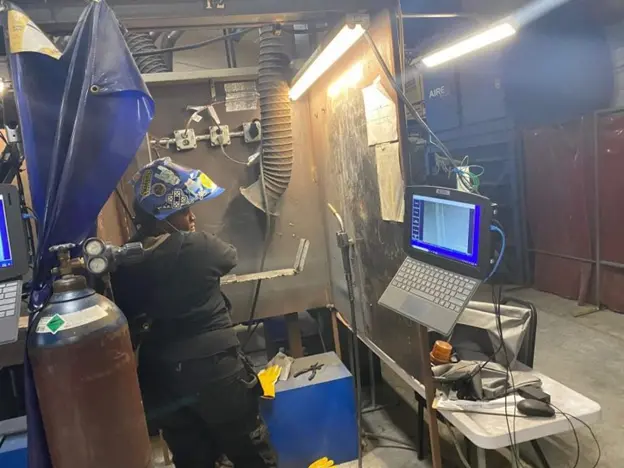
Stacking welding and pipefitting pays more because it removes your income ceiling. A welder who can also fit and weld pipe qualifies for higher-paid industrial work. In Philadelphia’s market, that combined skill set opens doors to refineries, shipyards, power plants, and union steamfitter jobs that single-trade workers cannot reach.
Employers pay a premium for people who solve more than one problem. On a job site, a welder waits for a fitter, and a fitter waits for a welder. When one person does both, the crew moves faster. That efficiency is worth money, and smart contractors reward it.
Every trade has a natural pay ceiling. A skilled welder in Philadelphia earns a solid living. Still, wage growth eventually flattens once you top out as a welder. Adding a second, higher-paying trade breaks through that flat line. This is the core logic behind the welding to pipefitting career path.
Stackable trades are skills that build on each other. You learn one, start earning, then add a second that raises your value. Welding and pipefitting fit together naturally. The first trade funds and supports the second. That is what makes them one of the strongest stackable trades combinations in the skilled trades world.
Yes, you can absolutely do both welding and pipefitting. In fact, the two trades often share the same job site and the same worker. Many pipefitting tasks require welding, and many welding jobs involve pipe. Learning both is a logical, proven way to build a durable trade career ladder.
The industry even has a name for this crossover worker. They call them combo welders or pipe welders. These workers fit the pipe, then weld it, all themselves. That combination is in constant demand across Pennsylvania, New Jersey, and Delaware.
Pipefitting is the work of laying out, cutting, and joining pipe systems. Welding is one of the main ways those joints get sealed. So the trades meet at the weld. A pipefitter who can weld controls the whole process. That control is exactly what raises pay.
Welding and pipefitting skills overlap a great deal. Both trades demand blueprint reading, precise measurement, strict safety habits, and confident metalwork. Once you learn these in welding, they transfer straight into pipefitting. That overlap is why stacking the two is faster than learning two unrelated trades.
To compare the two paths in more detail, our breakdown of pipefitter versus welder careers is a useful starting point before you commit to an order.
For most people, welding first is the smarter order. Welding gets you job-ready and earning faster. It also builds the hand skill and certifications that pipefitting work rewards. Once you are working and earning as a welder, you can add pipefitting to advance to higher-paid industrial and mechanical roles. Welding and pipefitting salary is much higher in states, are two trades which are dependable with each other a pipe fitter require welding if there any leakage in sprinkler
That said, the reverse order can work too. Some students prefer to learn pipe systems first, then add welding. Both routes lead to the same destination: a well-paid combo worker. The best choice depends on your goals and local hiring demand.
Welding is often the faster on-ramp. You can build core welding skill in a focused, hands-on program. Then you can start earning while you plan your next step. Welding and pipefitting jobs also teaches the exact hand control that pipe welding demands later. You can explore this foundation through PTTI’s Welding Technology program
Sometimes pipefitting first fits better. If local demand for fitters is strong, starting there gets you working sooner. You then add welding to become a full combo welder. PTTI’s Steam, Sprinkler & Pipe Fitting program builds the mechanical foundation for this route.
The welding to pipefitting career path works because each rung pays more than the last. You start at a solid welder’s wage. Then you climb as you add pipefitting and specialize. In Philadelphia, the top rungs reach well into six figures for experienced union steamfitters.
Here is how the ladder tends to look in the local market. Figures are regional estimates and vary by employer, certification, overtime, and union status.
Welders in the Philadelphia area generally earn solid mid-range wages. Entry-level pay starts lower and climbs with skill and certification. Experienced and certified welders earn meaningfully more. Overtime and specialty work push those numbers higher still. Welding and pipefitting salary are way higher than those of any other skilled trade.
Pipefitters and steamfitters typically out-earn general welders. According to the U.S. Bureau of Labor Statistics, the national median wage for plumbers, pipefitters, and steamfitters was $62,970 in May 2024. The top ten percent earned more than $105,150. The field is also projected to grow about four percent through 2034, with roughly 44,000 openings each year.
The real money sits in the overlap. A pipe welder who can fit and weld commands a premium. In Philadelphia, union steamfitter-pipefitter pay ranges can climb from the low $70,000s to well over $100,000 for experienced workers. That premium is the payoff for stacking both trades.
| Ladder Rung | Approximate Philadelphia-Area Range |
| Entry-level welder | $45,000 – $52,000 |
| Certified / experienced welder | $55,000 – $65,000 |
| Pipefitter / combo welder | $60,000 – $75,000 |
| Senior / union steamfitter-pipefitter | $80,000 – $120,000+ |
This clear progression is what a single trade cannot offer. It is the practical heart of the welding to pipefitting career path. To see where these roles lead, review PTTI’s careers and job opportunities resources. However,This two skilled trade works as trade career ladder to
Welding and pipefitting jobs credentials stack neatly. Your welding certifications prove you can lay a sound weld. Your pipefitting skills prove you can lay out and build pipe systems. Together, they make you a verified combo welder. That combined proof is what employers screen for on higher-paid jobs.
The goal is not just a certificate of completion. Goal is to this trade caree ladder as sometimes achieve career goal .The goal is demonstrated skill that passes a real weld test. That is what turns training into hiring power.
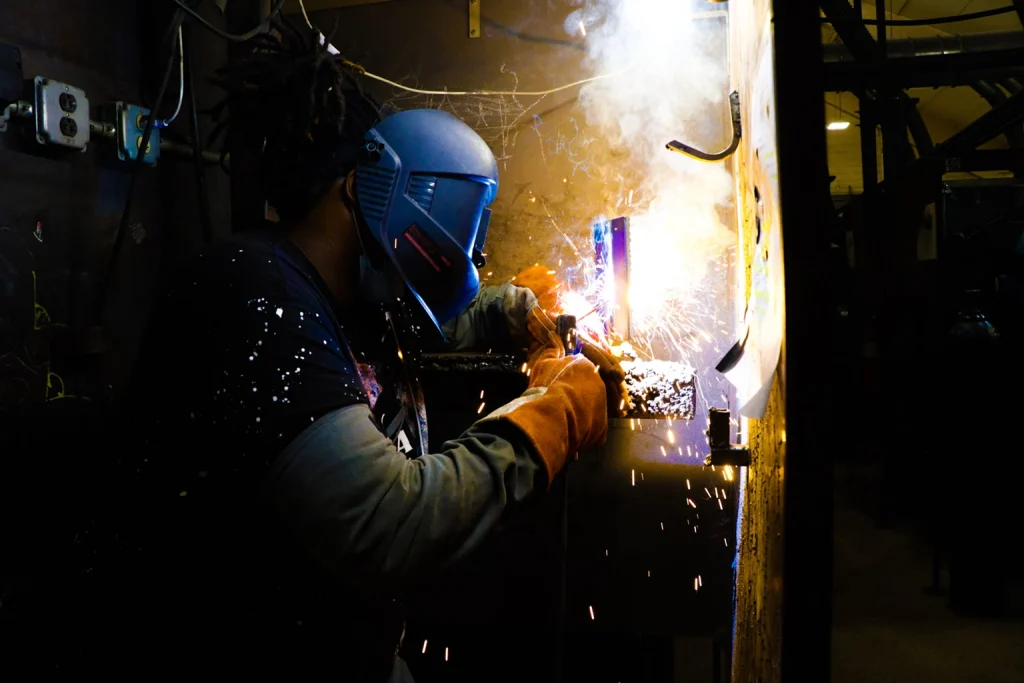
Welding certifications are performance-based. You earn them by producing a sound weld that an inspector verifies. welding and pipefitting salary varies from states to state but these two trade consists of higher pay in Philly.
Those same welds appear constantly in pipe work. So your welding credentials carry directly into pipefitting. Building toward these is a smart early move, as our guide to welding certifications that boost your career explains.
Pipe welding combines welding and pipe fitting into one highly valued skill. Start by mastering core welding, then build expertise in pipe positions and materials. Employers often pay more for professionals with these specialized skills. Learn more in our guide on why employers prefer multi-skilled trades workers.
Philadelphia has a deep union tradition in the mechanical trades. Local steamfitter and pipefitter organizations represent many of the region’s best-paid pipe workers. That union presence is a major reason the combined skill set pays so well here. A worker who can weld and fit pipe fits these roles perfectly.
Union work is not the only path, and it is not right for everyone. Direct employment with contractors is also a strong option. What matters is that both paths reward stacked skills. The more you can do, the more leverage you have.
Union pipe work often demands both fitting and welding. This is like trade career ladder which ats like two stacks in skilled trade. Crews value members who cover both tasks. That flexibility makes you more employable and more promotable. If you are weighing your options, our comparison of the union path versus direct employment lays out the trade-offs clearly.
PTTI is built for exactly this kind of stacked path. It offers hands-on training in both welding and pipe fitting under one roof. You learn on industry-standard equipment in real labs, not just from lectures. That applied approach is what prepares you for actual job-site expectations.
Hands-on training is the key difference. You cannot learn to weld or fit pipe from a screen alone. You build these skills with reps, tools, and expert guidance. This is where PTTI’s model stands apart from online-only courses and self-teaching.
PTTI’s welding training focuses on real skill and certification readiness. You practice core processes on professional equipment. You also prepare for the weld tests employers require. This foundation is the first rung of your ladder. Learn more about starting through PTTI admissions .
PTTI’s pipe fitting training builds the mechanical second trade. You learn layout, systems, and safe job-site practice. Combined with welding, it positions you as a true combo worker. To see how students move from training into hiring, read about starting a pipefitter-welder career.
For students worried about cost, PTTI’s financial aid options can help make both programs achievable. Veterans can also review dedicated veterans’ benefits guidance before enrolling.
SEO Image Alt Text: Hands-on welding and pipefitting lab at PTTI in Philadelphia Image Description: This stack of two trades in Philly demonstrates the applied learning environment that prepares students for both trades.
The welding to pipefitting career path is one of the clearest ways to out-earn a single-trade ceiling. You learn welding, start earning, then add pipefitting to climb. Each rung raises your value and your pay. In Philadelphia’s industrial and union market, that combined skill set is exactly what employers want.
The next step is simple. Take the Program Matchmaker Quiz to find your best starting point. You can also schedule a campus visit to see the labs, or contact admissions to start building your stacked-trade future this year.
Yes. Many workers do both, and the trades share job sites and skills. A worker who fits and welds pipe is called a combo welder or pipe welder. This stacked skill set is in strong demand across the Philadelphia region, and PTTI offers hands-on training in both.
Welding paired with pipefitting is one of the highest-paying skilled trade combinations. Pipefitting and steamfitting generally out-earn general welding, and the combo welder role commands a premium. In Philadelphia’s union-heavy market, experienced stacked workers can reach six figures.
Welding first is the common recommendation. It gets you job-ready and earning faster, and it builds hand skills that pipefitting rewards. You then add pipefitting to climb the trade career ladder. Pipefitting first also works if local demand for fitters is strong.
Yes, significantly. Blueprint reading, measurement, safety habits, and metalwork all transfer between the two. Pipe welding sits exactly where the trades meet. That overlap makes stacking welding and pipefitting faster than learning two unrelated trades.
Start with hands-on welding training, get job-ready, then add pipefitting. PTTI offers both programs on industry-standard equipment, with certification preparation and career support. Taking the Program Matchmaker Quiz is a simple first step to map your path.
Read More