
A union apprenticeship is one of the best jobs in the trades. It pays you while you learn. It ends in a respected credential. The problem is competition. Many people apply, and few get in. This guide shows how trade school, before union apprenticeship, gives you a real edge. You will learn what unions look for, how prior hands-on training helps you test in, and which trades offer the strongest union routes across Philadelphia and the region.
Think of trade school not as a detour, but as an on-ramp. It is the smart first move that helps you stand out on selection day.
A union apprenticeship combines paid work with structured training. You earn a wage from the start. Your pay rises as your skills grow. At the end, you become a journeyworker with a portable credential. That mix of income and training is hard to beat. It is why so many people compete for each slot.
The value goes beyond the paycheck. A union apprenticeship gives you a clear ladder. You know what you must learn at each step. You also gain benefits, mentorship, and job security that many roles lack.
Philadelphia has deep roots in the building trades. Local demand stays strong across welding, pipe fitting, and construction. Aging infrastructure needs constant repair. Shipbuilding, commercial construction, and mechanical work all hire steadily. As a result, union apprenticeships attract many applicants each cycle. Standing out takes preparation, and that is exactly where training helps.

Yes. Trade school helps you get into a union by making you a more prepared, more credible applicant. You arrive knowing the tools, the safety rules, and the basics of the craft. You can often pass entrance tests more easily. You also show real commitment, which selection committees notice.
Many people ask whether trade school or apprenticeship comes first. The honest answer is that training first is often the stronger play. It builds skills before the competition even begins.
When you complete trade school before union apprenticeship applications, you change how you are seen. You are no longer a blank slate. You already read basic blueprints. You already handle equipment safely. You already understand shop expectations. That head start matters on selection day.
Programs like Welding Technology and Steam, Sprinkler & Pipe Fitting build these exact skills through applied practice. That practice is what turns a hopeful applicant into a strong one.
Walking into a union test with no training is risky. You compete against people who prepared. Pre-apprenticeship training programs close that gap. They teach the fundamentals unions expect. They also build the confidence you need to perform under pressure.
For a deeper look at both routes, this guide on the union path versus direct employment is a useful companion.
Unions look for reliable people who can learn and work safely. They want applicants who show up, follow rules, and handle tools well. Most programs screen through applications, aptitude tests, and interviews. Meeting the basic union apprenticeship requirements gets you in the door. Preparation and skill move you up the list.
Most registered apprenticeships share a common set of entry rules. You can review the national framework through the U.S. Department of Labor’s apprenticeship resources. The specifics vary by trade and local, but the basics are consistent.
Here is what most programs expect at intake:
Many trades add practical and physical checks:
Meeting the minimums is not enough in a crowded field. The edge comes from proof. Hands-on trade school training gives you that proof. Certifications add even more. Credentials like OSHA safety training signal readiness. This overview of which trade certifications matter most explains why these credentials carry weight with unions and employers alike.
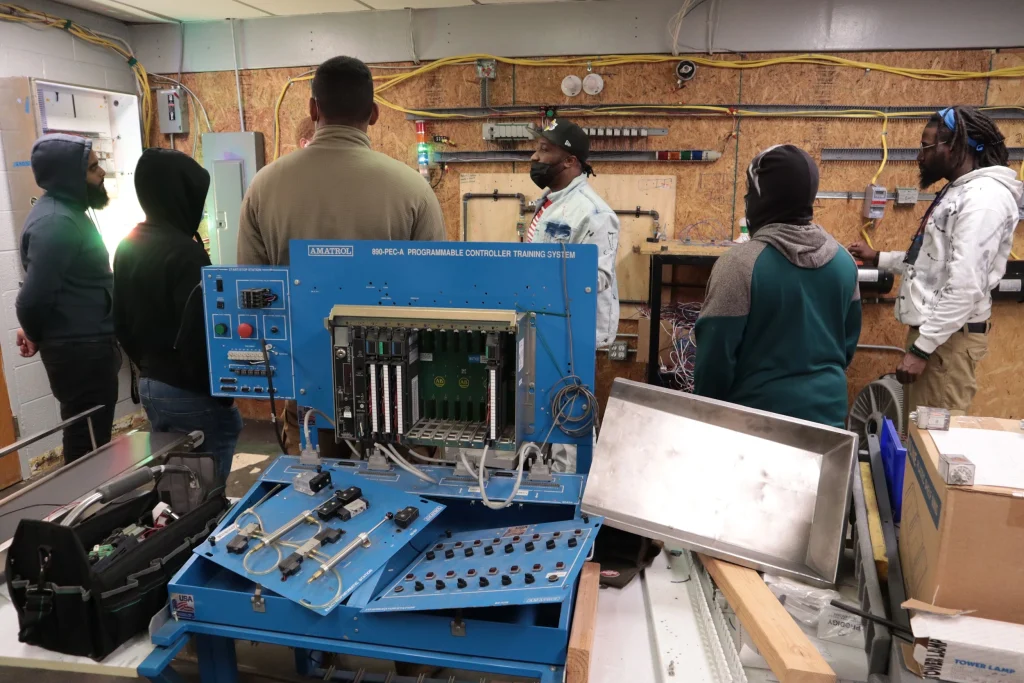
To get into a union apprenticeship, prepare first, then apply strategically. Build core skills in a hands-on program. Earn safety and trade certifications. Meet the entry requirements. Then apply, test, and interview with confidence. This ordered approach answers a common question: how to get into a union apprenticeship without leaving your odds to chance.
The smartest applicants treat training as step one. They do not gamble on a cold application. They build a foundation, then compete from strength. This is the stepping-stone strategy, and it works across trades.
You can start step one by exploring all PTTI programs or speaking directly with admissions about union pathways.
Timelines vary by trade and local. Still, the pattern is clear. Focused hands-on training often takes months, not years. A union apprenticeship then runs several years, with pay rising throughout. Doing trade school before union apprenticeship applications can shorten your wait for a slot. It can also help you enter better prepared.
| Stage | Typical Length | What Happens |
| Hands-on training | Months | Core skills, safety, certifications |
| Application & testing | Weeks to months | Aptitude test, interview, selection |
| Union apprenticeship | Several years | Paid work, raises, journeyworker credential |
Welding, pipe fitting, and construction offer some of the strongest union apprenticeship routes. These trades power infrastructure, buildings, and mechanical systems. Demand stays steady, and union pipelines stay active. Training in one of these fields positions you well for a union path in the Philadelphia region.
Welding runs through nearly every build. Bridges, ships, and structures all depend on it. Strong welders test in more easily when they arrive trained. A structured welding program builds booth time and weld-test readiness. For welders eyeing a union card, that preparation is a real advantage.
Pipe fitters and steamfitters install and maintain mechanical systems. The work is precise and always in demand. Union routes in this trade are well established. Hands-on training helps you enter ready to learn fast. This beginner’s guide to starting pipefitter training with union paths maps the options clearly.
Construction trades keep the region building. Concrete, masonry, and framing all feed active union pipelines. A concreting, masonry, and framing program teaches job-site skills that transfer directly. Employers and unions both value that readiness.
You can apply to a union directly. Many people do. But applying cold puts you at a disadvantage. You compete against trained, certified candidates. Trade school first levels the field and often tips it in your favor. It is the difference between hoping to pass and being ready to perform.
Online videos and self-study have limits. You cannot learn a weld or a fit-up through a screen alone. Hands-on trade school training builds muscle memory. It teaches safety by doing. It prepares you for the real tests unions use. That is why applied learning wins over cold entry.
PTTI’s model centers on real labs and industry-standard equipment. You practice the skills unions screen for. You prepare for certifications that add weight to your application. You also get support connecting to the workforce through career services and relationships with local employers. Students who build skills before graduation enter the union process from a position of strength.
Cost should not stop you either. Explore financial aid options, and if you served, review dedicated veterans’ benefits before you apply.
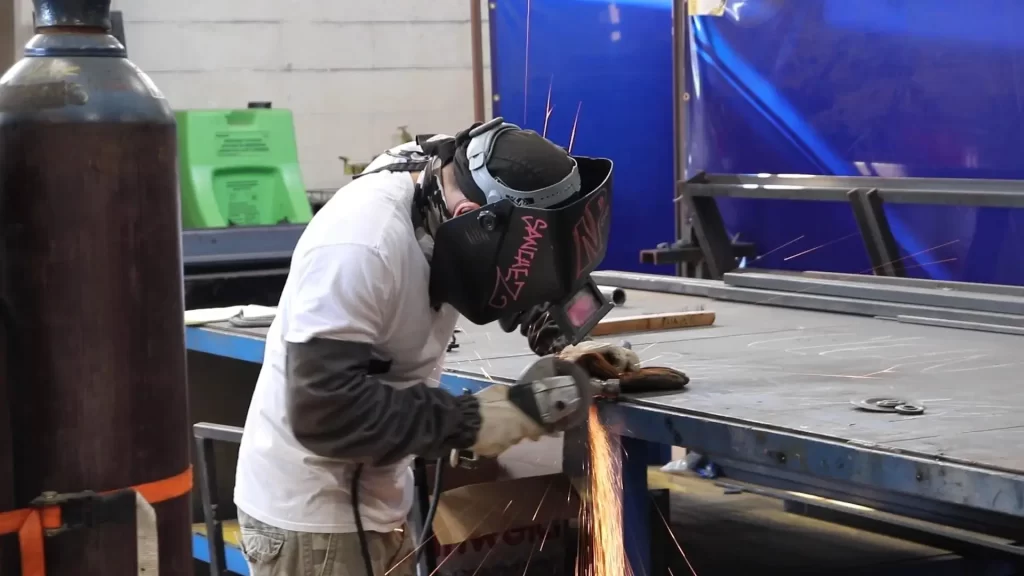
A union apprenticeship rewards the applicants who prepare. The stepping-stone strategy is simple. Train first. Certify. Meet the requirements. Then apply from strength. Choosing trade school before union apprenticeship applications is how you turn a competitive process into a winnable one.
Ready to take step one? Talk to admissions about union pathways, explore the welding and pipe fitting programs, and start building the edge that gets you selected.
Yes. Trade school helps you get into a union by building the skills, safety habits, and certifications unions screen for. You arrive prepared to test in and perform. Hands-on programs at PTTI in welding, pipe fitting, and construction are designed to make you a stronger applicant.
Trade school first is often the stronger move. It builds core skills before you compete for a slot. Completing hands-on training before union apprenticeship applications can improve your odds and shorten your wait. PTTI’s applied programs are built to prepare you for that step.
Most programs require you to be at least 18, hold a high school diploma or GED, and pass a drug screening. Many add an aptitude test and a physical check. Meeting these union apprenticeship requirements with prior hands-on training makes you far more competitive.
Unions look for reliable, safety-minded people who can learn and work well. They value hands-on skills, certifications, and proven commitment. Trade school gives you all three. That is why pre-apprenticeship training programs help so many applicants stand out.
Safety credentials like OSHA training carry real weight, along with trade-specific certifications. They signal that you are job-ready before you start. PTTI’s programs prepare you for the certifications that strengthen both union applications and direct hiring.
Read More