
Imagine walking down Broad Street, looking up at the vast Philadelphia skyline and knowing that you have the powerful hands-on skills to develop, maintain or power this city. If you want to assure a steady future, one of the best things you can do today is get into skilled trade jobs. But as soon as your training is finished, you’re faced with a big fork in the road: Do you join a union, or do you go to work directly for a private contractor?
This decision isn’t just about your first paycheck. It’s the whole foundation for your financial freedom, how fast you climb the ladder, and your whole career in trades. So that you can find out how to get into trades in a way that works best for you, we’ve laid out all the various career paths in detail in this guide.
TL;DR: The Short Version
Before you choose how to get into the trades, you need to know what these two possibilities are. Let’s just define the terms:
Every aspect of your daily life is impacted by your decision to choose between a trade school vs apprenticeship program. Your choice impacts how safe you are day to day, how much is in your bank account in the long run, and how much say you have over your day-to-day schedule.
If you want predictability, the organised aspect of union skilled trade jobs will seem very secure. If you are very autonomous, want to hustle and hate it when someone tells you exactly what you can and cannot do on a job site, then direct employment allows you the ultimate independence to build a lucrative career in trades.
When you select a union path for your skilled trade jobs, you’re opting into a system rooted in collective bargaining—a formal word for a bunch of workers bargaining with bosses together to seek better terms.

If you work in an open shop, you bypass the union hall altogether. Now, you are an independent agent in the open market.
To determine your perfect match and learn how to get into the trades successfully, complete this easy diagnostic plan:
Do you like a more structured textbook-like approach where all the steps are laid out in front of you? If yes, have a good look at union tracks. Are you the type of person who learns best when thrust into circumstances and finds out things on the fly? Direct employment works quite well for this.
Are you OK with the concept of making a fortune every hour, but also sometimes being on a waiting list for a month when the local economy is slow? That’s the union’s way. Or do you prefer a somewhat reduced base salary but the opportunity to find a new job yourself the very following morning? Then choose the direct way to find skilled trade jobs.
If your absolute desire is to have your own firm, hang your own shingle, and lead your own independent crew around the streets of Philadelphia, direct employment gives you a front-row seat to how small business operations work from day one.
Whatever path calls to you as you figure out how to get into the trades, there are things you can do now to distinguish yourself from the pack:
If you are a young person in Philly who wants to get out there, be independent, and have a real career in trades, your very first step is to receive the necessary hands-on training. You don’t need a complex 4-year college degree to produce good money. You need real skills that local employers are dying for.
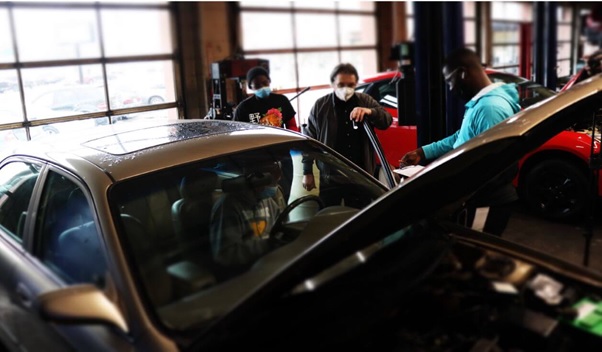
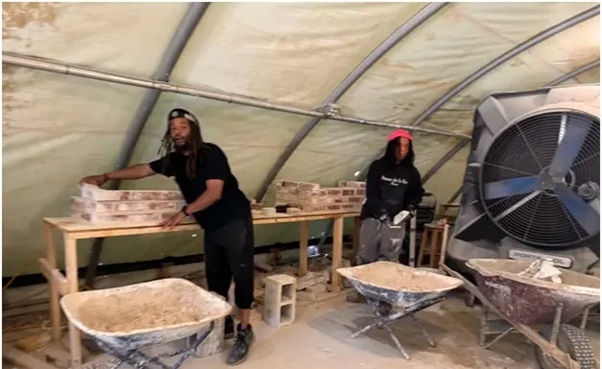
That’s where Philadelphia Technician Training Institute (PTTI) comes in. When analysing trade school vs apprenticeship paths, a technical school cuts out the fluff and teaches you practical, hands-on skills, so you can get field-ready in just six to eight months. Whether you want to master the Welding Technology and Training Program, learn advanced mechanics in the Automotive Technology and Repair Program, or get into building infrastructure through Concreting, Masonry, and Framing — PTTI gives you the real-world practice to walk onto a job site with total confidence.
Even better, they don’t leave you hanging at graduation. PTTI has strong, personal contacts with local Philly employers and offers job placement assistance to help you land those desired, highest-paying trade jobs as soon as you complete your hours.
So, do you want the structured long-term stability of a union road or the instant freedom and fast progress of direct employment? You decide what’s most important to you right now. Neither path is bad, but one will undoubtedly fit your own style and goals more than the other.
Don’t let indecision keep you stuck in a dead-end career that pays little. Take control of your future today! Visit the Philadelphia Technician Training Institute (PTTI) admissions page and talk with a friendly counsellor. Have a look at their flexible program offerings and take that first serious step towards solid, highest-paying trade jobs to be proud of!
Q: Trade school vs apprenticeship. Which is better for securing skilled trade jobs?
A: A great trade school program like PTTI provides concentrated, hands-on instruction rapidly (typically in only six months) so you may gain immediate skills and certificates. This quick training puts you in a very competitive position, whether you want to go immediately to private open-shops or utilise your credits to apply for a competitive union apprenticeship.
Q: How do I really learn to enter the trades in Philly?
A: The quickest way is to sign up for a local accredited technical program. You choose an area of concentration like welding, pipefitting or automobile repair and spend a couple of months learning the tools and safety requirements. Then you can network with hiring managers or union reps directly through your school’s career services.
Q: Are union-skilled trade employment necessarily better paying than non-union jobs?
A: Yes, generally. Union contracts negotiate for higher base salary and package benefits. But an extremely skilled, hard-working technician can occasionally make the same or even more money over the years in a direct employment environment by getting quick, merit-based promotions or by moving into establishing their own successful contracting firm.
Q: Can I go from direct employment to a union pathway later in my career?
A: Definitely. Many tradesmen start out working for direct private contractors to build up their first field experience, learn different skills, and acquire a sense for the local sector. After they’ve logged a few years of confirmed experience, they can apply to join a local union as an experienced installer or journeyman.
Read more: