
Your very fastest ticket to getting on a demanding, high-paying industrial job site in Philadelphia is the skilled trade certifications. Picture yourself stepping onto a bustling industrial work site in Philadelphia, hearing the roar of heavy equipment, and knowing this is where you fit. You’re ready to develop a meaningful profession, become financially independent, and make a fantastic livelihood with your hands.
But looking at the road ahead, you’re soon immersed in an alphabet soup of abbreviations. OSHA, NCCER, ASE, CRCST – it’s like a whole foreign language.
Choosing the wrong training path wastes your hard-earned cash and months of your time. If you want to avoid the student debt issue and get a stable, secure profession, you need to know which skilled trade certifications will actually help you get hired.
TL;DR: The best skilled trade certifications depend totally on the exact industry you wish to work in. OSHA and NCCER Cards are the foundation of the construction and heavy industrial industries. ASE is the gold standard you must have to work on today’s automobiles. CRCST is the key to clean, steady, in-demand medical settings.
Companies don’t hire you on a big theoretical essay. They hire you for the job because you can perform it safely from day 1 without breaking expensive gear or harming yourself.
Skilled trade certifications are a validated mark of competency. This demonstrates to local hiring managers that your knowledge has been challenged and that your practical abilities have been validated by an impartial national organisation.
These qualifications are your express lane to high-paying skilled trade jobs all throughout Philly. They cut through the noise of a congested job market and put you at the front of the line. In fact, the financial payoff is immediate: a skilled trade worker who obtains an industry certification can earn up to 20 percent more annually than non-credentialed peers.
Investing in targeted, short-term vocational certifications lets you skip years of general education and focus entirely on the particular abilities that bring top cash. Let’s unpack the four primary certification systems so you may choose the one that suits your life goals.
The Occupational Safety and Health Administration (OSHA) is the government agency that helps preserve worker safety on the job.
Pennsylvania’s big construction companies won’t let you past the security gate without an OSHA 10-hour card in your wallet. It teaches you how to recognise deadly job site hazards, how to work with scaffolding, and how to safeguard your body from work accidents. This is potent because securing competitive, skilled trade jobs requires addressing safety as a key competence.
An authorised training provider can provide you with a card once you complete an official 10- or 30-hour safety course. These programs culminate with a brief knowledge test to demonstrate your understanding of federal safety regulations.
The National Centre for Construction Education and Research (NCCER) creates standardised, step-by-step training curricula for dozens of different craft disciplines.
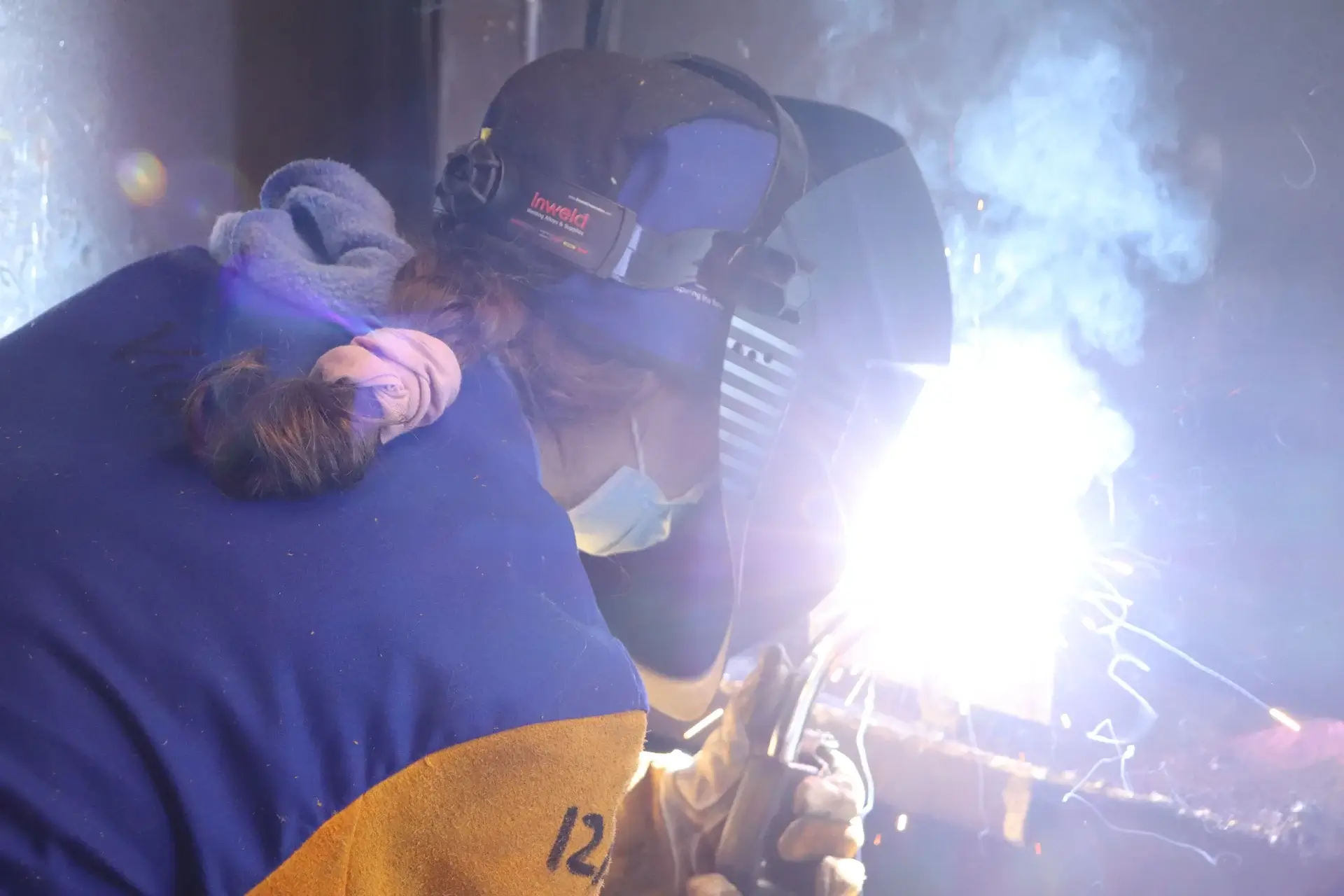
When a big contractor discovers you have an NCCER accreditation on your application, they immediately know exactly what you are capable of. Your successes are entered into a secure national database, so companies may promptly verify your training without ever making a phone call. It is one of the most direct routes to climb the ladder to the highest-paying trade specialties, such as industrial welding or commercial pipefitting.
You earn these credentials through the enrollment procedure in an approved trade school program that contains the official NCCER curriculum. You have to pass a written test and a practical demonstration by an acknowledged tutor.
Automotive Service Excellence (ASE) is the independent, not-for-profit organisation that tests and certifies automobile repair professionals across North America.
Modern cars are like supercomputers on wheels. Mechanics can’t just be guessing what’s wrong under the hood. They need to know about electrical diagnostic work, advanced braking mechanics, and intricate engine systems.
The ASE accreditation is a key that opens the door to some of the highest-paying trade jobs in today’s dealerships and independent repair networks. Without it, you’ll probably be stuck with simple oil changes and tyre rotations.

To be fully ASE certified, a technician must pass a tough, proctored multiple-choice test and have two years of full-time work experience.
This is where enrolling in a focused program such as the Automotive Technology and Repair Program at PTTI will provide you with the direct, hands-on shop practice you need to master those examinations early in your career.
The Certified Registered Central Service Technician (CRCST) classification is the industry’s most respected professional standard in the medical sterile processing field.
Medical equipment must be sterile and absolutely clean for hospitals and surgical centres to function. Behind the scenes, sterile processing technicians are cleaning, inspecting, disinfecting and assembling surgical instrument trays.
The industry provides a great route to a well-paid, stable profession without the necessity for a four-year medicine degree. It offers a clean, well-organized working atmosphere and skilled trade jobs in major Philadelphia area healthcare networks.
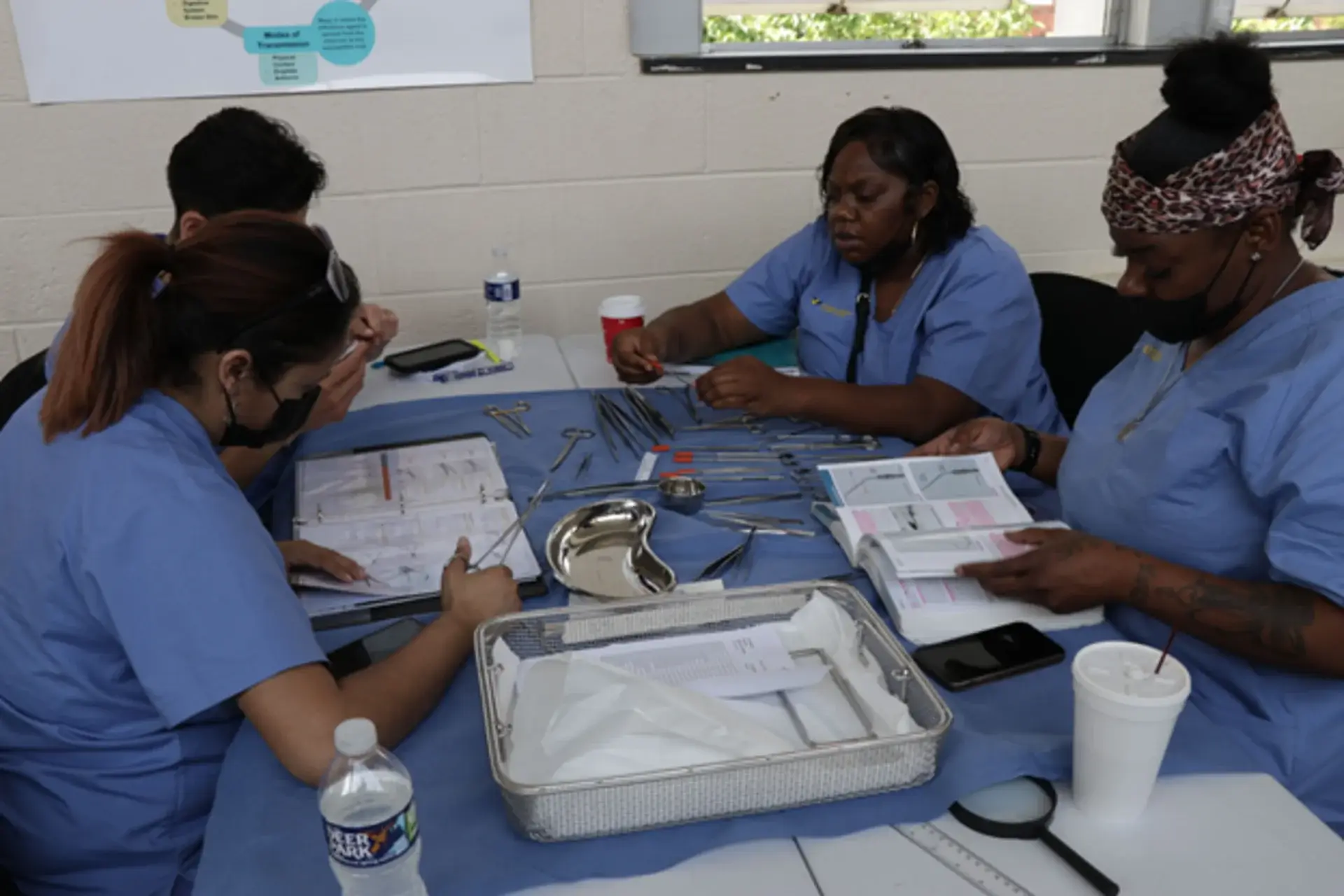
To obtain this designation, you must pass a 125-question computer-based exam and 400 hours of verifiable, hands-on clinical practice in a hospital department.
A technical track like the Central Processing and Service Program connects your training to these stringent medical standards, so you can earn your needed clinical hours without getting stuck in bureaucratic red tape.
Choosing the proper skilled trade certifications is about choosing the right job environment that fits your personality and your financial goals. Testing your skills to earn specific skilled trade certifications will quickly unlock stable career opportunities.
| Certification | Primary Industry | Career Stage | Best For |
| OSHA 10 / 30 | Construction / Manufacturing | Day One Requirement | General job site safety knowledge |
| NCCER | Building Trades / Piping | Career Advancement | Skill levels that can be verified |
| ASE | Automotive Service | Excellence Professional Proficiency | Master tech jobs and dealerships |
| CRCST | Health Care Infrastructure | Professional Mandate | Surgical processing, sterile |
Don’t make the mistake of gathering random certifications only to fill out a résumé. Concentrate on gathering the skilled trade certifications that local employers really want. If you stack multiple skilled trade certifications, you make yourself incredibly versatile on an industrial job site.
Purposeful, planned action is the key to a successful career in the trades. Don’t become stuck in a state of perplexity or analysis paralysis and wind yourself in a poorly paid dead-end job. When local companies are looking for reliable labour, having verified skilled trade certifications helps you stay competitive.
Look long and hard at the above-mentioned industries. Decide whether you wish to work on a busy construction site, solve complicated mechanical riddles under an automotive hood, or assist life-saving surgeries in a clean medical atmosphere.
Once you have selected your course, get in touch with an established local training centre like Philadelphia Technician Training Institute (PTTI). The experiential trade school programs are carefully designed to take you along these very certification tracks to help you achieve a steady life of real financial freedom. Spending time earning your skilled trade certifications now guarantees stability for your entire professional future.
Q: What are the highest-paying trade jobs for young people?
A: Heavy industrial welding, commercial pipefitting, and specialised automotive diagnostic work are always at the top of the list.
Q: How to land skilled trade jobs without credentials?
A: You can find the occasional informal low-wage labourer work, but commercial companies of today need verifiable credentials. Safety cards and baseline industry qualifications protect the organisation and get you a higher starting wage.
Q: How long does it take for short-term vocational certifications?
A: Most of the hands-on training for vocational programs is intensive and can be finished in six to eight months. This permits you to join the active workforce and start earning an independent livelihood at a far quicker pace than a typical multi-year education track.
Q: Do online OSHA training courses count on commercial work sites?
A: Yes, if the online course is offered by an OSHA Outreach training provider authorised to teach the course. Always check for an official plastic wallet card from the Department of Labour following completion of the program.
Read more: