
PTTI trade school students are in demand. Many companies are looking for people who have hands-on experience and technical skills. PTTI trade school students learn by doing things which’s what employers want in today’s workforce. They get the skills they need to succeed in industries that are growing.
At the Philadelphia Technician Training Institute PTTI trade school students get hands-on trade training that prepares them for work environments. They learn skills, safety procedures and problem-solving methods that employers value in industries.
Many industries hire PTTI trade school students because skilled workers are always in demand. Some industries that hire trade school students include technology, welding, construction trades, maintenance and manufacturing operations. These industries need people with skills, technical knowledge and workplace readiness.
As labor shortages continue to affect industries, employers are recruiting trade school graduates who already have hands-on experience.
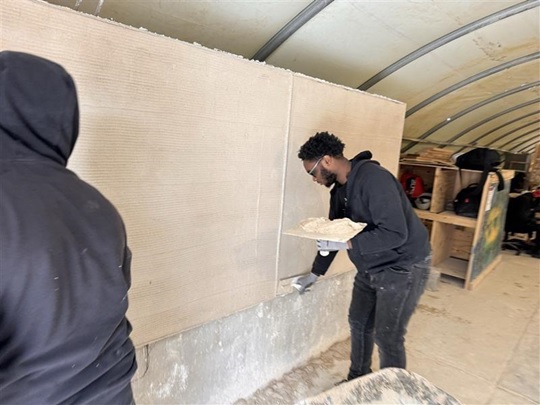
Hands-on trade training is one of the things that vocational education Philadelphia programs offer. PTTI trade school students participate in learning by doing things, not just sitting in a classroom. Students work directly with tools, machinery, technical systems and equipment used in workplaces. This type of education prepares trade school students for work environments.
Employers want workers who can operate tools safely, follow instructions, solve problems efficiently and maintain standards. Because hands-on trade training focuses on these skills PTTI trade school students often enter the workforce prepared than job applicants.
At the Philadelphia Technician Training Institute students learn skills that are designed for workforce demands. Programs are structured to help students understand workplace expectations, industry standards, safety requirements and technical responsibilities. Employers prefer candidates who already have knowledge because it reduces training time after hiring.
As a result many companies recruit in this trade school before they graduate. This is an opportunity for PTTI trade school students to get a head start on their careers.
Many employers recruit PTTI trade school students before they graduate because companies need trained workers. Employers often look for entry-level technicians, maintenance assistants, construction support workers, manufacturing employees and technical trainees. Companies hire trade school students before graduation because hands-on experience and technical skills are very valuable.
This preparation makes students more attractive to employers who are looking for workers who can contribute quickly.

The career services team at the Philadelphia Institute supports trade school students throughout the job search process. Career services may assist with resume preparation, interview practice, employer networking, career guidance and job search assistance. These services help trade school students present their skills professionally while improving their confidence during interviews.
Additionally employer networking opportunities help students connect with companies that are hiring workers.
Philadelphia is a center for construction, manufacturing, industrial operations, transportation systems and utility services. Because of continued growth, skilled trades careers in Philadelphia industries continue to create demand for trained workers. Some skilled trades careers in Philadelphia that employers offer include construction, manufacturing production, facility maintenance, mechanical installation, utility operations and industrial support roles.
As the city continues to grow, trained technical workers are essential for keeping industries running efficiently. Consequently vocational education Philadelphia programs continue to create career pathways for students entering industries.
Employers look for workers with abilities, not just academic qualifications. Some important workforce skills include equipment troubleshooting, mechanical understanding, electrical system knowledge, safety compliance, team collaboration, technical communication and time management. Employers also value workers who can quickly adapt to changing technologies and workplace systems.
Because hands-on trade training focuses on these skills PTTI trade school students are often better prepared for workforce responsibilities. This gives them an edge in the job market.
Vocational education Philadelphia programs usually take more time than traditional four-year college degrees. This shorter path to employment provides benefits such as income opportunities, lower education costs, earlier work experience, reduced student debt and faster career development. Many students choose education because it provides entry into stable industries.
Additionally skilled trades careers often offer advancement opportunities, industry certifications, long-term wage growth and career stability. This is an option for trade students who want to start their careers quickly.
Employer networking is an advantage of trade school education. Vocational schools often maintain relationships with employers through hiring events, employer visits, student recommendations, industry partnerships and recruitment opportunities. Because of these networking opportunities many trade students gain access to employment opportunities before graduation.
Employers frequently prefer candidates who already understand work environments and workplace expectations. This is why employer networking is so important for PTTI trade school students.
Hands-on experience is one of the advantages of training. Employers want workers who can perform job tasks not just rely on knowledge. Practical training allows students to build confidence, improve troubleshooting skills, practice safety procedures, understand workplace systems and gain equipment familiarity.
This training improves workforce readiness. Helps trade school students transition successfully into skilled trades careers in Philadelphia industries.
Some people think that trade careers do not offer advancement opportunities. However technical industries often provide long-term growth potential. Experienced workers may eventually move into leadership positions, technical specialist roles, maintenance supervision, project coordination, equipment inspection or independent contracting.
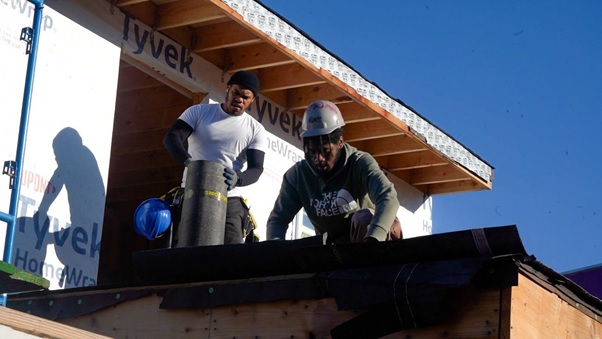
As industries continue to modernize, workers with updated skills become increasingly valuable. Because of this vocational education continues to support long-term career development for PTTI trade school students entering industries.
Many students choose vocational education programs because they prefer hands-on learning, industry-focused instruction, technical skill development, shorter training timelines and career-oriented preparation. Many students also prefer learning environments where practical work replaces lecture- classrooms.
As workforce shortages continue to affect industries, vocational education remains one of the pathways into careers. This is why vocational education continues to grow in popularity.
Skilled trades industries continue to create employment opportunities for trained workers throughout Philadelphia and the surrounding areas. At the Philadelphia Technician Training Institute, hands-on trade training and technical education help PTTI students prepare for real-world industry demands.
Through learning and technical skill development, PTTI trade school students build qualifications that employers actively seek. As labor shortages continue to impact construction, manufacturing, maintenance, and technical industries, trade school graduates remain in demand.
For Philadelphia students seeking workforce entry, practical technical skills, and stable career opportunities, vocational education remains a pathway into growing trades industries.
Read More Blogs :