
In 2026, many people want a work that feels real, useful, and secure in changing times. A skilled trades career gives that mix of stability, pride, and practical growth that many office roles cannot match. Employers still need electricians, welders, HVAC technicians, mechanics, and construction workers to keep homes, roads, and businesses running every single day.
The U.S. economy is expected to keep adding jobs over the coming decade, and trade roles remain part of that long-term demand for hands-on work. According to the U.S. Bureau of Labor Statistics, total employment is projected to rise from 164.5 million in 2022 to 169.1 million in 2032, an increase of 4.7 million jobs and 2.8 percent overall growth. This steady expansion supports real opportunities for people entering or advancing in skilled roles.
As older tradespeople retire, younger workers who complete skilled trades training are stepping into positions with clear paths to better pay and responsibility. The mix of technology, infrastructure projects, and energy transitions is pushing steady demand for those who can install, maintain, and repair physical systems. Workers who commit to learning a trade now can ride that demand through the next decade with confidence.
A skilled trades career allows a person to see the results of their work at the end of each day. Instead of staring at screens for hours, tradespeople build homes, keep machines running, fix vehicles, and maintain power and water systems for communities. They solve real problems for real people, which brings a sense of pride that many find deeply satisfying.
This kind of work also builds strong problem-solving habits, because every job site or repair call looks slightly different. Hands-on tasks demand quick thinking, safe decision-making, and practical creativity in ways that classroom-only roles may not. People who complete skilled trades training often discover they grow more confident as they handle complex repairs, read blueprints, or diagnose tough system faults.
Over time, that confidence and skill set can open doors beyond basic entry-level work. Experienced technicians may become crew leaders, estimators, trainers, or independent contractors in their field. Their daily impact in homes, factories, and public spaces keeps them closely connected to the communities they serve, and that connection often becomes a major reason they stay in the trade.
Faster Path from Classroom to Paycheck
Many students worry about spending several years in college before earning a full-time income. In contrast, trade school programs usually focus on shorter, targeted learning that prepares people to work sooner. These programs often emphasize hands-on labs, shop time, and real equipment instead of long lecture-only sessions.
This practical approach means students move quickly from theory to real tasks they will use on the job. Some trade school programs partner with local employers or unions, helping students find apprenticeships or entry-level roles before graduation. That structure can shorten the time between finishing training and earning a steady paycheck in the field.
For many families, lower tuition and shorter training time count among the major trade school benefits. Instead of leaving school with heavy debt and uncertain job prospects, graduates of skilled trades training often step into roles where they can grow their income year after year. They build experience while their peers may still be sitting in lecture halls or searching for their first position.

Anyone choosing a path in 2026 should weigh trade school pros and cons carefully. On the positive side, trade school benefits include focused learning, smaller class sizes, and clear alignment with real jobs in construction, automotive, electrical, and mechanical fields. Many programs bring in instructors who have worked in the trade for years, so students learn techniques and habits that match modern job sites.
Another key benefit is flexibility. Some trade school programs offer evening or weekend classes, which help working adults change careers without losing all current income. This flexibility matters for people supporting families or shifting from unstable part-time work into a more reliable path. The clear structure of skilled trades training also makes it easier to see what skills will be gained each term or semester.
On the other hand, trade school pros and cons do include a few tradeoffs. Trades often demand physical effort, outdoor work, or irregular schedules that not everyone enjoys, especially in extreme weather regions. Students also need to understand that tools, safety gear, and certification fees can add to the total cost over time, even when tuition is lower than university programs. Still, for many, these factors remain manageable compared to long university commitments.
In a world of automation and remote work shifts, people worry about which roles will stay relevant. Many trade positions continue to resist automation because they involve complex, site-specific tasks in varied environments. Machines cannot yet fully replace electricians climbing ladders, plumbers solving unique pipe issues, or HVAC technicians diagnosing live systems in different buildings.
Government data support the idea that hands-on careers will keep playing a large role in the economy. The Bureau of Labor Statistics projects overall employment to grow by 4.7 million jobs between 2022 and 2032, reflecting continuing demand across sectors that rely on both knowledge and physical work. Even as some industries shrink, infrastructure repair, housing needs, and energy upgrades keep drawing on skilled workers.
People who commit to skilled trades training can therefore expect a wide range of opportunities over many years. They may shift from residential work to commercial or industrial projects as markets change. Their foundational skills in reading plans, using tools, and following codes transfer across companies, states, and even countries in some cases. That flexibility becomes a powerful hedge against economic swings.
Earning Potential and Growth Over Time
Income matters to every worker, and a skilled trades career can offer strong earnings, especially after the first few years. While starting wages may be modest, many trades include built-in raises as workers gain certifications, complete apprenticeships, or move up to journeyman and master levels. That clear ladder helps many people set realistic financial goals.
Trade workers often have chances to increase earnings by taking overtime, night shifts, or specialized projects. Those who stick with skilled trades training and pursue advanced skills such as industrial controls, energy-efficient systems, or advanced welding often command higher pay. Their value to employers grows as they show reliability, safety awareness, and the ability to mentor newer workers.
Over time, experienced tradespeople may choose to start small businesses or work as independent contractors. At that stage, the earlier trade school benefits and on-the-job learning pay off in the form of greater freedom over schedules and project choices. Many small contractors build strong local reputations and enjoy long-term client relationships that support both financial stability and personal satisfaction.
Beyond pay and job outlook, people often choose trades for lifestyle reasons. Many value the chance to move during the day, work with their hands, and avoid sitting for long periods. They appreciate learning by doing, which is exactly how skilled trades training is designed. Shop classes and lab work create an active learning environment that suits practical-minded students.
Others are drawn to the independence that comes with trade work. After enough experience, many technicians and craftspeople handle work orders on their own, solve problems in the field, and manage their time with less direct supervision. That sense of trust and autonomy can be hard to find in more tightly controlled office environments.
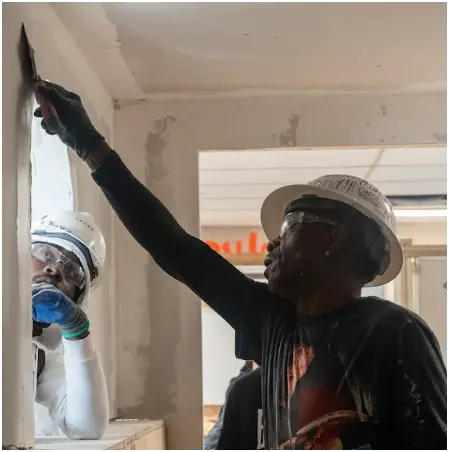
Students thinking through trade school pros and cons should picture their ideal day at work. Those who prefer variety, changing locations, and visible results will often feel more at home in trades than in strictly desk-based careers. With thoughtful planning, trade school benefits can line up very well with long-term personal goals and family needs.
Picking the right direction inside the trades world starts with honest reflection. People should think about whether they enjoy mechanical systems, construction, vehicles, climate control, or specialized equipment. They can then look for trade school programs or apprenticeships that match those interests, while also considering local demand in their region.
It helps to talk with working tradespeople, visit nearby campuses, and ask instructors about schedules, certification steps, and local hiring trends. Prospective students can ask how trade school benefits play out in real life, such as job placement support or employer partnerships. They should also discuss any long-term costs, like tools and continuing education, to avoid surprises.
Once a student chooses a path, staying committed through the early months of skilled trades training makes a real difference. The first stages of learning safety rules, basic tools, and codes can feel demanding, but they lay the foundation for an entire working life. With consistent effort and the right support, a skilled trades career started in 2026 can remain rewarding and resilient for decades to come.
Read More: