
Electricians now have a new job: a smart home installation career. In fact, the way people think of electricians is changing more quickly than ever. They don’t just pull wires through studs or fix blown fuses anymore. Instead, today, the sector is going through a huge change toward automation and connectivity.
Consequently, one of the best ways for modern tradespeople to make money is to work in smart home installation. As homes get “smarter,” there is a huge need for people who can talk to both high-voltage power and low-voltage data.
Essentially, the modern electrician is becoming a home automation technician. This job demands a unique mix of physical work and computer skills. While the main part of the job is still based on electrical theory, the application has changed to system integration.
In this new age, you’re not just putting in a light switch; rather, you’re putting in a node in a network. This node has to talk to a central hub, listen to voice commands, and perhaps even change its brightness depending on the time of day. This is exactly why the smart home installation service field is expected to grow at a CAGR of 25% over the period.
The “why” is straightforward: demand and long-term viability. Furthermore, people who own homes are no longer happy with manual controls. They want security systems that are integrated, lights that use less energy, and entertainment systems that work together.
The move toward green energy around the world is a big reason why people want to get into a smart home installation career. Currently, electricians are leading the way in the “Energy Transition.” This is more than simply smart bulbs; it also has:
If searching for a new electrician job in Philadelphia, you need to have these green tech abilities. As a result of these new technologies being added to the city’s historic infrastructure, it is a great place for those who have finished a modern electrical trade program in Philadelphia.

It is important to note that it doesn’t happen overnight that an electrician can go from working on homes to smart homes. Specifically, you have to change the way you think from “circuit thinking” to “system thinking.”
The most important part of a smart home installation career is system integration. You need to know how high-voltage power feeds the devices, but more significantly, you need to know how low-voltage data lines (like Cat6) or wireless protocols (like Zigbee and Bluetooth) let them talk to each other.
Previously, troubleshooting meant looking for a loose neutral or a breaker that had tripped. In contrast, for a home automation technician, this typically involves figuring out why a smart lock won’t connect to a bridge or why a firmware update didn’t work. Thus, you will spend as much time on an iPad or laptop as you do with a multimeter.
Choosing the correct foundation is quite important if you’re just getting started. To achieve this, you may get the hands-on experience you need for both old and new systems by signing up for a renowned electrical trade program in Philadelphia, like the one offered by Philadelphia Technician Training Institute. The program focuses on real-world applications so that when you start a smart home installation career, you’re not simply a theorist; you’re a doer.
You need more than just wire strippers to be a good home automation technician. On the contrary, you need a specialized set of talents.
Above all, you need to know a lot about Wi-Fi networking to work in smart home installation. You should know about:
The National Electrical Code (NEC) is still the best, even with all the high-tech tools. A transition from residential electrician to smart home integrator means you are still responsible for fire safety and load calculations. Therefore, even if a technician is using automation, they still have to observe strict safety rules.
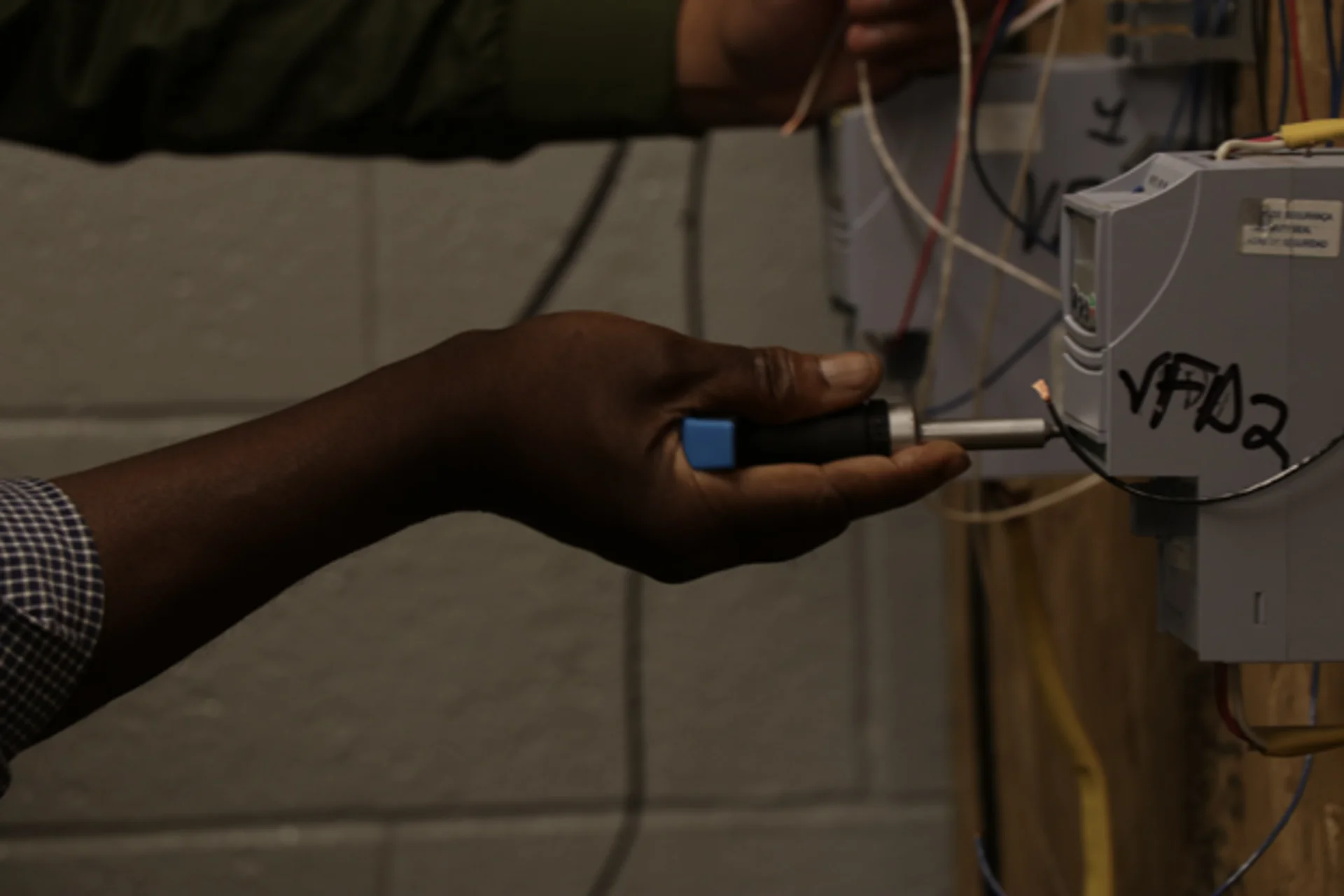
The market for a new electrician job in Philadelphia is moving toward more specialized work. Nowadays, general contractors want subcontractors who can take care of the “smart” part of the job.
If you’re looking for a new job as an electrician in Philadelphia, make sure to mention that you can program Control4, Lutron, or Crestron systems. In doing so, these certificates set your resume apart from those of other wiremen.
Here are the tips:
There are so many smart goods that it might be hard to keep track of them all. For this reason, if you get into a smart home installation career, a good idea is to learn one ecosystem well first. Ultimately, spend a year being the “go-to” expert on that brand, whether it’s Google Nest, Amazon Ring, or a professional-grade system like Savant.
Every six months, the tech changes. Clearly, it’s not a one-time thing for electricians to learn new skills; instead, it’s a way of life. Moreover, keep an eye on Matter (the new smart home standard) and how AI is starting to control the energy use in homes.
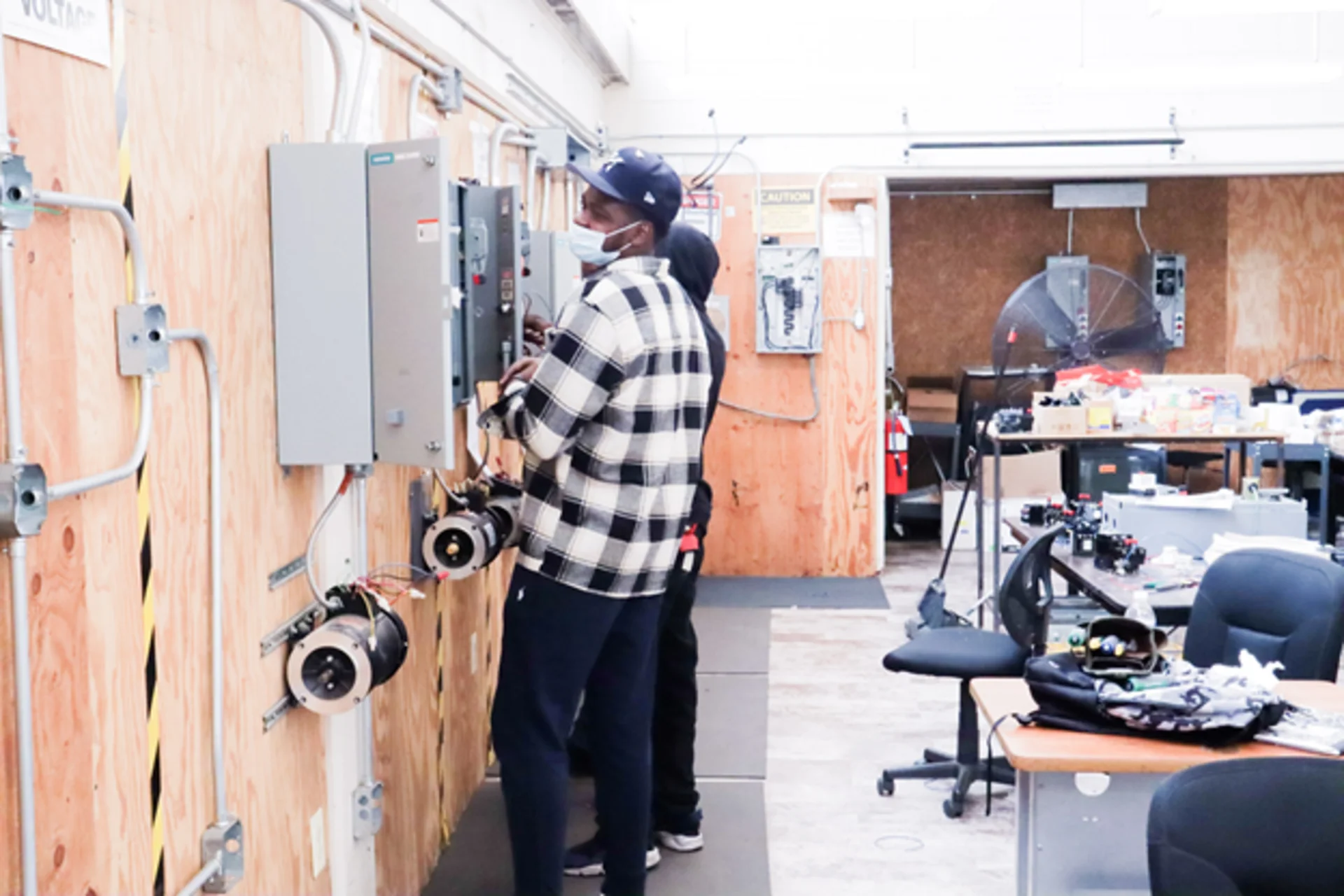
Despite the benefits, a lot of veterans find it hard to transition from residential electrician to smart home integrator, because of the “software” part. Here’s how to fix that:
The answer is to learn how to use the “Network First” method. Specifically, before adding any smart devices to the home, make sure the internet backbone is very strong.
The answer is that becoming a teacher is part of a smart home installation career. Make the UI easier for the customer to use so they don’t feel overwhelmed.
To summarise, the smart home installation career is the perfect mix of hands-on work and new technology. As we’ve seen, the transition from residential electrician to smart home integrator is a way to make more money, work in better conditions, and stay relevant in a changing industry. The future is bright for you, whether you’re seeking a new electrician job in Philadelphia or just starting an electrical trade program in Philadelphia. It’s absolutely “smart.”
As the “Energy Transition” speeds up, the need for home automation technicians will only expand. You can make sure that your smart home installation career is both profitable and long-lasting by focusing on training electricians and keeping safety standards high. Don’t get stuck in the past; the digital ceiling is wide open.
A: Essentially, if you join a smart home installation career, you will set up, configure, and keep up with connected devices, including smart lighting, security, and HVAC controls. You need to know both how to wire things the old-fashioned way and how to use new networking protocols.
A: First, you need to have a good understanding of electricity before you can become a home automation technician. Following this, the first step is to sign up for an electrical trade program in Philadelphia. After that, you should get specific qualifications in networking and IoT.
A: Yes, there are a lot of openings for electricians in Philadelphia right now. This is especially true for people who work with smart technology and EV charger installations, since the city wants to build more energy-efficient homes.
4: After working as a residential electrician, what are the advantages of becoming an integrator for smart homes?
A: You can try charging more and be competitive if you become a smart home integrator rather than a residential electrician. Skills in integrated technology may become more valuable than those in basic electrical work as the Internet of Things (IoT) becomes more widely used in households.
Read more: