
Green jobs are the heartbeat of Philadelphia’s modern urban recovery as the city undergoes a quiet, structural transformation. Have you noticed that Philadelphia has changed in some way recently? It’s not simply the new buildings; rather, there’s a silent, fundamental change going on inside our old row homes.
In fact, in 2026, green careers are actually making communities the vanguard of urban renewal. Now it’s about a complete “Green-Collar Renaissance” and no longer simply about fixing an outdated air conditioner.
Specifically, with billions of dollars in federal assistance, a new generation of “Climate Heroes” is stepping forward to protect our city from the heat while lowering the high energy bills in North and West Philly.
Furthermore, let’s talk about money, because that’s what is really making this transition happen. The Inflation Reduction Act (IRA) is no longer just a headline; it’s a lifeline for people in the area. To put it another way, federal programs like the Greenhouse Gas Reduction Fund are making these green jobs possible in Philadelphia.
Consequently, families in low-income zip codes are finally receiving relief thanks to the Penn Energy Savers Program. Think about having a house retrofit that costs 80% to 100% less than it would otherwise. In addition, the “Justice40” program is sending 40% of these benefits to places where energy prices used to take up 6% of a family’s income.
By the same token, they are making sure that no one gets left behind in a heat wave because of their zip code by supercharging the Weatherization Assistance Program (WAP).

If you assume that the skilled trades are all about wrenches and grease, you should think again. On the contrary, the modern technician is more like a high-tech protector of public health. In addition, a well-sealed home isn’t a luxury anymore; it’s a safety net as our summers get hotter. This change is why HVAC training in Philadelphia looks so different now than it did ten years ago.
What does a “Climate Hero” really do? To be precise, they monitor the air pressure and look for “invisible” leaks with infrared cameras. Along with this, they also check to make sure that when we seal a house, we don’t trap mold or lead within. As a result, a lot of people who got into the area through clean energy apprenticeships are now professionals in “Electrification,” which means replacing aging fossil-fuel furnaces with high-efficiency heat pumps.
Additionaly, the Philadelphia Technician Training Institute (PTTI) is a great place to start if you want to work in a field that really makes a difference. Essentially, we provide hands-on workshops that go beyond simple repairs and focus on the eco-friendly technology that is the basis of many modern green jobs.
The “gap” that everyone complains about in the job market? Fortunately, trade schools are bridging it right here in Philadelphia. In particular, many local trade schools are setting the standard by putting sustainability ahead of old-fashioned upkeep. This kind of specialized instruction has become a national center for us.
Additionally, these vocational schools don’t just teach you how to “fix it.” In other words, they are showing you how to bring a whole city up to date. These programs work with the Philadelphia Energy Authority to make sure that graduates get green jobs that pay well and come with important industry certifications.
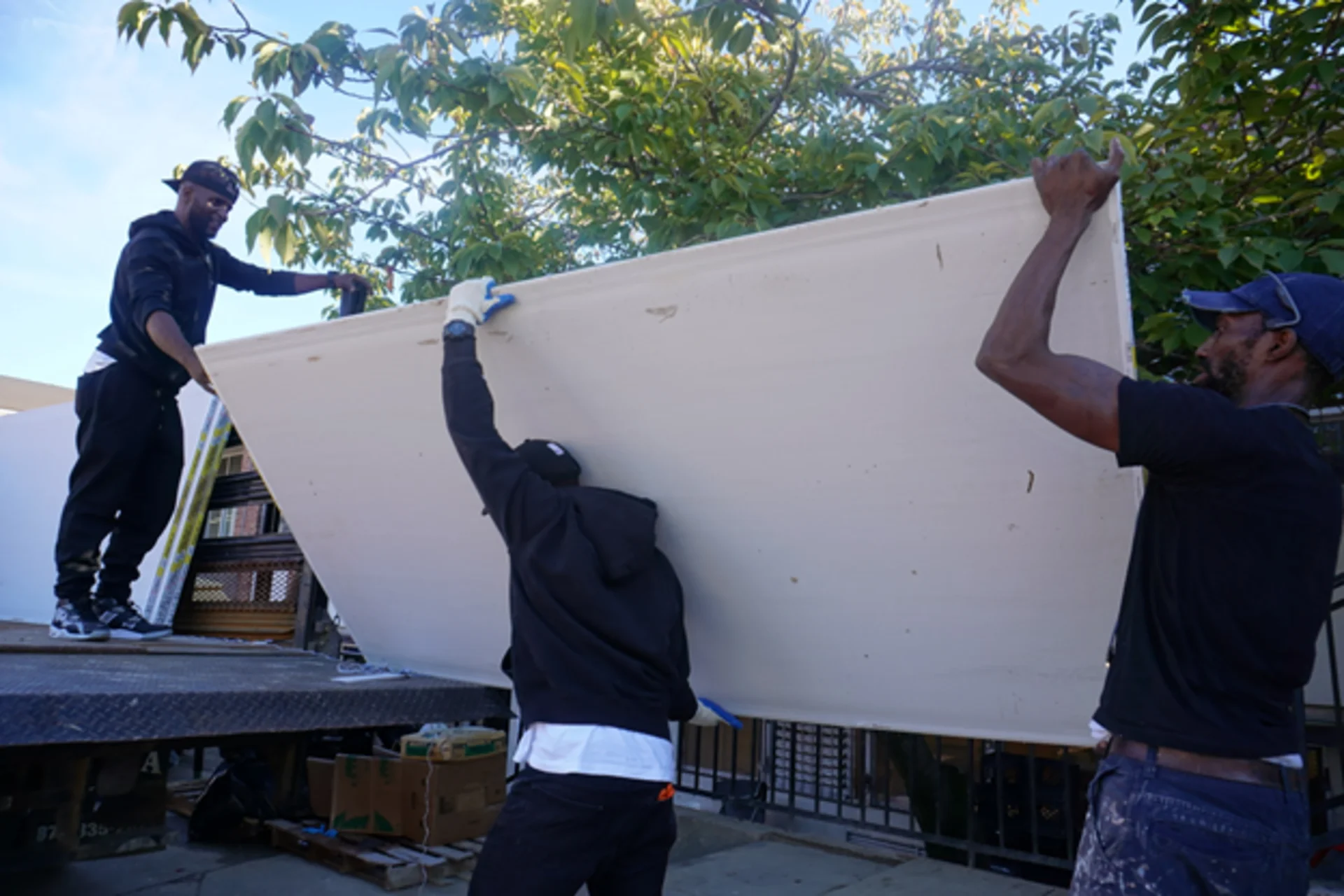
The Weatherization Assistance Program is a big part of the puzzle. It gives our older structures the technical “muscle” they need to work well. However, here’s the deal: we need additional folks to help out! This is why so many people want to work in clean energy apprenticeships.
For example, when a contractor comes into a home under the Weatherization Assistance Program (WAP), they have to conduct a lot of complicated work with both air flow and electricity. As a result, the focus of HVAC training in Philadelphia has now turned to these integrated systems. Similarly, PTTI and other places get you ready for these issues by educating you how to work with Philadelphia’s distinctive architecture while implementing 21st-century technology.
By 2050, Philadelphia aspires to have no carbon emissions. To achieve this, the small rowhome must be the unit of change in order to get there. In its most practical and hands-on form, weatherization is “climate adaptation.” We are making the whole city stronger by lowering the energy load of our oldest structures.
Because there are so many sustainable or clean energy apprenticeships, our local workers are leading the way. In short, if you want to start a green career without getting into a lot of school debt, these “earn-while-you-learn” models are great. There are more and more people going to trade schools because they know that green jobs are the future of the American workforce.

Ultimately, the Green-Collar renaissance is showing us that we don’t have to choose between a healthy world and a strong economy. Philadelphia is working on both the climate catastrophe and the opportunity gap by focusing on green jobs. In the final analysis, the Weatherization Assistance Program (WAP) and today’s specialised HVAC training in Philadelphia are two of the resources we have already at our disposal that can help us improve our future.
Above all, Philadelphia’s renewable energy system is prepared, whether you’re a resident looking to lower your utility costs or an undergraduate seeking a meaningful employment opportunity. So, when we participate in clean energy apprenticeships, we are doing more than just fixing up buildings. For the next century, we are also making the city more equitable and cooler.
So, we’re not simply restoring buildings when we join clean energy apprenticeships. We’re also making the city cooler and fairer for the next hundred years. The skilled trades are entering a new era, and it looks good.
A: You can apply through the Pennsylvania Department of Community and Economic Development or local groups like the ECA. Usually, it’s determined on how much money you make at home, so check the most recent rules for 2026 to see whether you qualify!
A: Green occupations are all about making the world a better place. A green-collar professional would build a greywater system or a high-efficiency heat pump to conserve water and energy, whereas a regular plumber might mend a leak.
A: There are a lot of wonderful choices, but PTTI is highly recommended because it focuses on modern, sustainable technology and has a hands-on approach. Indeed, we truly help connect what you study in school with what you do well at work.
A: Of course! A lot of programs in Philly let you “earn while you learn.” This implies that while you learn the skills you need for a permanent job in the skilled trades, you will obtain a stipend or a wage.
Read more: