
Deciding on a career matters. You want a job that is stable, offers growth, and pays well. That’s why many people are interested in trade jobs like pipefitting and welding. Pipefitter and welder careers are quite different.
Both pipefitters and welders work with their hands and tools, but their jobs vary. Pipefitters deal with pipes that carry liquids, gases, and chemicals. In contrast, welders join metal parts together using heat and special equipment. Both pipefitters and welders require specific skills.
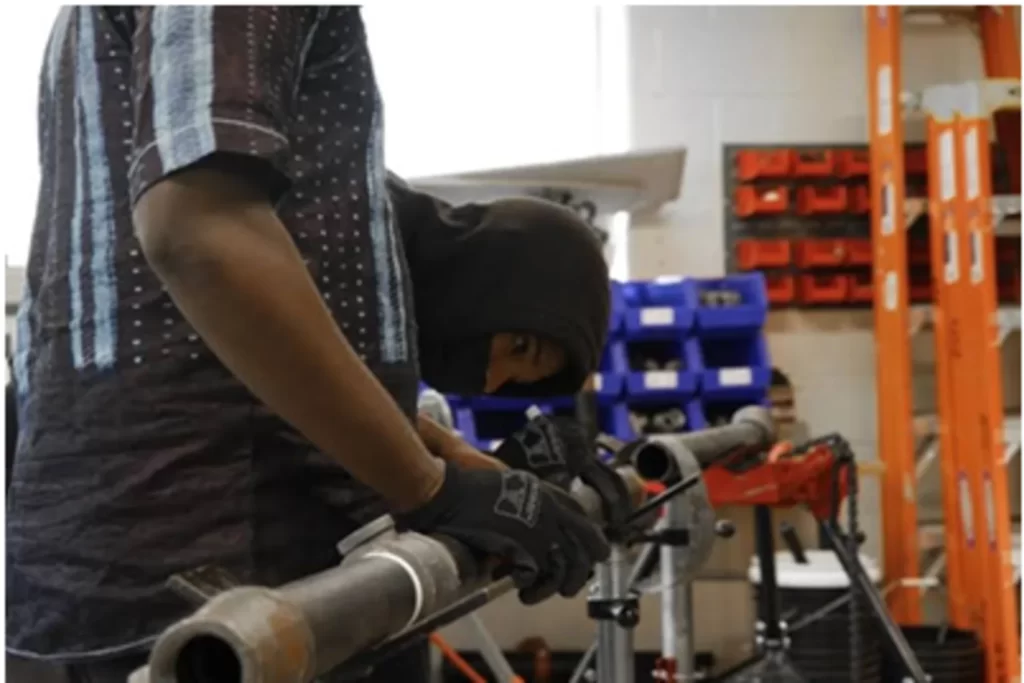
A pipefitter’s career involves managing piping systems. Pipefitters work in industries such as construction, manufacturing, and energy.

Pipefitters often work in buildings or construction sites. The job can be physically demanding, and sometimes requires working. You need to work in tight spaces. Pipefitters must be cautious.
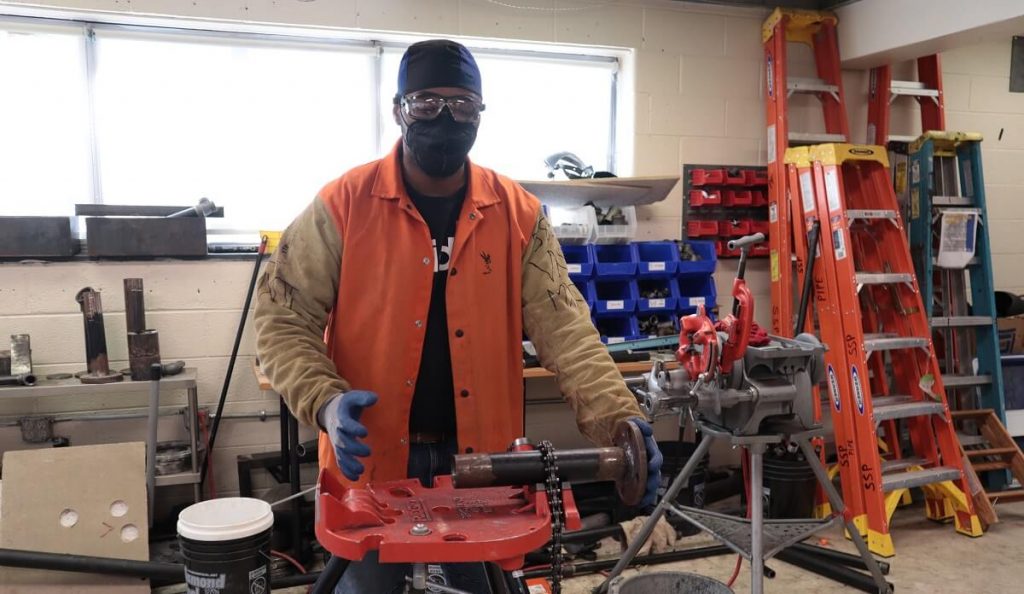
A welder connects metal parts using heat and tools. Welders are needed in industries like automotive, construction, and shipbuilding.
Welders can work indoors or outdoors. They often deal with heat, sparks, and fumes, so safety equipment is necessary. Welders must focus on safety.
Now that you know what pipefitters and welders do, let’s compare them.
Pipefitters focus on systems, while welders focus on joining metal parts. Pipefitters and welders have distinct responsibilities.
Welding programs are usually shorter, letting/allowing you to start working sooner. Pipefitting takes longer because it involves learning complex systems. Pipefitters need more training.
Both careers offer good earning potential. Pipefitters may earn more in certain roles. Experienced welders can also earn high wages.
Both pipefitters and welders are needed because industries require them to build and maintain infrastructure.
Pipefitters can progress into project management roles. Welders can advance by learning new techniques or obtaining certifications.
To succeed as a pipefitter or welder, you need practical skills.
For Pipefitters
For Welders
If you want to start working quickly, welding is a good option. Training programs are shorter, so you can begin earning sooner.
Pipefitters may earn more in some roles, while welders can earn high wages in specialized positions.
Both careers offer job security. Skilled trades are in demand, and industries need people with hands-on skills.
Choose a career as a pipefitter if you enjoy working with systems and planning. Choose welding if you prefer hands-on work with metal and want to start earning quickly. Pipefitter and welder careers are distinct.
The decision between pipefitters and welders depends on your goals and interests. Both careers offer job opportunities, good salaries, and chances for advancement.
Choosing between a pipefitter and a welder career depends on your goals, interests, and how quickly you want to start working. Both paths are in demand and offer good pay, job security, and opportunities for growth in 2026 and beyond.
A pipefitter career suits those who like working with complex systems, reading blueprints, and solving technical problems. Although training may take longer, the rewards often include higher long-term pay and chances to move into roles like supervision or project management. Pipefitters are essential in industries such as construction, manufacturing, and energy, which makes their skills highly valued.
When comparing pipefitter and welder salaries, both jobs offer competitive pay. However, pipefitters might have an advantage over time due to the technical aspects of their work. Skilled welders in specialized areas can also earn impressive wages.
Ultimately, both careers offer solid futures. If you value technical complexity and long-term growth, pipefitting might be the better option. If you prefer quicker training and job versatility, welding could be a good fit. The best choice is the one that matches your strengths, interests, and career goals.
A pipefitter career is a good fit for people who enjoy working with complex systems, reading blueprints, and technical problem solving. The training period is longer but the reward is a higher long-term pay and most pipefitter training provides their trainees with opportunities of moving to better positions such as supervision and project management. The pipefitter career track is more suitable for individuals who enjoy working on complex systems, favor blueprint reading, and like troubleshooting technical problems, but their training is often longer, and the benefits pipefitters receive can lead to more long-term remuneration and a career in supervision and project management.
Comparing the pipefitter salary and welder salary, both pay well. However, the salaries for pipefitters have a significant edge over welders with time due to the technicality involved in their work. However, skilled welders in specialized areas can also earn strong salaries.
In the final analysis, both careers prove to have a stead future. Pipefitting, however, should be chosen as a career if one prefers technical intricacy, and long-term career prospects. Welding could be a good fit if one prefers to go through short training and use their skills in various jobs. Rather, the best choice between welding and pipefitting careers would be the one relating to your strengths, interests, and career goals.
Welding is often a better option for beginners because it requires less training time.
Pipefitters install piping systems, while welders join metal parts.
Pipefitting can be complex, while welding needs exactness.
Yes. Many professionals start in welding and later expand their skills into pipefitting.
Yes. Skilled trade jobs offer good demand, job security, and strong earning potential.
Read more blogs: