
Ever thought about becoming an automation and manufacturing technician? If not, you might want to start now. This career is growing fast, pays well, and doesn’t require years of college debt. However, most people never hear about it until it’s too late.
Below, we break down the top 10 reasons this trade deserves a real look, plus what training actually looks like.
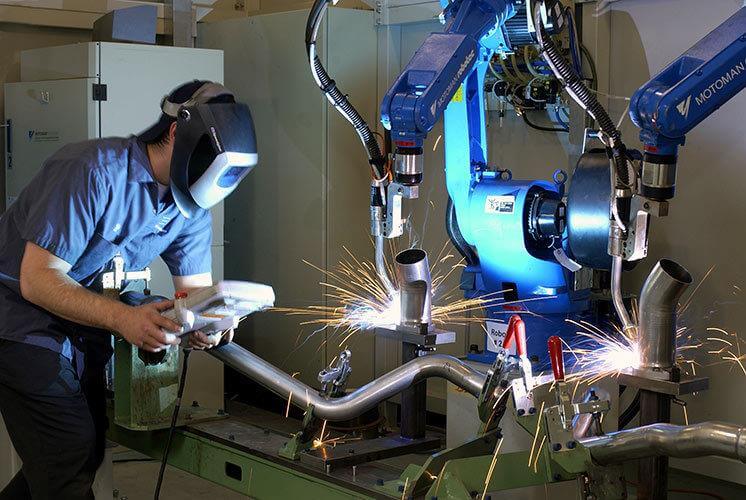
Factories today run on machines, robots, and automated systems. Someone has to install, run, and fix all of it. That someone is an automation and manufacturing technician. Additionally, as more companies bring production back to the U.S., demand for this role continues to climb.
Here’s a quick guide of why this field Automation and manufacturing is heating up:
Factories are automating faster than workers are being trained. Older technicians are retiring, leaving open positions. New machines need skilled hands to operate and repair them
Therefore, the timing couldn’t be better to jump in.

Manufacturing technician jobs are in high demand across Pennsylvania and beyond. Companies need people now, not in four years. Automation drives economic growth and global competitiveness. By working in this field, you help build a stronger, more efficient future for Philly.
Most manufacturing training program options take around 6-8 months. Compare that to a four-year degree, and it’s an easy call. You do not need a traditional college degree to enter this field. Many technicians start with a two-year program, certification, or apprenticeship—like the ones offered at PTTI.
Entry-level pay in this field often beats many office jobs. Overall, you start earning real money faster. Local companies in logistics, pharmaceuticals, and advanced manufacturing all need automation experts.
If sitting at a desk all day sounds boring, this job won’t. This job doesnot require sitting 24 hours You’ll work with robotics, machines, and automated systems daily. This Automation career blends technical knowledge with real-world problem-solving. You will work with robots, PLCs, sensors, and control systems daily. As a result, every day brings new challenges and learning opportunitiesespecially in Philly’s growing tech corridor.
Technicians can move up into supervisor, engineer support, or specialist roles. Moreover, many companies pay for continued training once you’re hired. Automation technicians in Philadelphia often earn more than traditional trade workers. In fact, many roles offer salaries between $60,000 and $90,000, with growth potential over time.Additionally, employers provide benefits like health insurance, retirement plans, and overtime pay.
Automation careers aren’t going anywhere. Machines still need people to program, monitor, and maintain them. Skilled technicians can move into supervisory, engineering, or management roles. Many also start their own businesses after gaining experience in the Philadelphia market.Therefore, long-term career growth remains a key advantage.
Food production, automotive, pharmaceuticals, packaging automation technicians work everywhere. This means options if you ever want to switch industries.Automation technicians work in modern facilities using advanced technology. These environments are clean, safe, and highly innovative.
Moreover, you will be part of teams building the factories of the future right here in Pennsylvania.
Trade programs generally cost far less than a four-year degree. Therefore, you start your career without a mountain of loans. Automation skills are transferable across states and industries. This flexibility allows you to work in different locations or even travel for projects. Finances Regulatory aid like FAFSA in the united states, help the student complete therir program. Consequently, your career options expand beyond local job markets—while still starting strong in Philly.
Companies and manufacturing companies always need technicians along with updated working equipment. Even during slow economic periods, machines still break down and need fixing. Automation helps companies improve efficiency, in machinery with new techniques reduce waste, and increase safety. As a manufacturing technician, you will directly to these outcomes with clients . This sense of purpose makes the work more meaningful and rewarding especially when you see the impact locally.
Wiring, troubleshooting, robotics, PLC programming — these skills apply to dozens of other technical careers too. Technology evolves quickly in this field. Therefore, you will always have opportunities to learn new systems and certifications.
A Look at the Numbers
The numbers say it all: in a manufacturing and automation hub, a technician spends about 45% of their day on machine monitoring, 25% on troubleshooting and repairs, and 40% on preventive maintenance. The field is in high demand right now, so every city in the USA needs technicians, as the world is changing at a fast pace. New launches of digital assets and high-tech innovations are driving the market.
Here’s a simple table comparing manufacturing technician training to a traditional degree path:
| Path | Length | Average Cost | Time to First Paycheck |
| Automation & Manufacturing Program | 12 months | Lower | Under 1 year |
| 4-Year Engineering Degree | 4 years | Much higher | 4+ years |
A strong manufacturing training program usually covers:
Research programs near you that offer manufacturing and automation training with the correct timeline Talk to an admissions advisor about schedule and financial aid options available by the institute, including FAFSA workarounds.Tour the training facility to see the equipment firsthand.
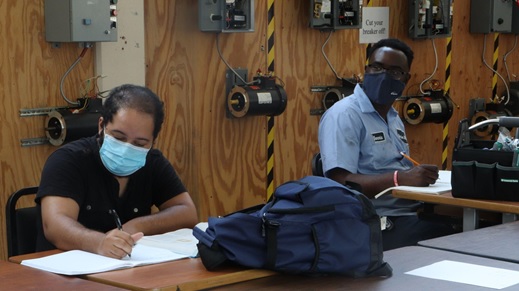
Start training and begin building real, hireable skills. As, PTTI’s Manufacturing and Automation program runs about 6-8 weeks and includes hands-on lab training. Finally, PTTI reports a placement rate near 92%, meaning graduates are actually landing jobs.
According to the U.S. Bureau of Labor Statistics, industrial machinery mechanics and maintenance workers are projected to see steady job growth over the next decade. Wages are competitive with many entry-level degree jobs.
If you want to become an automation and manufacturing technician, it isn’t just a backup plan; it’s a smart, fast-moving career choice. This suits every technician, especially Gen Z, who tend to be smarter and more intelligent. This set of training will definitely excite to work around. However, you have to act on it. Between short training time, strong pay, and real job demand, this path checks a lot of boxes. Overall, it’s a career built for people who want to work with their hands and still make solid money.
They install, monitor, and repair automated machines and production equipment in factories.
Most programs, including PTTI’s, run around 6-8 months.
No. A trade certificate or diploma from a training program is typically enough to start.
Food production, automotive, pharmaceuticals, packaging, and general manufacturing all hire for this role.
Yes. PTTI accepts FAFSA applications under school code 042213.
Read More: