
Looking for flexible trade courses in Philadelphia that actually work with your life? You’re not alone. Between work, family, and everything else on your plate, finding time for school can feel impossible. However, it doesn’t have to be that way anymore.
More people across Philly are choosing hands-on careers over four-year degrees. Why? Because trade jobs pay real money, fast. That’s also because there is no compulsion for a four-year degree. You will secure certification in just 8 months; that is the best part of skilled trade education in Philadelphia. Additionally, you don’t need to put your whole life on hold to get there. This guide breaks down exactly how flexible trade courses in Philadelphia work, what your options look like, and how to pick a path that fits your schedule.
Get in touch with career service team
Life doesn’t stop when you decide to continue your education. You may have a full-time job, children to care for, or other responsibilities that require your attention every day. That’s why flexible trade programs have become increasingly popular in Philadelphia.
These programs are designed to help students, especially graduates, who want to learn practical skills while maintaining a healthy balance among college, work, and personal life. With structured schedules and hands-on learning, students can continue moving forward without feeling overwhelmed.
More importantly, flexible training helps students stay committed to their goals because the schedule works with their lifestyle instead of against it.
Philadelphia’s job market needs skilled trade workers right now. Welders, HVAC techs, automotive mechanics these jobs are in demand everywhere. Robots can’t fix your AC or rewire your car engine. Therefore, demand for trained workers continues to climb.
That’s exactly why trade school in Philadelphia programs are shifting toward flexible formats.
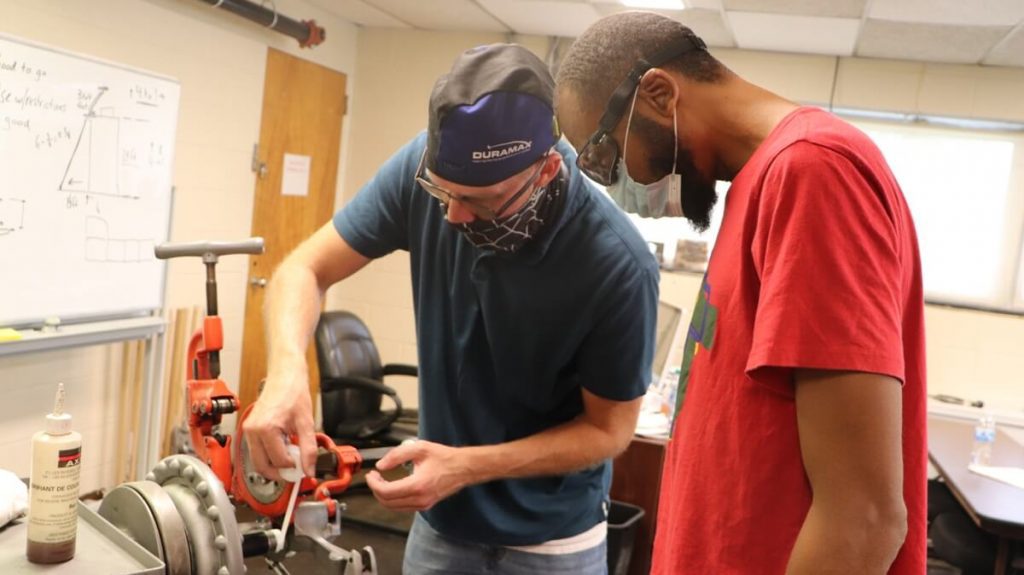
Flexible, not restricted to a particular time or schedule . It means the schedule bends around your life, not the other way around. Here’s what that looks like in practice:
Picking the right part-time trade programs starts with understanding your time commitment. Here’s a quick breakdown:
| Program | Typical Length | Schedule Options |
| Welding Technology | 26 weeks | Day / Evening |
| Automotive Technology and Repair | 26 weeks | Day / Evening |
| HVAC Technology | 12 months | Day / Evening |
| Sterile Processing and Central Services | 8 months | Day / Evening |
| Steam/Sprinkler/Pipefitting | 26 weeks | Day / Evening |
Most of these programs finish faster than a typical two-year degree. Moreover, several run under a year, which means you’re earning a paycheck a lot sooner than your friends still sitting in a lecture hall.
A Simple Look at Where Your Time Goes: about 40% hands-on lab work, 35% classroom instruction, and 25% real-world practice or externship time. That’s roughly how a solid vocational training program in Philadelphia balances your hours. It’s built for those who are hard-working, along with learners doing various other activities to balance their work and home, to learn and earn
Philadelphia offers strong opportunities for people entering the skilled trades. The trade school in Pennsylvania is among the top Institutions, Alongside Construction projects, healthcare facilities, manufacturing companies, and service industries that continue to hire trained workers throughout the region. This demand creates excellent career opportunities for graduates who complete hands-on trade programs.
By learning locally, students can also build connections with instructors, classmates, and employers who understand the needs of the Philadelphia job market.
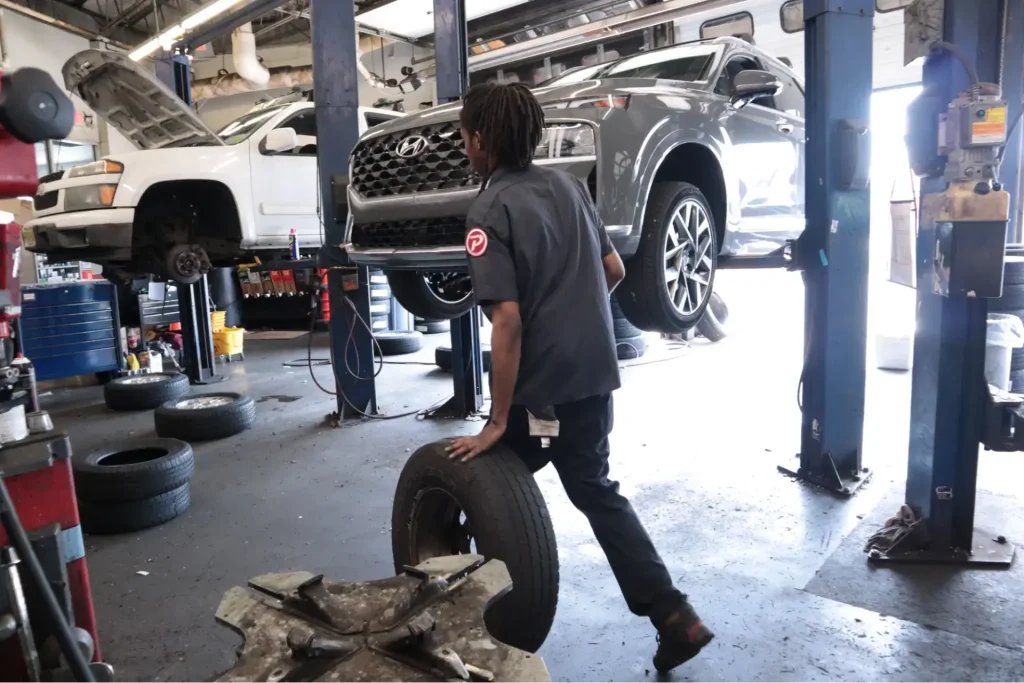
Flexible trade courses in Philadelphia aren’t one-size-fits-all. However, they tend to work especially well for:
Finally, flexible formats reduce the risk. You’re not locking in four years and a mountain of debt before you even know if the trade is right for you.
If you’re weighing your options, here’s a quick pointer list of skilled trade careers with strong outlooks:
According to the U.S. Bureau of Labor Statistics, employment in several of these trade categories is projected to grow steadily over the next decade, with wages that often outpace many entry-level office jobs.
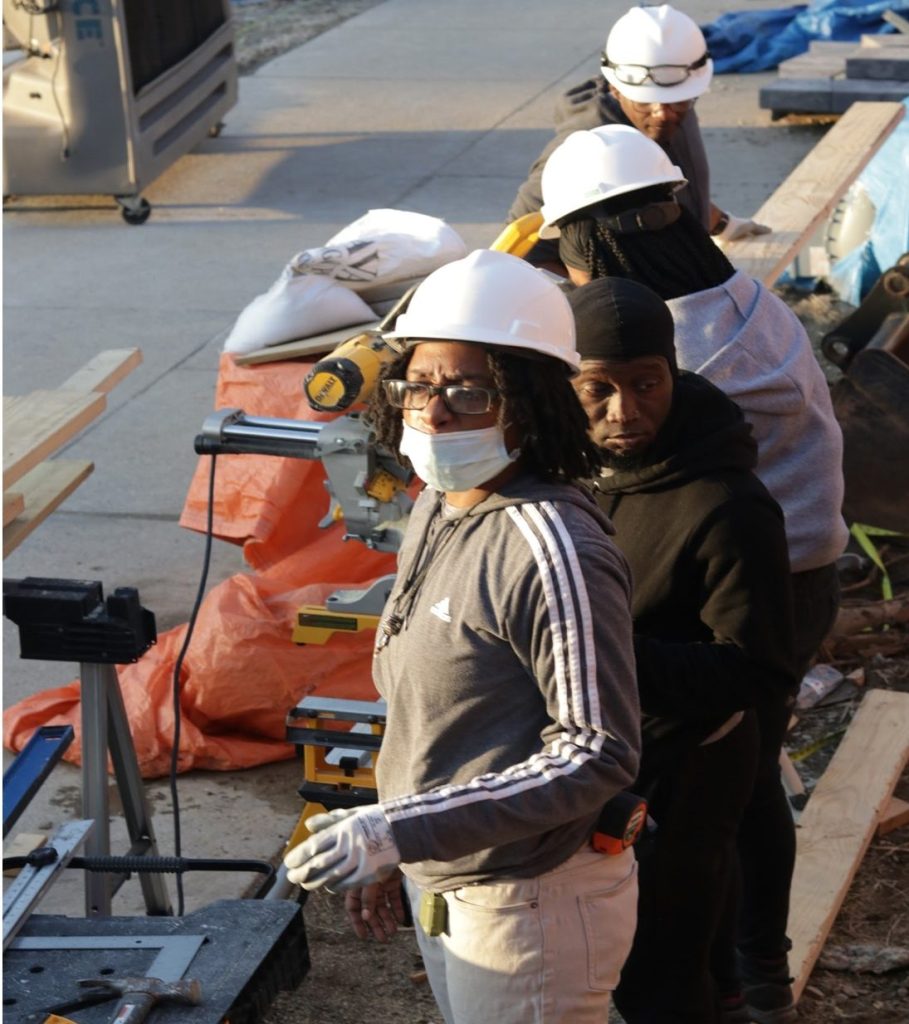
Philadelphia Technician Training Institute (PTTI) designed its programs with real schedules in mind. Additionally, PTTI keeps class sizes manageable, so instructors can actually work with you one-on-one.
Here’s the enrollment process, step by step:
PTTI also reports a placement rate near 92%, meaning most graduates land jobs in their field. Therefore, the investment in flexible trade courses in Philadelphia tends to pay off quickly.
Flexible trade courses in Philadelphia give you a real shot at a stable career, without putting your current life on pause. However, you can explore more class options along with training programs. This training program offer flexible timings . Whether you’re working full-time, raising a family, or just want to move faster than a traditional degree allows, there’s a schedule built for you. Overall, the trades reward action, not waiting around — and flexible formats make that action possible today.
Reach out to PTTI at 215-381-9403 or info@ptt.edu to talk with an PTTI advisor.
They’re vocational programs with day and evening options, shorter timelines, and rolling start dates built around real schedules.
Most run for 8 to 12 months, depending on the program.
Yes. Evening classes exist specifically so you can keep your job while training.
Generally, yes. Shorter timelines mean less tuition and less time out of the workforce.
Yes. PTTI accepts FAFSA applications under school code 042213.
Read More: