
Not everyone wants to spend two or four years earning a degree before starting a career. For students who prefer practical learning, fast-track trades programs in Philadelphia can offer a more direct path toward developing job-ready skills.
Trade school can be a good option for students who want to learn by doing. Instead of spending years studying broad academic subjects, students can focus on the tools, techniques, equipment, and safety practices used in a specific trade.
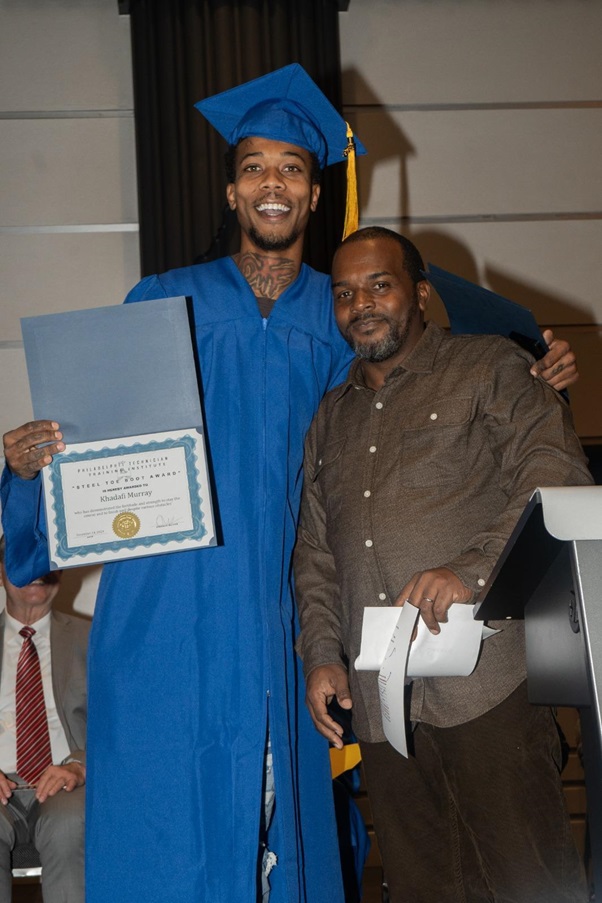
At Philadelphia Technician Training Institute, students can explore career-focused training in areas such as welding, automotive repair, manufacturing and automation, construction, pipe fitting, and other technical fields. Some programs are structured to take around six months, depending on the specific program.
Fast-track trades programs are designed to provide focused career training within a shorter period. They concentrate on the practical and technical skills students need for a particular occupation.
For example, someone interested in construction may want to learn about framing, drywall, masonry, or concrete work. A student interested in mechanical work may prefer automotive repair. Someone who enjoys working with technology and machinery may find manufacturing and automation more interesting.
The advantage of this type of education is the focused approach. Students can spend more time developing trade-specific skills instead of completing a long list of general education requirements.
However, fast-track does not mean effortless. Students still need to attend classes, practice their skills, follow safety procedures, and understand the technical side of their chosen trade.
Yes, students looking for six-month trade programs can find career training options in Philadelphia.
PTTI offers several hands-on vocational training programs, and the length varies depending on the trade. Its Drywall, Framing and Finishing Technician program, for example, is structured as a 26-week program, which is approximately six months.
Other programs may have different schedules. Therefore, students should always check the specific program they are interested in instead of assuming that every course will have the same duration.
This is one reason it is helpful to compare programs based on more than just their length. The curriculum, hands-on training, schedule, facilities, and career preparation should also be considered.
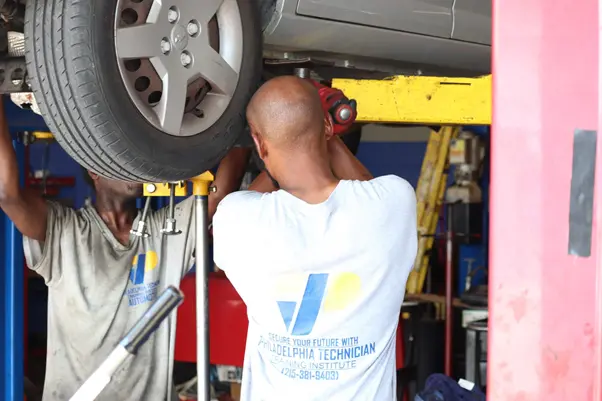
Time is one of the biggest reasons students consider vocational education.
A student may want to start working sooner rather than spending several years in college. A shorter training program can provide an opportunity to focus on one career area and develop practical skills within a limited timeframe.
This can also appeal to adults who are considering a career change. Going back to school can feel difficult when someone has work, family, or financial responsibilities. A shorter program may make returning to education feel more manageable.
For recent high school graduates, fast-track training can also provide an alternative to a traditional four-year college route. Still, choosing a program simply because it is short is not enough. The training should match the type of work you want to do.
You cannot learn every skilled trade from a textbook. A welding student needs to practice welding. An automotive student needs to work with vehicle systems. A construction student needs to understand how tools and materials are used on an actual project.
That is why hands-on training is an important part of vocational education. At PTTI, students receive practical training alongside classroom instruction. This approach gives students the opportunity to practice technical skills while learning the concepts behind them.
Hands-on experience can also help students become more comfortable using tools and following workplace procedures. These experiences can be especially useful when students begin looking for entry-level opportunities after completing their training.
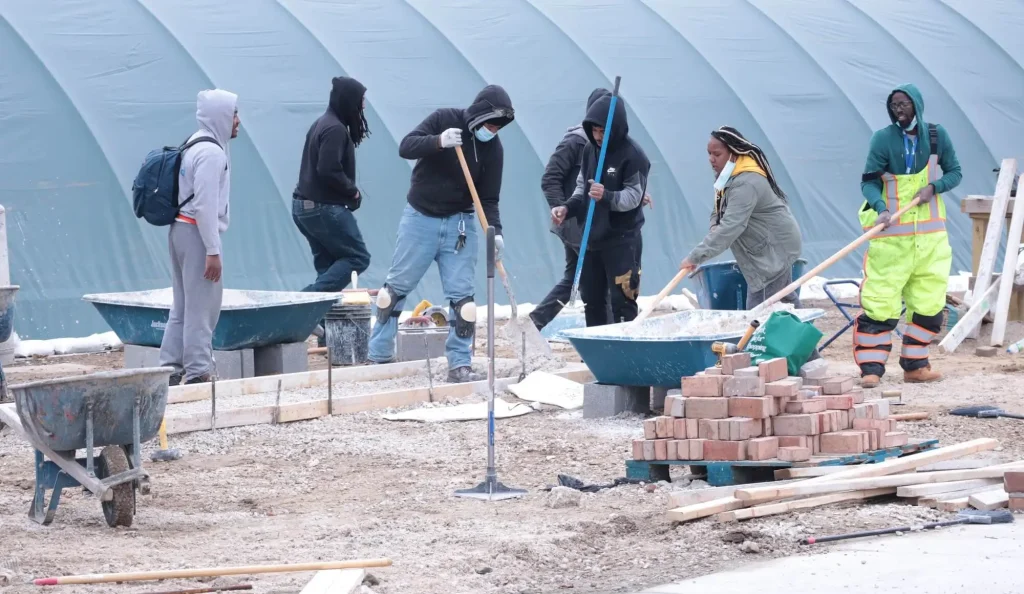
Program length is important, but it should not be the only factor.
Start by thinking about the kind of work you actually enjoy. If you like building things, construction may be worth exploring. If you enjoy machines and technology, manufacturing may be a better fit. If you prefer working with vehicles, automotive training could be more suitable.
You should also look at the amount of hands-on training included in the program. Practical experience can make a major difference when you are learning a technical skill. The schedule matters too. Make sure the program fits your personal responsibilities and that you understand the attendance requirements before enrolling.
Finally, look at the career preparation provided by the school. Good vocational training should help you understand not only how to perform the work but also what to expect when entering the industry.
Completing a short program does not guarantee a job. However, focused vocational training can give students a foundation of technical skills that they can continue building through work experience.
A career in the skilled trades is often a learning process. Your education may introduce you to the basics, while employment and additional training can help you develop more advanced skills over time. For students who prefer practical work and want to enter a technical field without spending several years in a traditional college program, vocational training can be worth considering.
The key is to choose a program that matches your interests and provides meaningful training rather than simply choosing the shortest option available.
Fast-track trades programs in Philadelphia can give students another path toward career-focused education. Programs lasting around six months may be particularly appealing to people who want to develop practical skills within a shorter timeframe.
PTTI provides training in several skilled trades, giving students different options based on their interests and career goals. If you are considering a trade school in Philadelphia, take time to explore the programs, understand what you will learn, and consider the type of work you want to pursue.
A shorter training program can help you get started, but the skills you develop and the effort you put into learning them can shape what comes next in your skilled trades career.
You do not always need to spend years in college to learn a skill and start working toward a career. Fast-track trades programs in Philadelphia can give you the chance to learn practical skills in a shorter period, with some programs taking around six months.
Before choosing a program, think about the kind of work you enjoy and the skills you want to build. Look at the course length, hands-on training, and what you can expect to learn. Taking the time to choose the right trade can help you feel more prepared as you take your first steps into the skilled trades.
PTTI offers several career-focused programs with different training lengths, including programs designed around approximately six months.
Students can explore welding, automotive repair, manufacturing, automation, construction, pipe fitting, drywall, and other technical training areas.
Trade school can be an option for students who prefer hands-on learning and want focused career training without pursuing a traditional four-year degree.
Consider your interests, preferred type of work, program length, hands-on training, schedule, and the skills you want to develop before choosing a program.
Read More