
Most adults who consider the skilled trades are not starting from a blank calendar. They already hold a job, pay rent or a mortgage, and often support a family. For them, the real question is not whether the trades are worth it — it is whether the timing fits. Choosing a trade school for working adults usually comes down to one practical decision: train during the day or train at night. The right answer depends on your current job, your energy, your commute, and who counts on you at home. In Philadelphia, where many prospective students weigh flexible trade courses that fit around work and family against a rigid nine-to-five program, that choice often decides whether someone finishes. This guide breaks down how daytime and evening formats actually differ, who each one suits, how to protect your time while juggling work and school, and the questions to ask before you enroll — so you pick a class schedule you can complete, not just start.
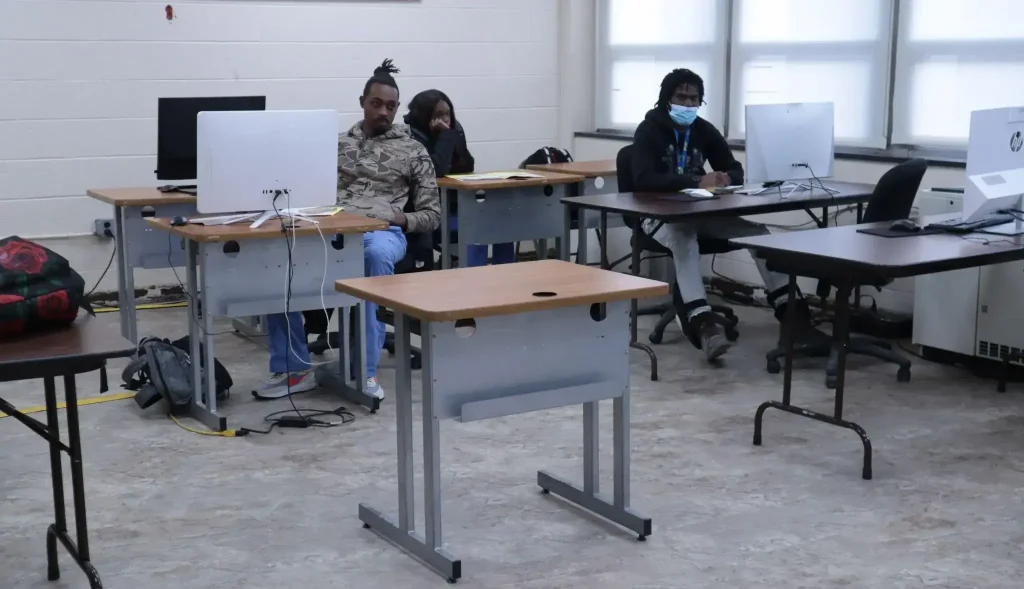
For most people, the better schedule is simply the one you can attend consistently without burning out. A daytime format fits those who are unemployed, between roles, or working nights. An evening format fits those holding a daytime job who need to keep earning while they train. Neither option is academically “better” — the deciding factor is your life outside the classroom.
That reframes the whole comparison. A program is only valuable if you complete it, and completion depends on whether the hours fit your obligations. This is why a trade school for working adults should be judged first on format and consistency, then on everything else. A student who picks the wrong timing often stalls after a few weeks — not because the trade was wrong, but because the schedule was.
Before comparing the two formats in detail, it helps to see how a typical training day feels. Reading through what to expect day to day as a trade student gives a realistic picture of lab time, hands-on practice, and the pace you will need to keep whether you attend mornings or nights.
Day classes are the strongest fit for people who have their daytime hours free and want the most immersive experience. They suit recent high school graduates, adults between jobs, second- or third-shift workers, and anyone who learns better in a full, focused block. The main trade-off is income: if you work a standard daytime job, a morning-and-afternoon program usually means reducing hours or stepping away from that paycheck.
There are real advantages to this format. A daytime block often allows longer, uninterrupted lab sessions, more direct contact with instructors, and faster momentum because you are not splitting attention with a full workday. Many students who train during the day also finish the in-class portion feeling fresher, since they practice hands-on skills before the fatigue of a long shift sets in.
A daytime path does demand a plan for money, though. If you are leaving or reducing employment to train, map out savings, benefits, and any aid you qualify for before you commit. Looking early at how students attend a trade school in Philadelphia without taking on heavy debt or losing financial footing helps you decide whether a daytime format is financially realistic for your household.
Evening classes exist precisely so that working adults do not have to quit a job to change careers. They are the natural choice if you hold a daytime position and need to keep that income while you train. By moving coursework to the end of the day, this format lets you earn now and build toward a new trade at the same time.
For a trade school for working adults, evening study is the option most career changers gravitate toward. You keep your current role, protect your household budget, and still make steady progress. The trade-off is energy and time management: after a full shift, you need enough focus left for hands-on learning, and your evenings at home shrink during the program. For motivated adults, that is a manageable short-term cost for a long-term career gain.
A nighttime format also pairs well with how adults actually retrain. Many students use it to move into a skilled trade designed around adult schedules rather than pausing their earnings entirely. If your goal is continuity — keep the paycheck, add the skill — an evening format is usually the right call.
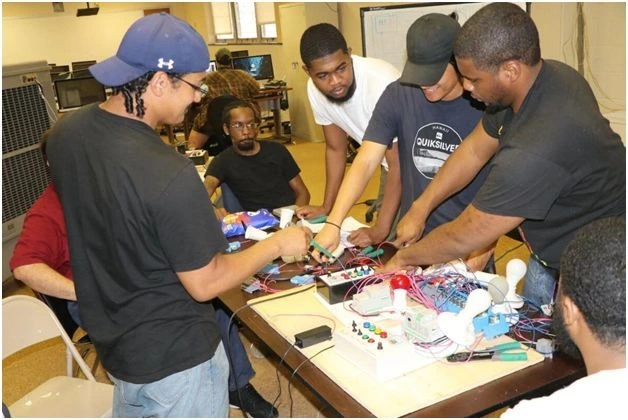
Yes. Many Philadelphia trade schools, including PTTI, build programs around the reality that a large share of students work. A trade school for working adults typically offers formats designed around employment, so students can train without abandoning a job. Availability varies by program, so confirming the specific hours for your trade of interest is an essential first step.
When you ask about timing, be specific. A flexible schedule can mean different things: evening-only sections, hybrid blocks, or several cohort start dates across the year. The goal is to find a class schedule that lines up with your shift, your commute, and your home responsibilities. Do not assume — ask admissions exactly which hours a program runs and how often new groups begin.
Multiple start dates matter especially for busy students. A program that enrolls several times a year means you can begin when your life allows rather than waiting months for a single annual intake. For many adults choosing a trade school in Philadelphia, that flexible schedule is the difference between enrolling this quarter and postponing indefinitely.
Choosing a schedule is a practical exercise, not a guess. Weigh these factors honestly against your real life:
Here is a simple way to compare the two formats side by side.
| Factor | Day Classes | Evening Classes |
| Best for | Those free during the day, between jobs, or on night shifts | Working adults keeping a daytime job |
| Income during school | Often reduced or paused | Typically maintained |
| Learning intensity | Immersive, longer blocks | Focused sessions after work |
| Main challenge | Covering living costs | Managing energy and family time |
| Typical student | Recent grads, full-time students, shift workers | Career changers, parents, full-time employees |
No single row decides it. Read the whole picture, then pick the format you can sustain. If you are still unsure which trade and timing fit together, a structured look at how to choose the right program for your goals can narrow it down before you commit to a class schedule.
Most adults do not fail trade school because the material is too hard. They struggle when work, school, and home collide without a plan. The fix is to treat your training like a fixed appointment and build the rest of the week around it. A realistic plan is what turns a good trade school for working adults into a finished credential.
A few habits make the balance work. Block your study and practice time on a calendar the same way you block shifts. Tell your family and your employer your schedule up front so they can support it. Protect a small, consistent window for review rather than cramming. And line up backup childcare or transportation before week one, not during a crisis. These steps are unglamorous, but they carry adults across the finish line.
Support from the school matters here too. Programs that actively help students from enrollment all the way through to employment reduce the friction that derails busy people. When you evaluate a flexible schedule, ask what advising, make-up policies, and career support exist, because those services directly affect whether a working adult can keep going.

Your schedule can affect pacing, but it does not lower the quality of training or the value of the credential. Day classes may move through material in a more concentrated block, while an evening track spreads the same content across a timeline that fits a working life. What matters for outcomes is completing the program and mastering the hands-on skills, not the time of day you learned them.
It helps to set realistic expectations on duration. Understanding how long trade school generally takes lets you plan savings, time off, and family logistics around a clear target. A trade school for working adults should give you a straightforward answer about program length for both formats so there are no surprises.
Outcomes depend on the trade, certifications, employer demand, and your own effort — not simply on whether you attended mornings or nights. Earnings vary by specialization, experience, location, and other factors, and no program can promise a specific salary or job. What a solid program can do is prepare you to compete for work with real, employer-relevant skills, and a reputable trade school in Philadelphia focuses on exactly that.
Philadelphia’s workforce includes a large population of shift workers, parents, veterans, and career changers — exactly the people for whom timing is decisive. A trade school in Philadelphia that offers both formats, plus several start dates, gives these students room to train without walking away from a paycheck. That accessibility matters across neighborhoods like North, South, and West Philadelphia, as well as nearby communities in Pennsylvania and South Jersey such as Camden, Cherry Hill, Drexel Hill, and Lansdowne.
Different students arrive with different constraints. Veterans using benefits, parents coordinating childcare, and workers moving up from retail or warehouse jobs all benefit from a flexible schedule. Many service members, for instance, explore how veterans transition into the skilled trades using structured programs that respect their time and existing commitments.
Career changers are another large group. Adults rethinking their path often look at how others have restarted their careers through hands-on training before deciding between a daytime or nighttime class schedule. For these students, the schedule is not a detail — it is the bridge between current obligations and a new trade.
The day-versus-evening decision is really a question about your life, not the classroom. A daytime format rewards full availability and immersion; an evening schedule protects your income while you build a new skill. For most adults, the smartest move is to match the format to your real obligations so you can finish what you start — because a completed program, not a fast one, is what changes your career. When you weigh income, energy, commute, and family honestly, the right class schedule usually becomes clear.
If you are ready to see which schedule fits you, explore PTTI’s hands-on trade programs in Philadelphia and ask the admissions team which daytime and evening options are open for your trade of interest.
Yes. Many Philadelphia trade schools, including PTTI, build programs around the reality that students work. A trade school for working adults often provides evening classes and multiple start dates so you can train without quitting your job. Availability depends on the specific program, so confirm the schedule with admissions.
Neither is universally better. Day classes suit people who are free before evening or between jobs, while a nighttime format suits those keeping a daytime paycheck. The right choice depends on your income needs, energy, commute, and family responsibilities — pick the class schedule you can attend consistently.
Often, yes. Evening sections are designed so working adults can keep a full-time job and train afterward. Success comes down to planning: block study time, communicate your schedule to family and your employer, and arrange backup childcare or transportation before the program starts.
Treat class as a fixed commitment and build the week around it. Use a calendar for study and practice, set expectations with family and work early, and secure childcare or commute backups in advance. A flexible schedule plus school support services makes the balance realistic for most adults.
It can affect pacing but not the quality of the credential. A daytime program may be more concentrated, while an evening track spreads the same material across a working-friendly timeline. Ask your chosen trade school in Philadelphia for the program length in both formats so you can plan ahead.