
AI is changing the way jobs are done in automation and manufacturing. Machines are becoming smarter. Things are happening more quickly. Data is becoming more important for businesses when they make decisions.
But here’s the important part: this doesn’t mean machines are taking over jobs. Instead, it means the nature of work is shifting. People are no longer stuck doing repetitive tasks. Now, they can focus on work that actually matters, like solving problems, improving systems, and thinking creatively.
So, if you’re planning to enter this field or grow in it, understanding these changes really matters. Even though job security is a common concern, many people are finding better opportunities and earning higher salaries than before.
AI makes systems smarter in manufacturing. Machines can detect problems before they happen, making production faster and more effective.
AI is making things run more easily across many areas, including quality control, maintenance, and supply chain management.
As a result, there are fewer errors, less downtime, and smoother operations. There is also a growing need for skilled workers who can operate these machines. This shows how crucial the future of skilled trades and training programs in modern industries has grown.
One change is that people no longer do manual labor. Today, workers use machines, understand data, and figure out how to fix problems.
Jobs are getting less boring and more technical. Individuals are currently making systems better. enhancing the way they perform.
Automation technician careers are growing fast. Companies need people who can install, maintain, and troubleshoot systems.
As factories adopt AI, the demand for these roles is increasing. This makes it a stable and rewarding career path for people who like working with machines
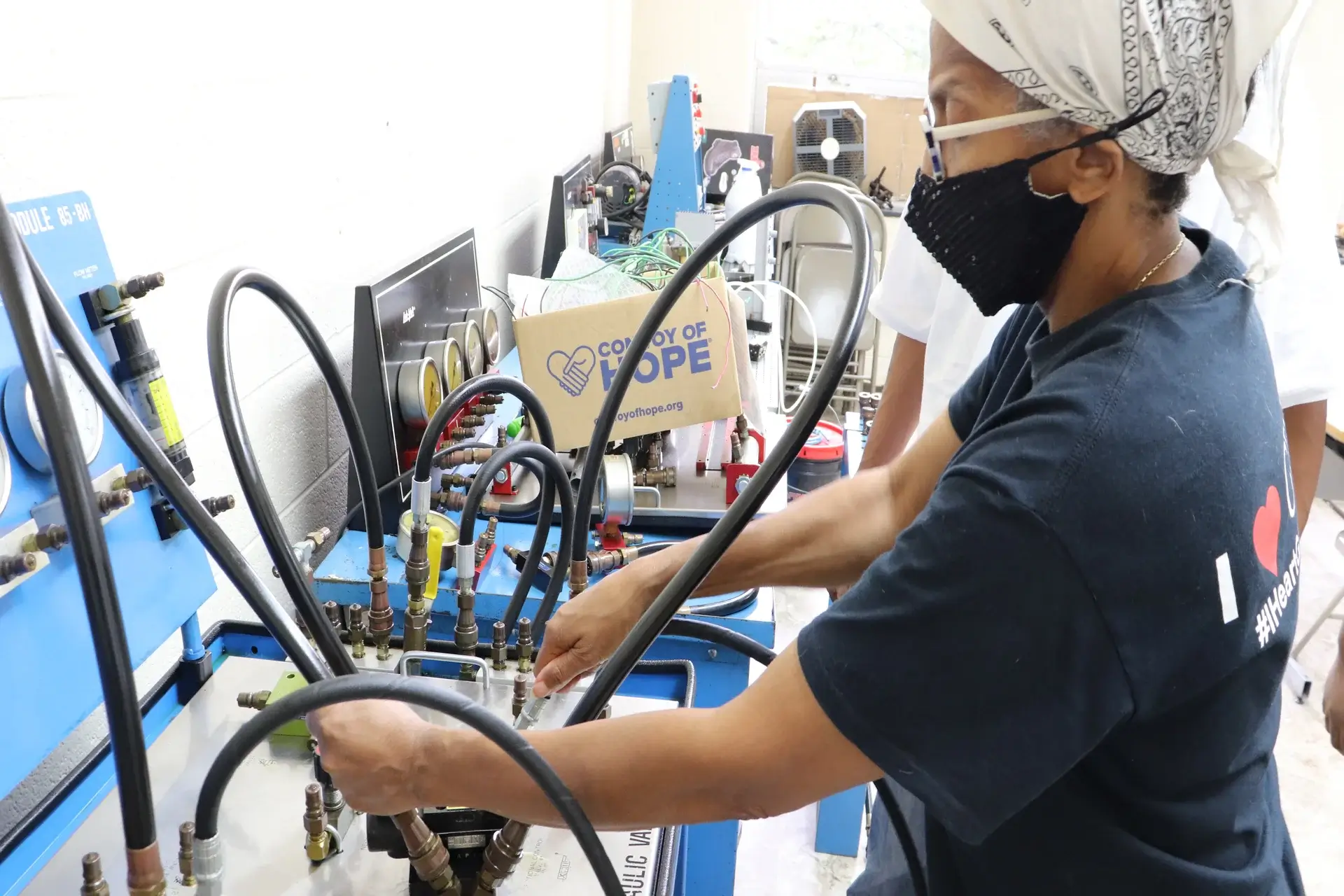
To succeed in AI in manufacturing careers, you need to understand automation systems. Knowledge of robotics and machine operations can give you an edge over others.
In addition to Technical Skills, the following Soft Skills are also very important: Adaptability, Ability to Learn Quickly, problem-solving/Thinking Critically, and Excellent Communication Skills, because you are working as part of a Team to establish and maintain Workplace Relationships.

These roles require skills, so they often pay higher salaries. Benefits of AI in Manufacturing Careers
Better Salary Opportunities
These roles require skills, so they often pay higher salaries. As companies adopt advanced technologies, they are willing to invest more in professionals who can work with AI systems and automation tools.
The future of manufacturing jobs looks very promising. The need for workers continues to grow. This demand makes it easier to find employment.
Skill-based roles in manufacturing allow you to grow quickly. With the training and experience you have, you can move up faster in your career.
One challenge is the shortage of trained professionals.
This also creates an opportunity for people to learn new skills and fill this gap.
Technology keeps evolving. You will need to keep updating your skills to stay relevant.
There is a belief that AI will take away jobs. In reality, AI replaces tasks, not people.
AI is being used across industries such as automotive, electronics, and logistics. According to industry insights, AI is transforming manufacturing through predictive maintenance.
The future of manufacturing jobs will continue to evolve with AI. Manufacturing jobs are evolving rather than disappearing, as people transition into smarter roles in the workforce rather than performing repetitive manual tasks. Beginning with this transition to using machines to assist with repetitive work, employees will now focus on using machines to support decision-making, monitor systems, and improve productivity in each facility they work in.
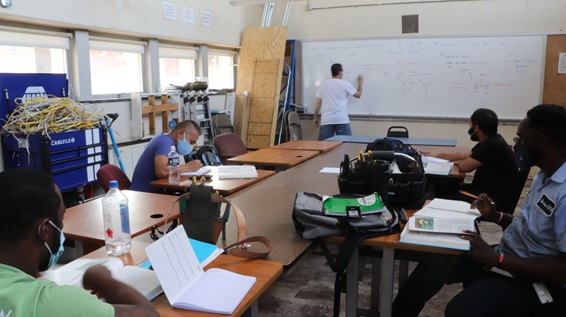
Because of this transition to Artificial Intelligence in manufacturing and industrial automation, there are now many more careers available, such as Automation Technicians, to ensure that manufacturing continues to operate. The increase in available positions within the manufacturing industry supports the future sustainability of employment in this sector.
Moreover, AI is not replacing jobs; rather, it is changing the way they are done by enhancing the skills that today’s workers will need, including both technical and problem-solving abilities, both of which are necessary.
If you agree to continue your education and keep pace with new technologies, manufacturing, and automation, careers that incorporate AI can offer significant opportunities, as the field is constantly evolving.
The way jobs in automation and manufacturing are changing is due to AI, but rather than something to fear, AI should be something we learn about and take advantage of. Rather than replacing employees, AI will enable employees to work in more meaningful ways, helping them solve problems, control systems, and increase their effectiveness.
To succeed, one must be willing to learn and improve through life experience. As technology changes and advances, so too will the skills required for success.
If you are looking for a career choice with PTTI that incorporates technology and problem-solving and has a positive impact on the community, it is one of the most promising areas to investigate. Start Your Career at PTTI
The integration of AI into automation and manufacturing careers will create a dynamic, stable, and abundant future for individuals ready to embrace it.
AI techniques help technicians focus on diagnostics, system optimization, and predictive maintenance rather than labor-intensive manual remedies.
No, AI boosts the need for hands-on training to comprehend, control, and mitigate advanced automated systems.
Job roles change with technology, but there is always demand for skilled workers who can maintain and upgrade systems.
Technical training, sharpening problem-solving skills, and experience in operating contemporary equipment are prerequisites.
They need professionals who can achieve efficiency, reduce downtime, and have confidence when working with smart manufacturing technologies.
Read more blogs: