
Going back to school is not always easy. For many adults, education must fit around a full-time job, childcare, household responsibilities, and monthly expenses. Finding time to study can feel difficult when other people depend on you.
However, building new skills does not have to mean putting your life on hold. Technical institutes in Philly offer career-focused training that can help students prepare for skilled jobs while managing their existing responsibilities.
The right training program gives students a clear learning path. It also helps them understand the time, effort, and commitment required before enrolling. For working adults, that clarity can make returning to school feel more manageable.
Working adults often depend on their regular income to cover rent, groceries, transportation, and other essential expenses. Leaving a job to attend school may not be financially realistic.
As a result, students must consider how training will fit into their work schedules. They also need enough time to travel to campus, complete assignments, and practise new skills.
Parents and caregivers face additional challenges. School pickups, family meals, medical appointments, and household tasks can make it difficult to maintain a consistent study routine.
A missed class or an unexpected family emergency can disrupt an entire week. Students need a realistic plan that accounts for these responsibilities instead of assuming every day will go smoothly.
Education requires an investment of time and money. Students may need to budget for tuition, books, tools, transportation, and childcare.
Before enrolling, they should understand the full cost of a program and explore available payment arrangements or financial assistance where applicable. A clear budget can help students make informed decisions without placing unnecessary pressure on their households.
A focused program can help students concentrate on the skills required for a particular field. This makes it easier to identify learning objectives and understand how each stage of training contributes to their professional development.
Philadelphia Technician Training Institute (PTTI) offers career-focused programs in areas such as Automotive Repair, Manufacturing and Automation, Welding Technology, Drywall Framing and Finishing, Sterile and Central Processing, and Concreting.
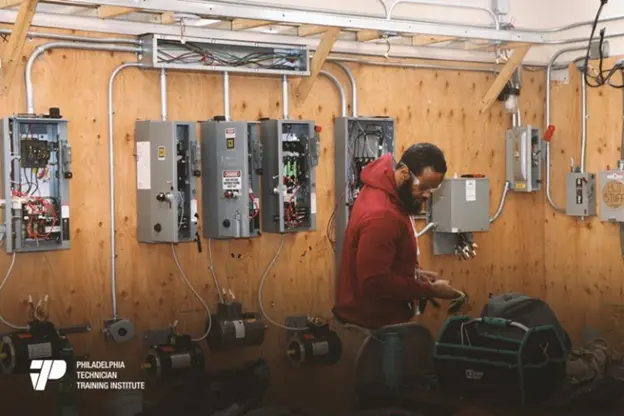
Students can explore these options based on their interests, previous experience, and career plans. Before enrolling, they should review each program’s schedule, duration, attendance requirements, and costs to determine whether it fits their circumstances.
Students with jobs or family responsibilities need to know when classes take place. They should ask about class timings, attendance policies, program duration, and whether any evening or alternative scheduling options are available. Do not assume that every technical institute offers evening classes or part-time study. Confirm these details directly with the admissions team.
A clear schedule helps students coordinate work shifts, childcare, transportation, and study time before classes begin.
The admissions process is an opportunity to understand what a program requires. Students should ask about entry requirements, essential equipment, tuition, payment deadlines, and the skills they will develop.
At PTTI, prospective students can learn more about their training options through the admissions process, which includes an interview and campus tour. This gives them an opportunity to discuss their goals and understand the learning environment before committing to a program.
Returning to education after several years can feel unfamiliar. Students may need help understanding technical terminology, using equipment, or improving their practical skills.
Instructor guidance can help learners identify mistakes and strengthen their understanding. Students should ask how practical assessments work, how they can request additional guidance, and what support is available when they struggle with a particular skill.
Education should help students move towards their next career step. Technical institutes may support this goal through practical assessments, career preparation, employer connections, or job-search guidance, depending on the institution. Students should ask what employment support is available and whether the school helps graduates prepare for interviews or connect with relevant opportunities.
At PTTI, prospective students can discuss their career goals and training options during the admissions process. They should also ask about the institute’s current employment support and placement services before enrolling.
Start by listing your work hours, family commitments, commute, and personal responsibilities. Then add class timings and dedicated study periods. Keep some room for unexpected situations. A schedule that leaves no space for delays or emergencies can become difficult to maintain.
Even two or three short study sessions during the week may be more realistic than planning several uninterrupted hours every day.
Avoid trying to change every part of your routine at once. Focus on attending classes consistently, completing essential tasks, and practising the skills taught during training. Break larger goals into smaller steps. For example, you might aim to master one workshop procedure or review a particular technical concept each week.
Small, measurable goals make progress easier to track and help you identify problems early.
Explain your education plans to the people affected by your schedule. Family members may be able to share household tasks or help arrange childcare during class hours.
If your workplace permits schedule adjustments, discuss your training commitments with your manager before the program starts. Do not rely on informal assumptions about shift changes or time off.
Having these conversations early can reduce misunderstandings and make your routine more predictable.
Calculate your expected education expenses alongside regular household costs. Include transportation, meals, supplies, and any additional childcare expenses.
If possible, set aside a small emergency fund for unexpected costs. Ask the school about tuition deadlines and any available payment options or financial assistance.
Planning ahead can help you focus on learning instead of dealing with avoidable financial surprises.
Technical education can be a strong option for adults who want practical skills and a more focused route towards a new career. However, the right choice depends on the program, schedule, financial commitment, and support available.
Before enrolling, consider these questions:
* Does the program fit around my current work and family responsibilities?
* Can I manage the tuition and other expenses?
* Does the training teach skills relevant to my career goals?
The answers can help you compare trade schools in Philadelphia based on your actual needs rather than choosing a program based only on its name or advertised benefits.
For students who need a more specific understanding of their options, speaking with admissions staff and visiting the campus can provide useful information about the training environment.
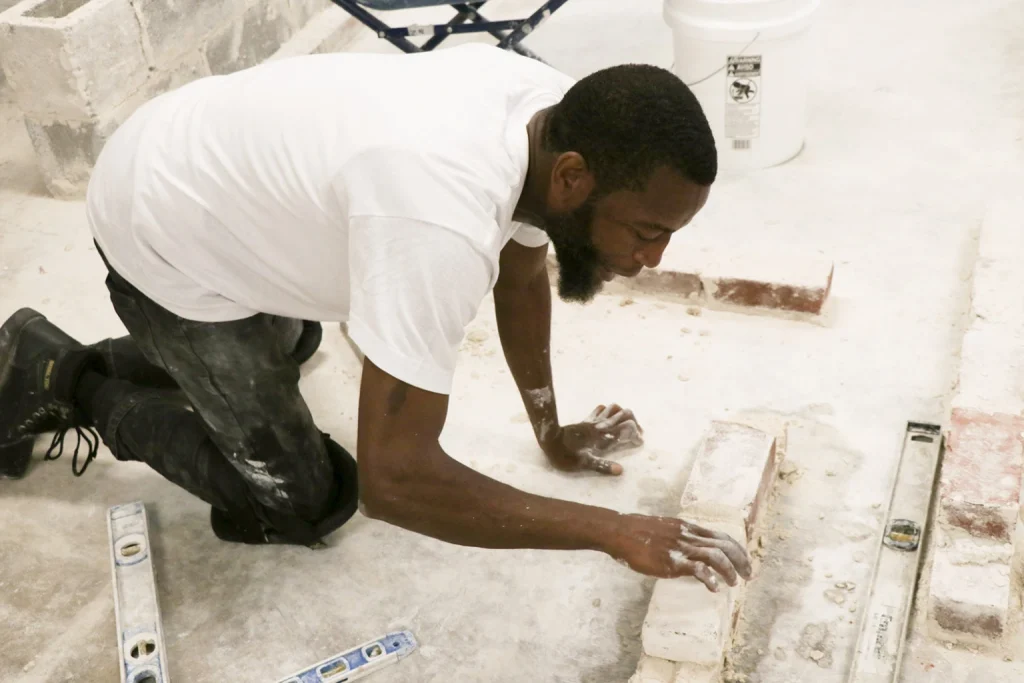
Philadelphia Technician Training Institute provides hands-on, career-focused training for students interested in developing practical skills. Its programs cover several technical fields, allowing prospective students to explore different career paths based on their interests.
If you are balancing a job, family commitments, and plans for further education, start by identifying the career you want to pursue. Then compare the relevant program’s schedule, cost, attendance requirements, and training outcomes with your existing responsibilities.
PTTI’s admissions interview and campus tour offer an opportunity to learn more about the institute and discuss your training goals. Use that conversation to ask specific questions about scheduling, student guidance, and employment preparation.
You do not need to have every detail of your future figured out before exploring your options. You do need a realistic understanding of the commitment involved and a plan that works for your circumstances.
Balancing work, school, and family takes planning, patience, and support. For many adults, the challenge is not a lack of ambition. It is finding an educational path that fits into an already demanding life.
Technical institutes in Philly can help students work towards career goals through practical, job-focused training. However, flexibility and student support vary by institution, so it is important to verify the details before enrolling.
Start by researching programs, reviewing your budget, and asking direct questions about schedules and support services. With the right information and a manageable plan, you can make a more confident decision about your education and your next career move.
The most valuable skills include Technical skills,communication, teamwork, attention to detail, and adaptability are valuable across many trades.
Yes. Many modern trades use digital diagnostic tools, computerized equipment, automation, sensors, and smart systems.
Hands-on training allows students to practice using tools, equipment, and materials while developing practical workplace skills.
Yes. Workers communicate with supervisors, coworkers, customers, contractors, and other professionals throughout their careers.
Yes. Continuing to learn can help you adapt to new equipment, technologies, procedures, and opportunities within your trade.
Read more links