
A sterile processing career can offer solid job security when built on the right foundation. Healthcare stays strong even when the economy struggles, and workers in this field rarely worry about layoffs. Why does this career path stay stable? Hospitals need surgeries performed every single day. Medical tools must be cleaned and sterilized properly, no matter what happens in the broader economy. People who know how to prepare surgical instruments correctly become essential to hospital operations.
This reality creates job security that most other fields simply cannot match during tough times.
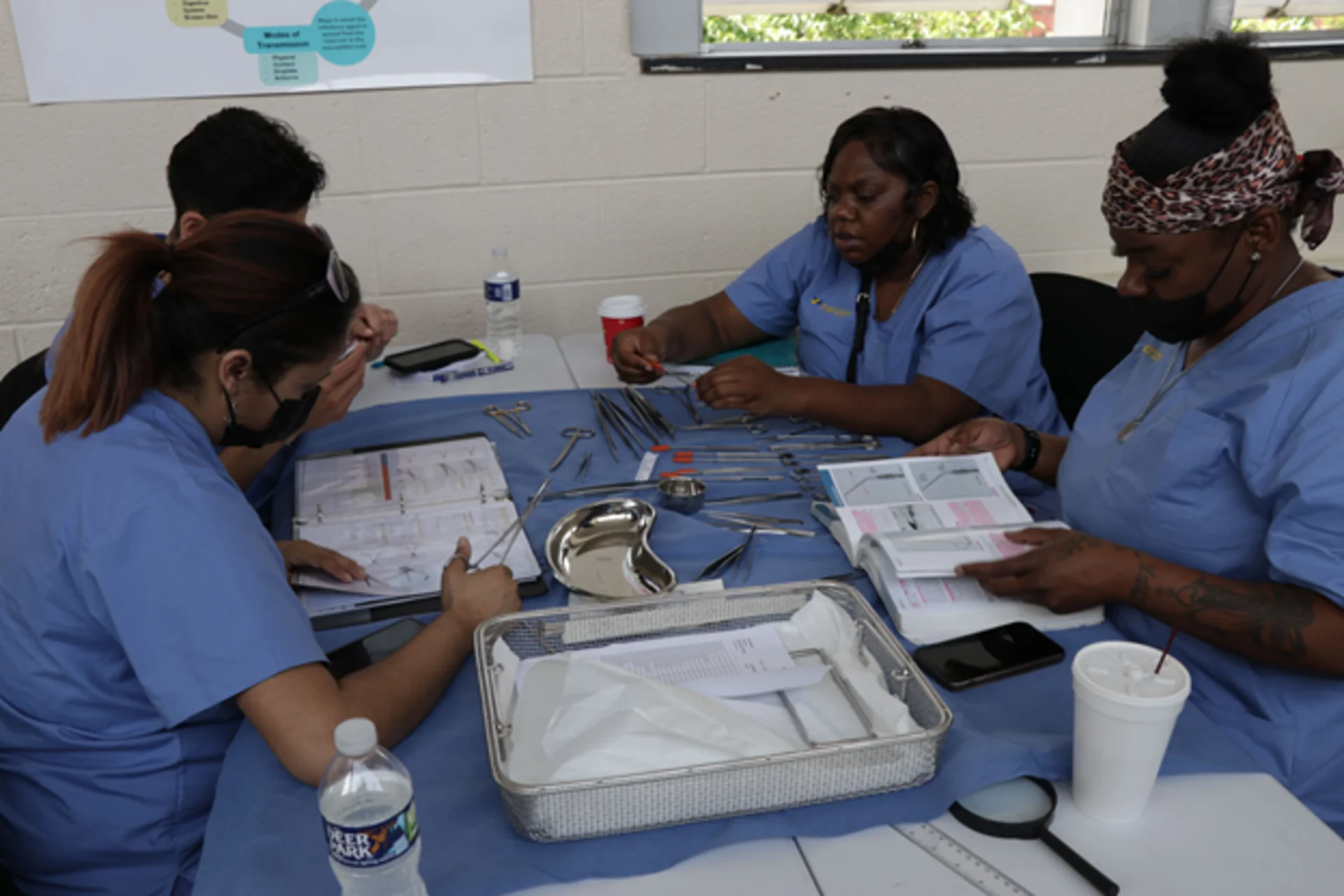
Starting with a quality sterile processing technician certificate program builds the foundation for everything else. These programs teach students about decontamination, sterilization methods, and how to handle delicate medical equipment safely. Hands-on practice during training helps future technicians feel ready for real hospital work, where mistakes carry serious consequences.
Many students pick shorter training options that mix classroom learning with actual practice time. Mastering sterile processing techniques takes real effort and focus on both book knowledge and practical skills. Completing a solid sterile processing technician training program shows employers that someone takes their work seriously and will do the job right.
Modern programs also cover new technology and updated sterilization approaches. Hospitals increasingly use automated systems and computer tracking software. Technicians who understand these tools have an advantage when applying for positions. Training that includes current technology prepares workers for what they’ll actually face on the job.
Professional certifications boost job security significantly for central service technicians in sterile processing departments. Two main organizations offer these credentials: the Certification Board for Sterile Processing and Distribution (CBSPD) and the International Association of Healthcare Central Service Materiel Management (IAHCSMM). Hospitals prefer hiring certified workers because these credentials prove someone knows their stuff.
Getting certified means passing tough tests that cover multiple topics. The exams include infection prevention, cleaning procedures, sterilization equipment, and quality checks. Keeping the certification current requires taking ongoing education courses, which help technicians learn about new developments and updated practices.
Certification brings financial benefits too. The median yearly pay for medical equipment preparers sits at $45,280, while top earners make $63,980 or more. Certified professionals typically earn more than those without credentials. Spending money and time on certification pays off throughout a career in multiple ways.
Central sterile technicians who develop specialized abilities create extra job protection. Hospitals need employees who can run complicated sterilization machines, fix technical issues, and show new workers how things work. Specialization areas include advanced instrument processing, endoscope cleaning, or putting together surgical case carts.
Knowing multiple sterilization methods increases how useful someone is to their employer. Steam sterilization gets used most often, but facilities also use ethylene oxide gas, hydrogen peroxide plasma, and other low-temperature options. Technicians who can handle different sterilization types become hard to replace.
Learning related skills adds even more value. Understanding inventory management, equipment repair, and quality control makes technicians more important to their departments. When hospitals face money problems during recessions, they keep versatile workers who can do several different jobs well.
Building relationships in the sterile processing field provides career insurance during uncertain times. Professional groups offer chances to meet coworkers, exchange ideas, and hear about job openings before they get posted publicly. Going to conferences and training sessions keeps technicians updated on field changes while helping them meet new contacts.
Finding experienced mentors speeds up skill growth and career progress. Veteran central service technicians often give advice about handling work problems and spotting opportunities for advancement. These connections can lead to job recommendations at other hospitals if security becomes questionable at a current workplace.
Joining online groups and social media communities focused on sterile processing opens more networking doors. These spaces let workers discuss best methods, solve problems together, and help each other through career changes. Staying active in professional groups shows dedication to the field and gets someone noticed by potential employers.
Healthcare changes quickly, so continuous learning matters for maintaining a recession-proof sterile processing career. New sterilization equipment, updated rules, and emerging diseases require ongoing education. Technicians who regularly attend workshops, take online classes, and read industry materials position themselves as knowledgeable workers.
Many hospitals offer tuition help or paid training for employees wanting extra qualifications. Using these benefits shows ambition while making a job more secure.
Career opportunities for sterile processing technicians keep expanding as medical facilities recognize how important infection prevention really is.
Staying current on rule changes ensures compliance and reduces risk for employers. The Joint Commission, FDA, and CDC regularly update guidelines affecting sterile processing work. Technicians who learn new requirements proactively become valuable assets who help facilities stay accredited and avoid fines.
Understanding employment patterns helps sterile processing technician training graduates make smart career choices. Healthcare consistently stays strong during economic downturns because medical needs don’t stop when money gets tight.
Growing demand for central service technicians comes from aging populations, more surgeries being performed, and increased awareness about infection control.
Where someone lives affects job availability and pay levels significantly. California has the most positions with 7,750 jobs and an impressive average yearly wage of $61,780. Other states also provide great opportunities with lower living costs that might offer better overall financial situations for workers and their families.bls
Having different employment options boosts career security during recessions. Hospitals employ most central sterile technicians, but outpatient surgery centers, dental offices, and medical device companies also need qualified workers. Knowing about alternative work settings provides backup options if main opportunities shrink.
Advancing into supervisor or management positions adds another layer of career protection. Medical facilities need experienced leaders who can train staff, run departments, and maintain quality standards. Sterile processing technician certificate program graduates who build leadership skills increase their worth tremendously within organizations.
Leadership positions require different abilities beyond technical knowledge. Good communication, conflict management, budget understanding, and project coordination separate supervisors from regular staff members. Taking leadership courses through formal education or professional development prepares technicians for promotion opportunities.
Showing initiative in current positions demonstrates leadership potential to bosses and administrators. Volunteering for committee work, training new employees, and suggesting process improvements display ambition and capability. These actions build reputations that lead to promotions and stronger job security when organizations restructure.

Economic uncertainty demands flexibility from workers seeking recession-proof careers. Central service technicians who willingly work different shifts, take temporary assignments, or move for opportunities increase their employment chances significantly. Flexibility signals reliability and dedication that employers really value during challenging periods.
Adapting to technology changes separates successful professionals from those who struggle. Automation and digital tracking systems transform how sterile processing work gets done, requiring technicians to embrace new approaches. Workers who resist change risk becoming outdated, while adaptable ones position themselves as forward-thinking assets.
Building skills that transfer to other roles creates safety nets during career transitions. Time management, close attention to detail, teamwork ability, and problem-solving help professionals across various healthcare positions. If sterile processing jobs unexpectedly decrease, these abilities make moving into related positions within medical facilities easier.
Building a recession-proof sterile processing career takes deliberate effort in several areas. Quality sterile processing technician training, professional credentials, specialized abilities, professional connections, ongoing education, market knowledge, leadership growth, and flexibility together create strong career security. Healthcare’s essential nature guarantees continued demand for skilled central sterile technicians who maintain the high standards patient safety requires. Workers who invest in developing themselves today will enjoy stable, satisfying careers no matter what economic conditions tomorrow brings.
Read More :