
Once you graduate, the only question arises , and everyone keeps asking, “So what’s next?” Maybe college feels like too much money for too many unknowns. Maybe you want to work in healthcare but don’t want to spend years in school. A central service technician career might be a better fit than you’d expect. It’s hands-on, it matters, and most people have never heard of it. Here’s what the job involves, what training looks like, and whether it’s right for you.
Think of any surgery. Before the surgeon picks up a single tool, someone cleans it, inspects it, and sterilizes it. That someone is a central service technician. You may also hear the title sterile processing technician. Both describe the same kind of work.
A normal shift can include:
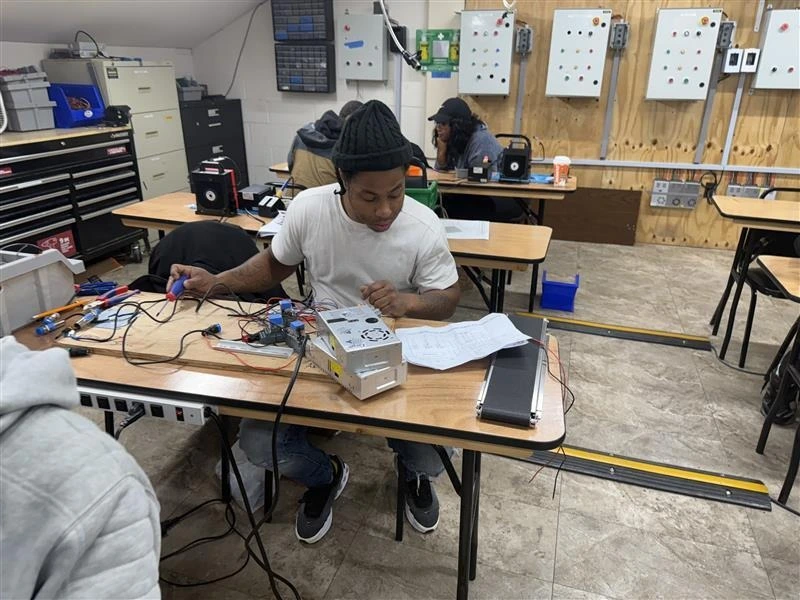
You won’t be in the operating room. But the surgery can’t happen safely without you. That’s a pretty big deal for a first career.
Not every career welcomes someone straight out of high school. This one often does. Additionally, you don’t need years of prior experience to start training.
Here’s why it works for recent grads:
Most programs ask for a high school diploma or equivalent. Check the exact requirements with any school you’re considering.
Look at the quick training . At Philadelphia Technician Training Institute (PTTI), the Sterile Processing and Central Services program is a hybrid. It totals 1,100 hours. That includes 200 hours of online lecture, 500 hours of hands-on lab, and 400 hours of externship. The program leads to CRCST certification and aligns with HSPA standards.
The following tables show how the skilled trade program is divided among practical training and hands-on training: about 18% online lecture, 46% hands-on lab, and 36% externship. Hands-on lab takes the biggest slice.
| Training Component | Hours | Rough Share |
| Online Lecture | 200 | ~18% |
| Hands-On Lab | 500 | ~46% |
| Externship | 400 | ~36% |
So you’re not just reading about sterilization. You do it, then practice it in a real setting. You’re not just learning the basics or theory; you’re applying these experiences in a real environment.
This is the most important certification for becoming a Sterile Processing Technician. Employers want proof you know the standards. That’s where CRCST certification comes in. It’s one of the most recognized credentials in this field. Many hospitals also list it as required or strongly preferred.
Here’s what it does for you:
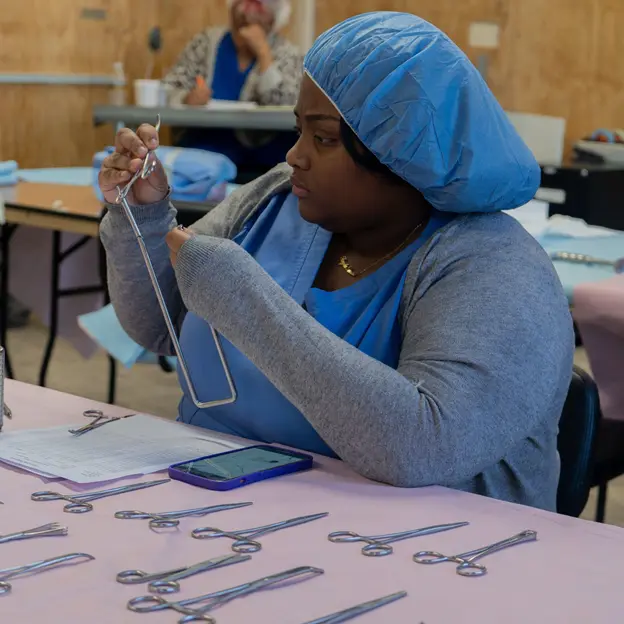
Always confirm current exam requirements with HSPA before you plan your timeline. Rules can change. It varies year to year as someange.
Let’s keep it clear and true regarding Central Processing Technician career growth. Entry-level pay starts modest, then grows with experience and certification. Also sterile processing technician salary varies according to location and experience.Here’s a general picture:
| Experience Level | Typical Hourly Range |
| Entry-Level | $16 – $20 |
| Mid-Career | $21 – $26 |
| Experienced/Certified | $27 – $34+ |
These figures are based on BLS reports, analyzed and sorted here. Check current BLS or local data before publishing.
Many hospital jobs also come with benefits, and night or weekend shifts can pay extra. So the hourly rate isn’t the whole story. It is considered a flexible job in terms of work-life balance and is good for women. The working environment is safe and secure . PTTI also offers hybrid training in sterile processing for a few concerned cases . This is also safe and flexible for women in the trade. Working women, or single mothers, can make this a strong choice.
Here’s the part most people miss. A central service technician career isn’t a dead end. Therefore, think of your first job as a starting line. This career has a strong placement rate in top health care facilities in the city.
Common next steps include:
Some people also use this job as a stepping stone into other healthcare roles. You learn how hospitals run, which is useful no matter where you end up. This can lead to many career opportunities, from assistant supervisor to manager, etc.
The following tables depict where employers are placed as a sterile processing technician and what they get : roughly 50% hospitals, 25% surgical or outpatient centers, 15% specialty clinics, and 10% other healthcare settings. Hospitals take the biggest share.
| Employer Type | Rough Share | What It Offers |
| Hospitals | ~50% | Larger teams, more room to grow |
| Surgical/Outpatient Centers | ~25% | Steady schedules, smaller crews |
| Specialty Clinics | ~15% | Focused instrument work |
| Other Healthcare Settings | ~10% | Varied roles |
Note: These percentages are illustrative, not official statistics.
Overall, you’ve got options across a lot of different workplaces.
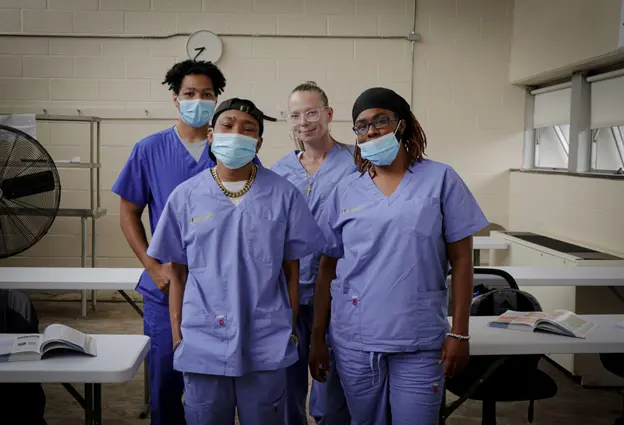
Every career has trade-offs. Central service work is steady and important. However, it isn’t glamorous. You’ll stand a lot. You’ll follow strict rules, and shortcuts aren’t allowed. Some shifts start early or run late. Good salary Package of sterile processing technician
This career might fit you if you:
It may not fit if you hate repetition or can’t stand strict protocols. And that’s okay. Better to know now.
You’ve got choices. Let’s put them side by side. Other health care streams offer paths after high school. Moreover, remember that no path is “right” for everyone.
| Factor | Central Service Training | Four-Year College |
| Typical Length | Months to about a year | 4+ years |
| Learning Style | Mostly hands-on | Mostly classroom |
| Cost | Often lower | Often higher |
| Time to First Paycheck | Shorter | Longer |
Note: Costs and timelines vary by school. Compare real numbers before deciding.
Some people also start working in healthcare first, then add college later. That works too. By the time they even realize how to use instruments as a sterile processing technician.
Healthcare doesn’t stop for a while . It runs 24/7, from emergencies to early appointments. Surgeries and procedures happen every single day. Demand for sterile processing technicians is high across the USA because the work is safe for women and offers a flexible schedule. You work with the best surgeons. However, Recent reports from the U.S. Bureau of Labor Statistics project steady growth in healthcare support occupations over the next decade. So employers keep needing trained people. That demand supports your odds, though effort still matters most.
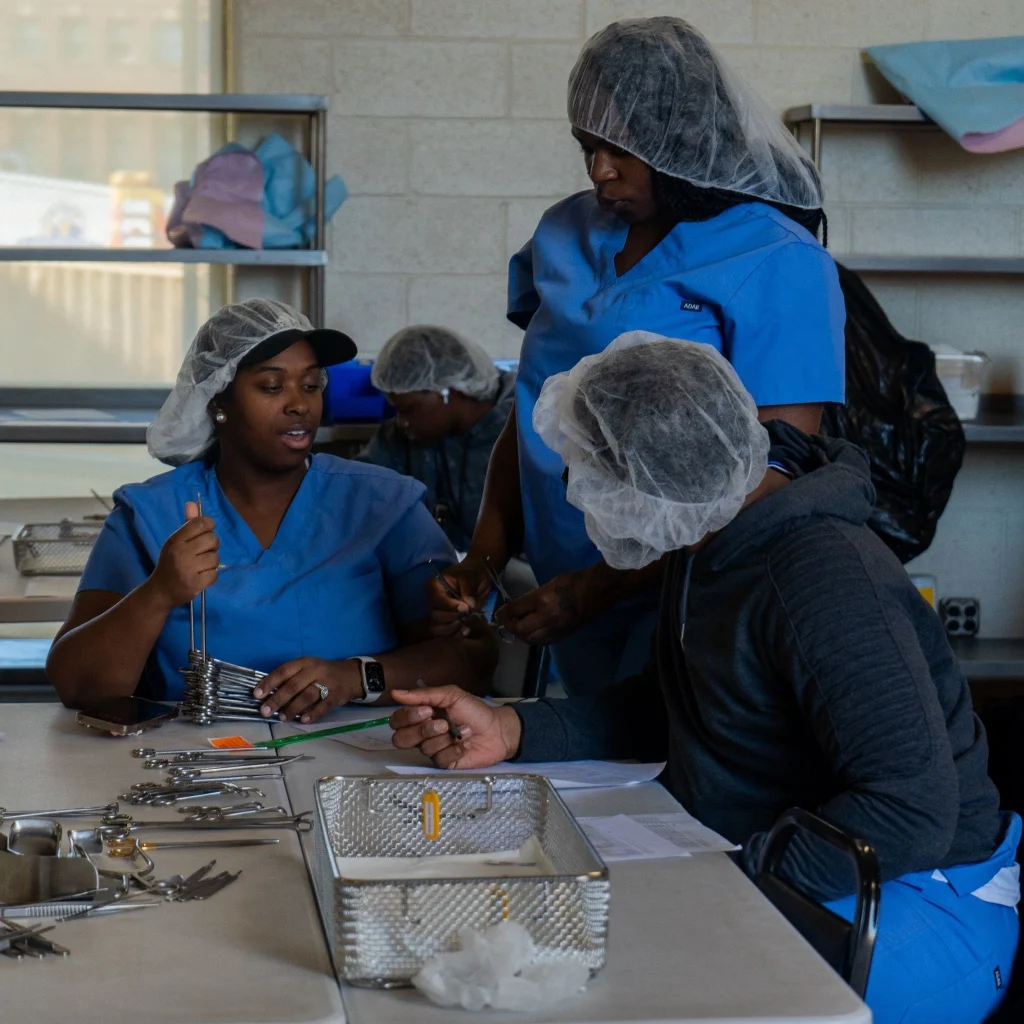
Money worries stop many people. Healthcare is quite expensive , but studying sterile processing is not much in PTTI. Therefore, talk about cost early. PTTI accepts FAFSA applications (school code: 042213), and an admissions advisor can walk you through your options. Ask for the real numbers in writing. Don’t guess.
PTTI builds hands-on lab work, designed its program especially for graduates and high schoolers, and includes externships and career coursework. That includes Job Application Skills, which covers resumes, interviews, and workplace expectations. However, PTTI also offers valuable certifications and helps with hiring . Most students have above 90 percent chances of placement.
Here’s how to get started:
No Trade school can guarantee a job. But strong support around you greatly improves your odds. Especially with valuable certifications and skills, it makes career goals achievable. PTTI will help you reach your financial goals while upskilling with the best instructor.
A central service technician career gives new graduates something rare: fast training, a real role in healthcare, and room to grow. However, it takes dedication and congnitive ability to recognise the issues and solve them very quickly . Between hands-on lab time, recognized certification, and steady demand, it’s a smart move for the right person. Overall, you don’t have to pick a path just because everyone else did. Pick the one that fits you.
Sterile Processing technicians clean, sterilize, and prepare surgical instruments to keep procedures safe.
They describe the same kind of work. Titles vary by employer.
No. Most employers look for training and certification, like CRCST.
The hybrid program totals 1,100 hours, including online lectures, hands-on lab work, and an externship. Confirm the current schedule with admissions.
No school can guarantee a job. PTTI offers career coursework, externships, and employer connections, and reports a placement rate near 92%.
Read More: