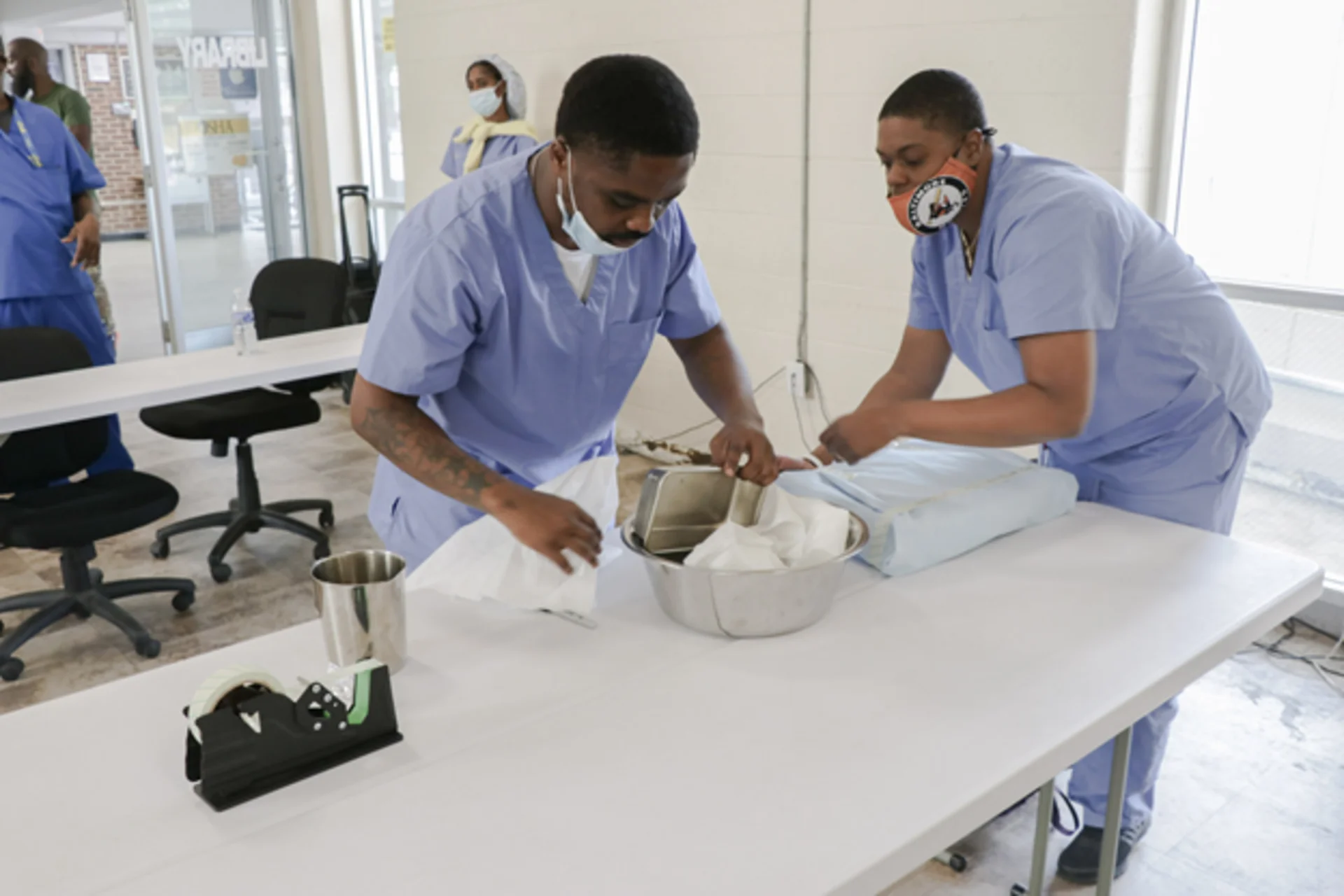
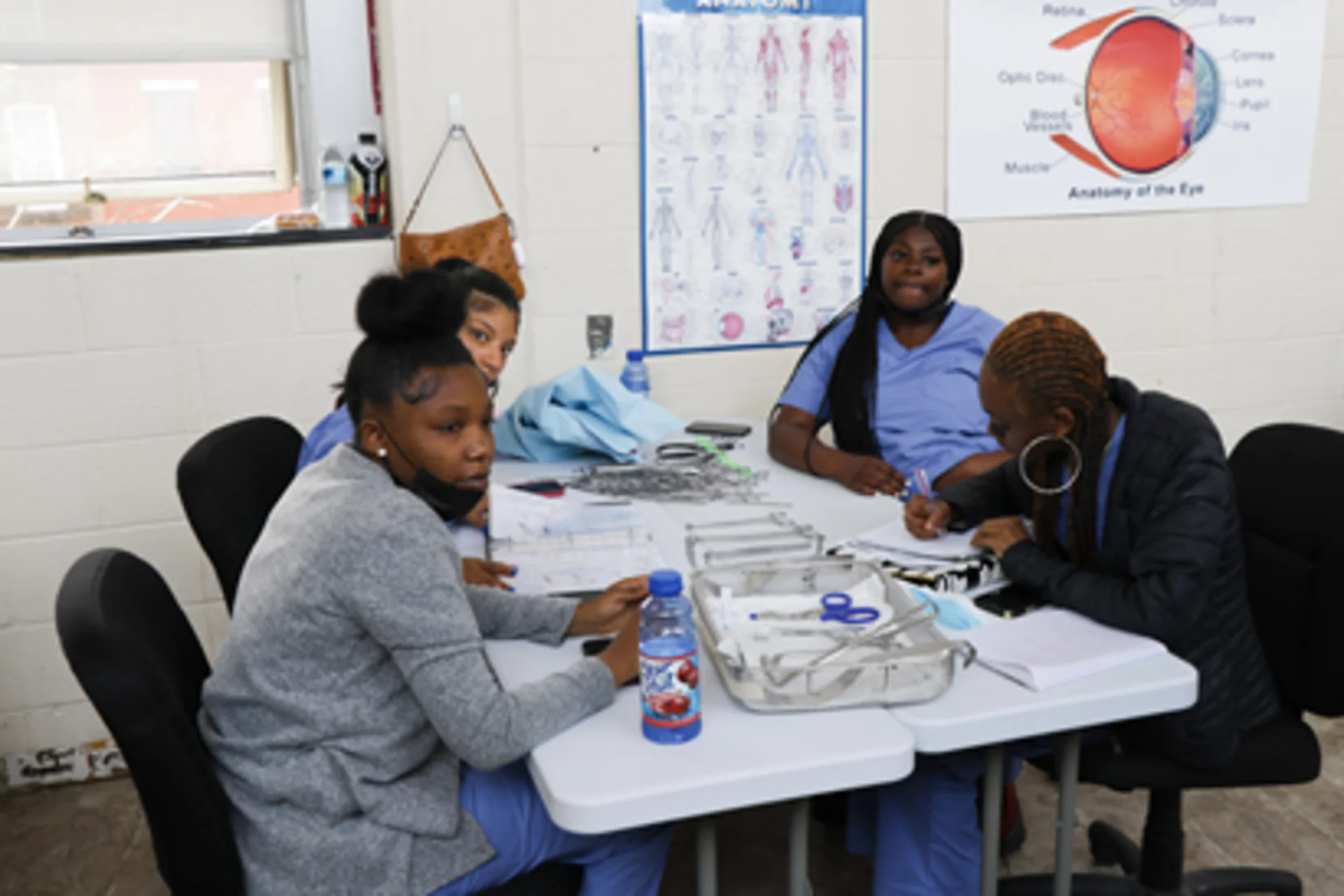
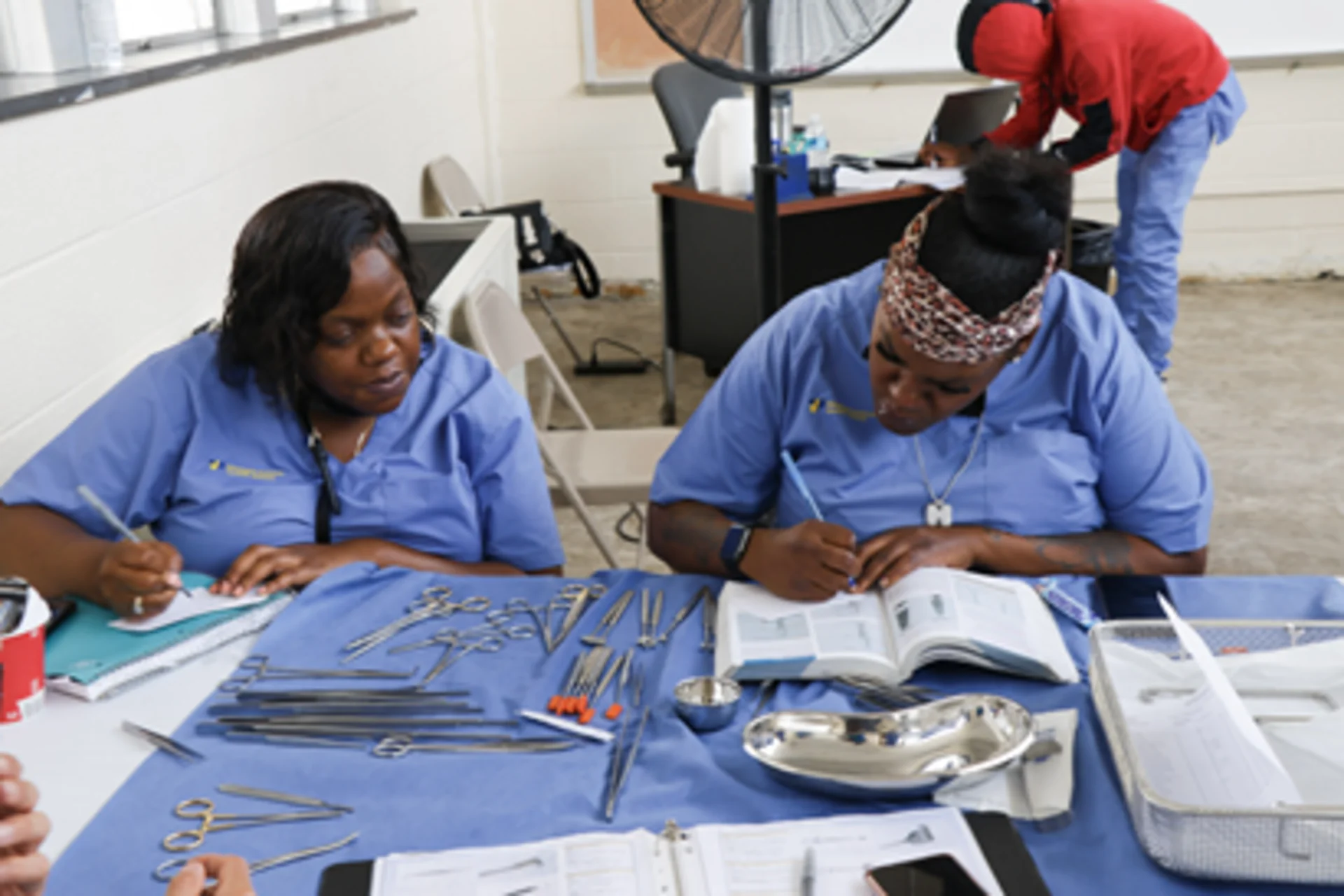
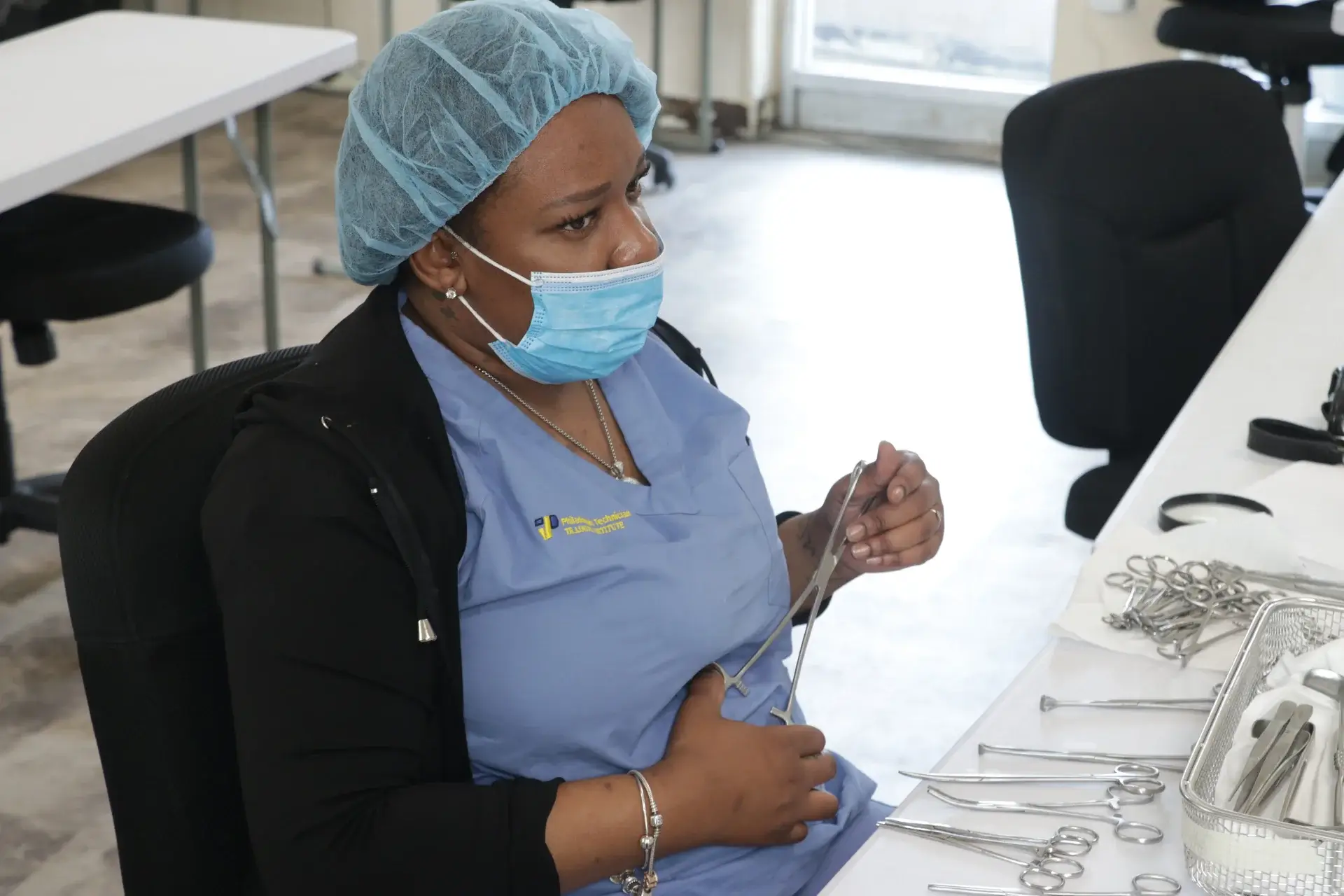
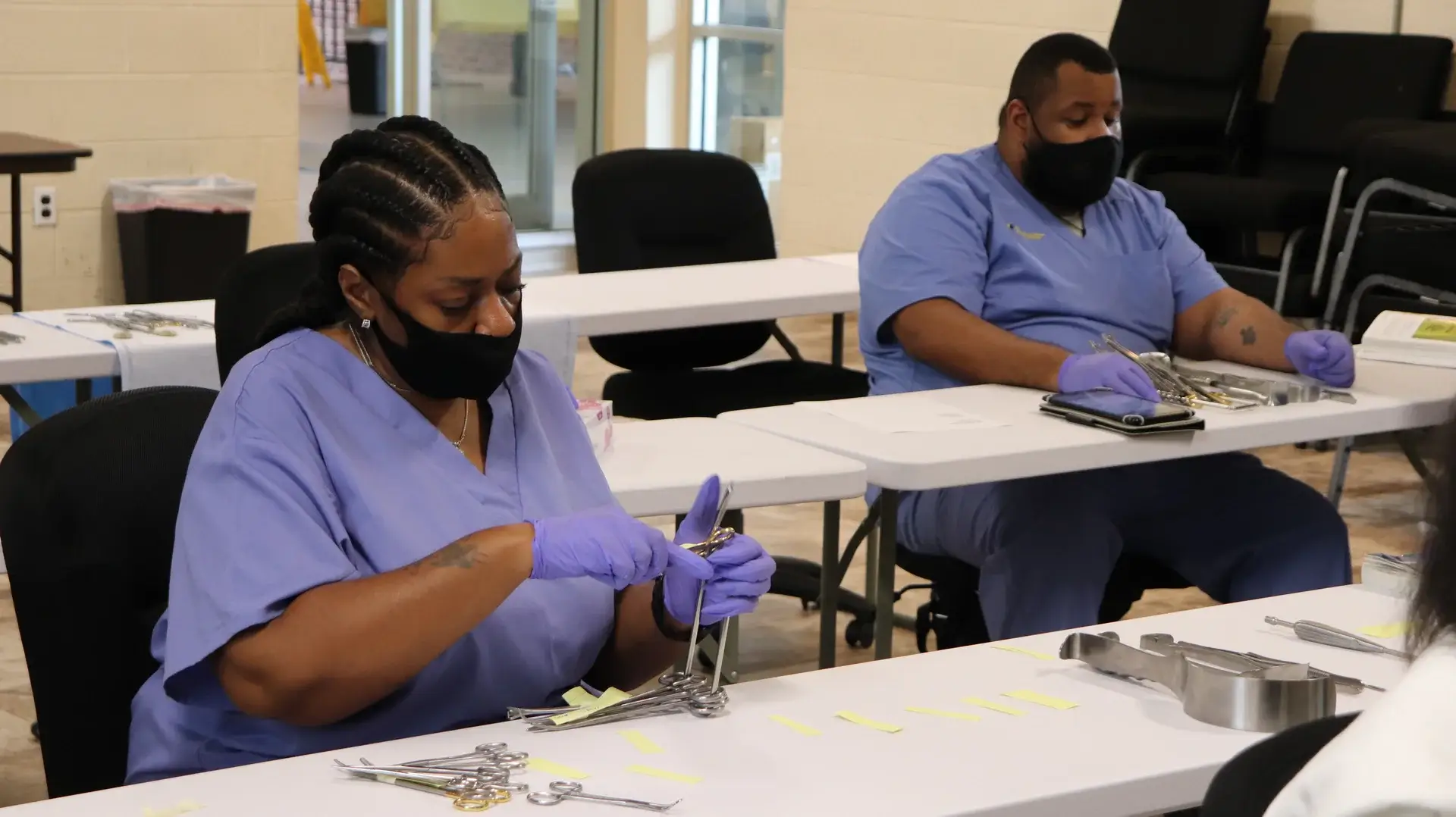
Sterile processing is a critical aspect of healthcare, ensuring that surgical instruments and medical devices are safe for patient use. The process involves cleaning, disinfecting, and sterilizing the equipment to prevent infections and ensure they function correctly.
Processing sterile materials is a relatively low-stress job, despite the high demands that come with it. While this position has high expectations and a heavy workload, it is generally less stressful than other healthcare jobs due to the minimal patient.
Sterile Processing Technicians play an essential part in the healthcare industry. They ensure that medical instruments and equipment are adequately sterilized, cleaned, and packaged before being used in surgical procedures. The job requires attention to detail, knowledge.
Sterile processing professionals are critical to the healthcare industry, as they ensure that medical instruments, equipment, and supplies are free from pathogens and safe for patient use. With the increasing focus on patient safety and infection control in healthcare settings.
As a sterile processing technician, your job is to ensure that surgical equipment and instruments are properly cleaned, sterilized, and packaged for use in medical procedures. This important role requires a high level of attention to detail, technical knowledge, and.
Sterile processing technicians disinfect non-disposable instruments used in surgical or medical procedures. They are cleaned in a variety of ways to make them ready for reuse. This is the basis of the sterile processing process. The equipment is first brought.
Sterilization is a critical aspect of healthcare and medical services, and it is the responsibility of sterile processing technicians to ensure that medical equipment and instruments are free from contaminants and pathogens.
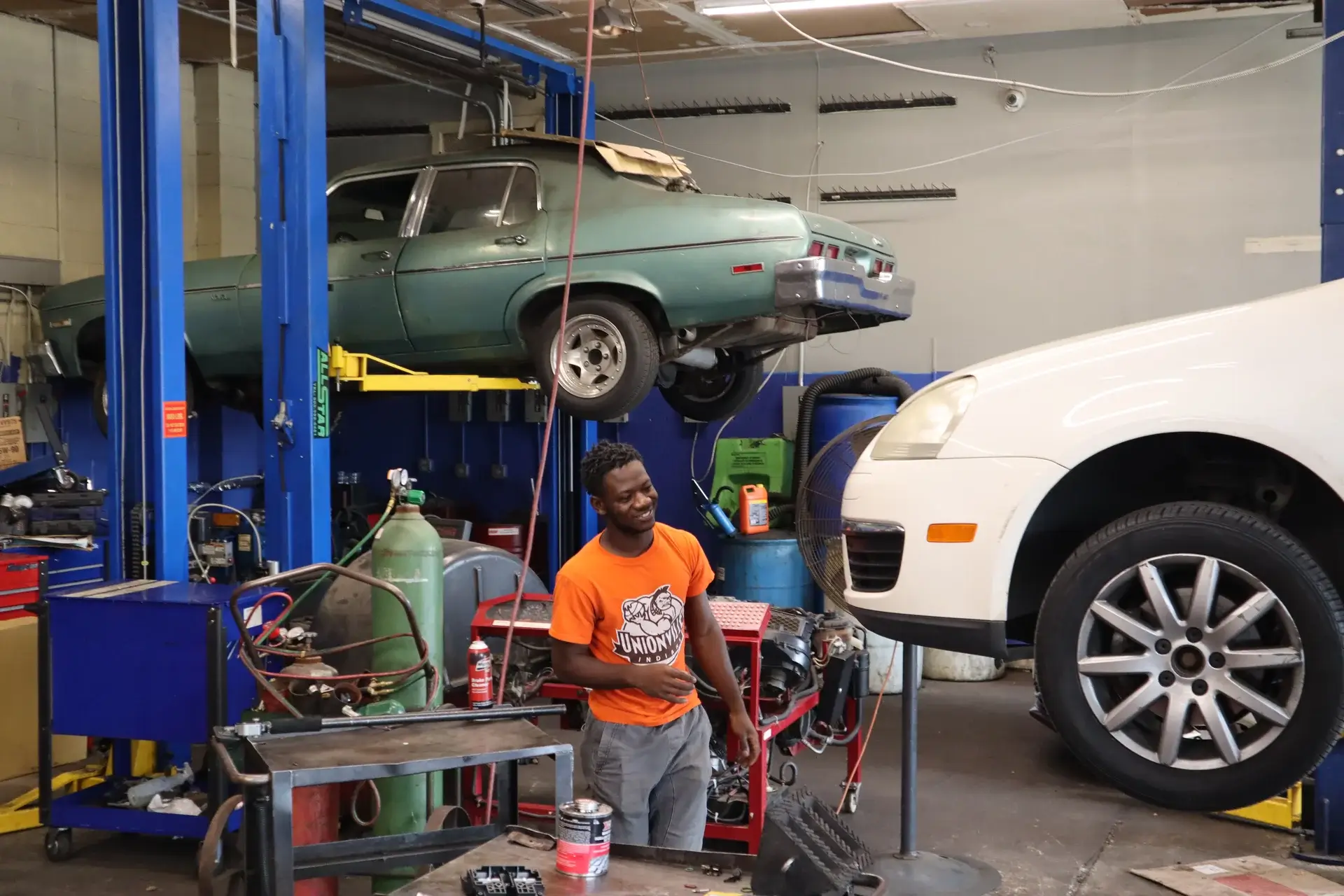
Working as an automotive technician can be rewarding because you can fix the appliances many people rely on daily. An automotive technician works in numerous fields, as many enterprises rely on machinery and automation.
The demand for Sterile Processing Technicians, also known as Central Service Technicians, is growing due to the increasing number of surgical procedures and medical procedures being performed. These technicians play a vital.
Sterile processing technicians, also called central service technicians, play a significant role in the healthcare industry. They are liable for sterilizing, decontaminating, and distributing medical instruments or equipment used in.