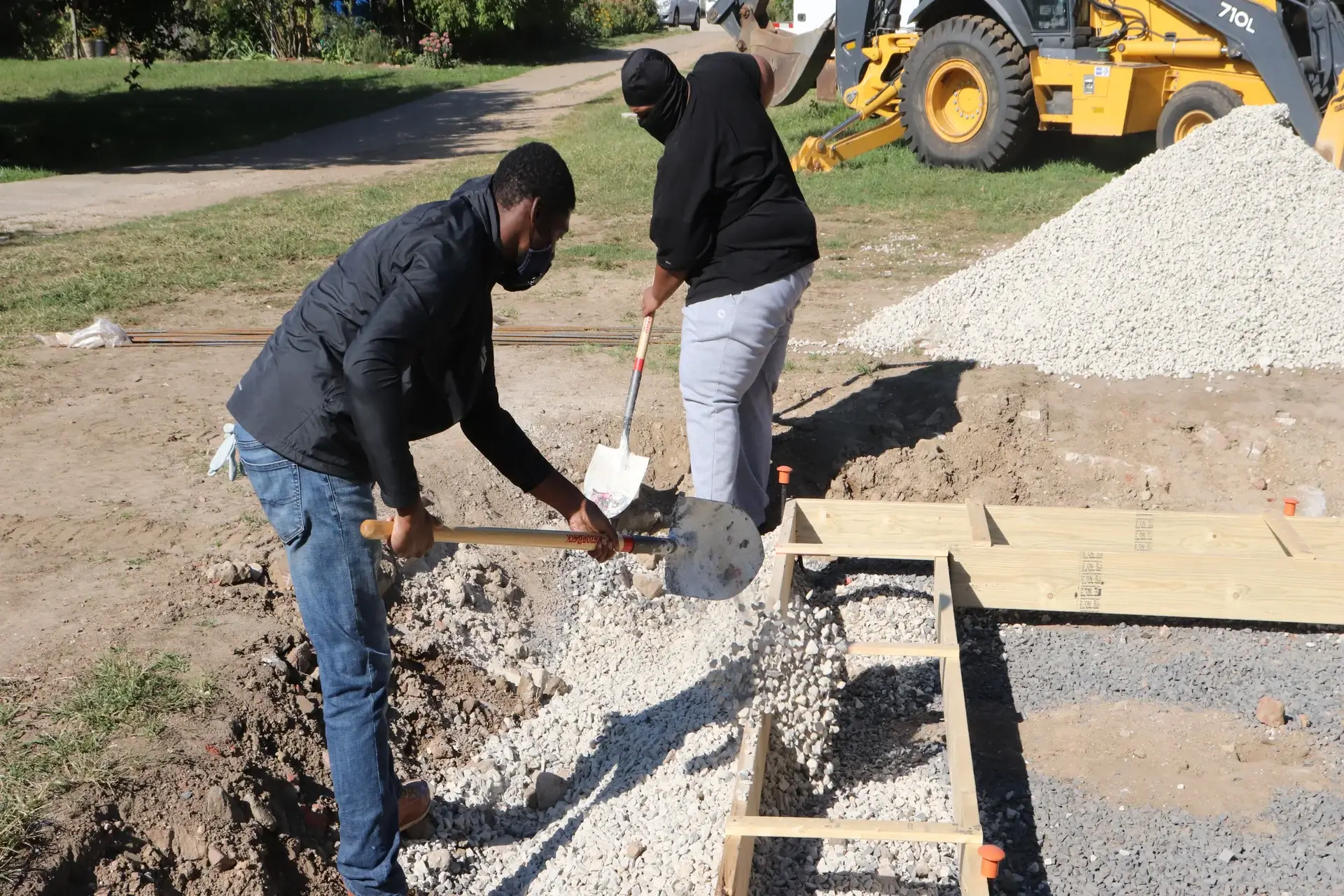
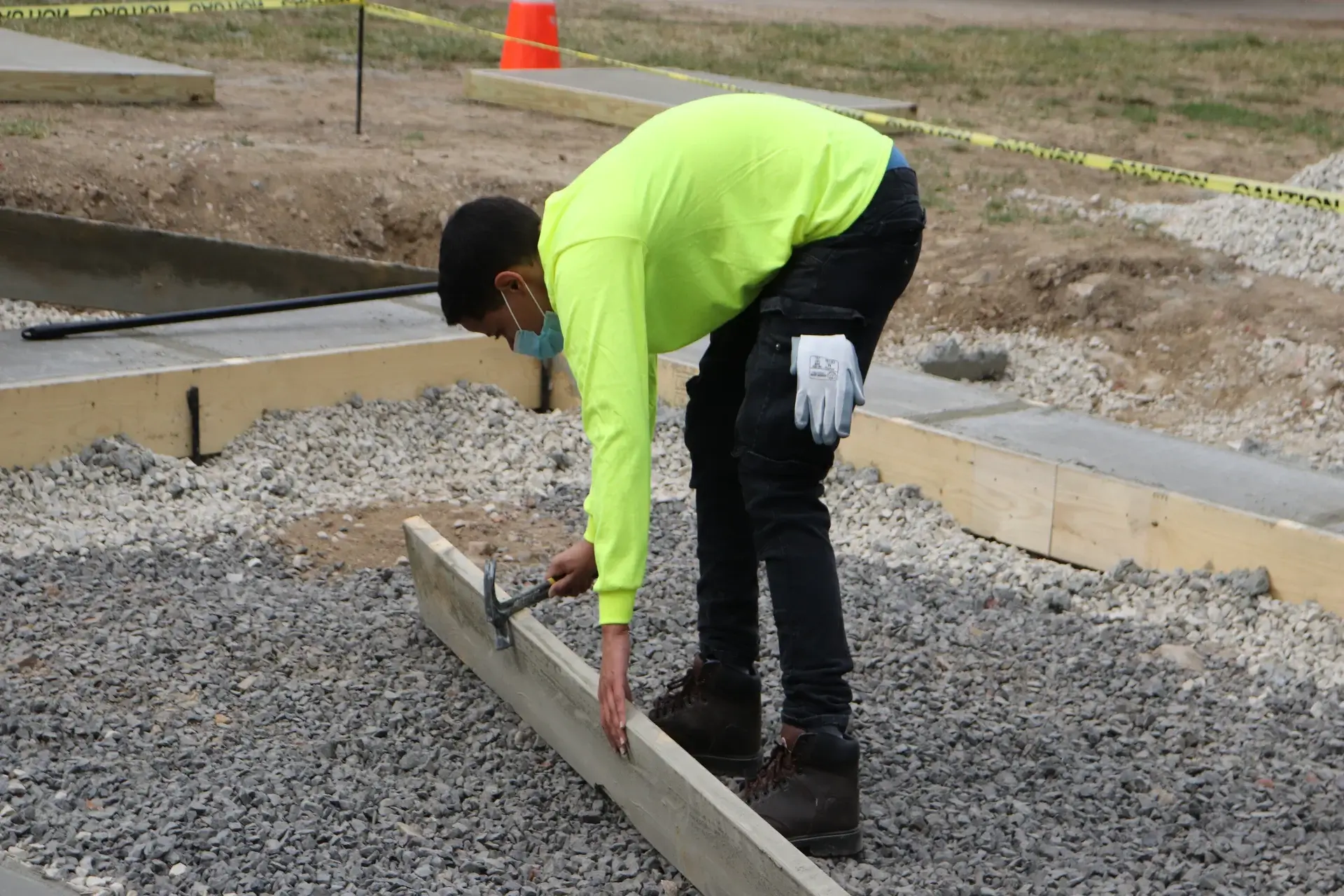
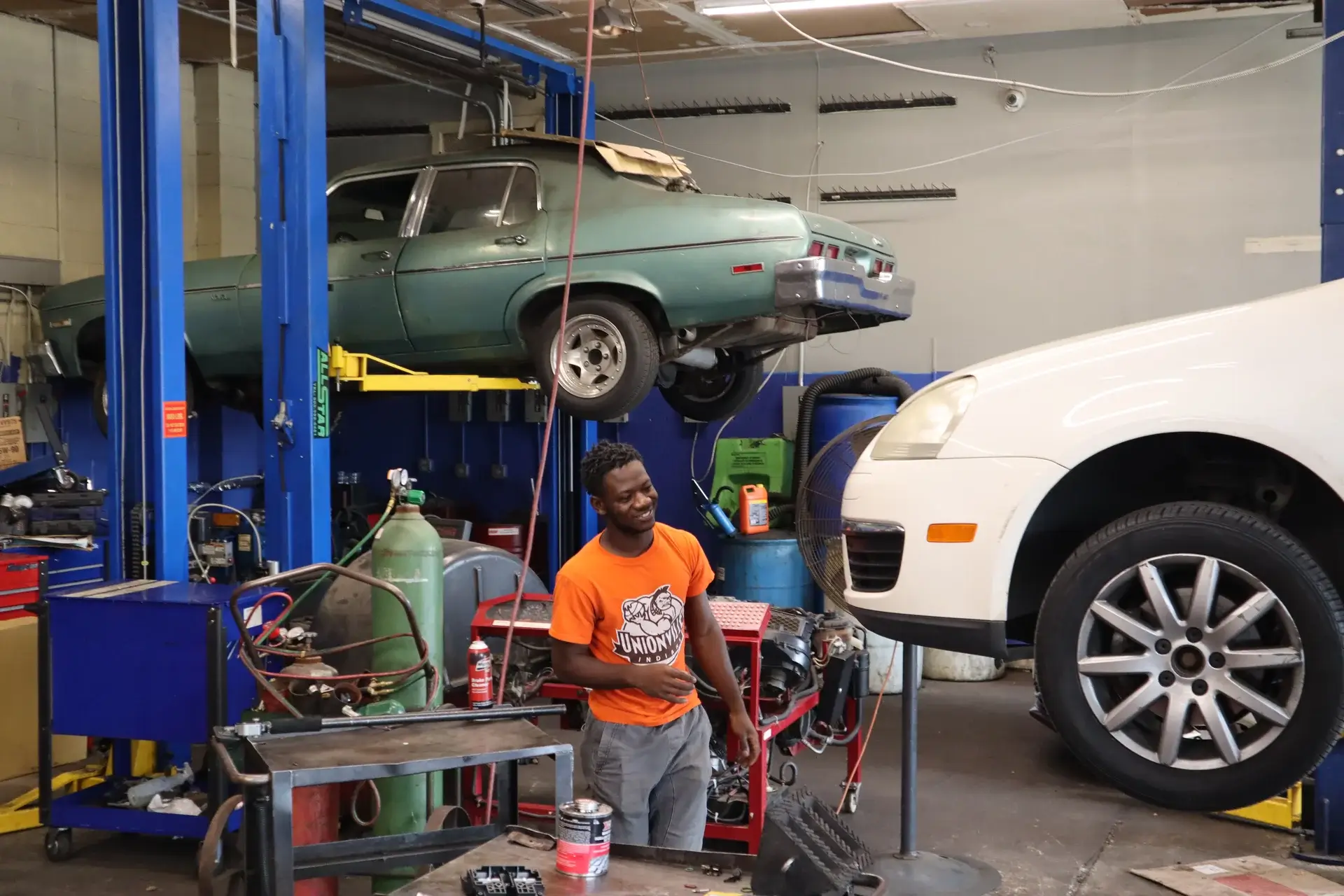
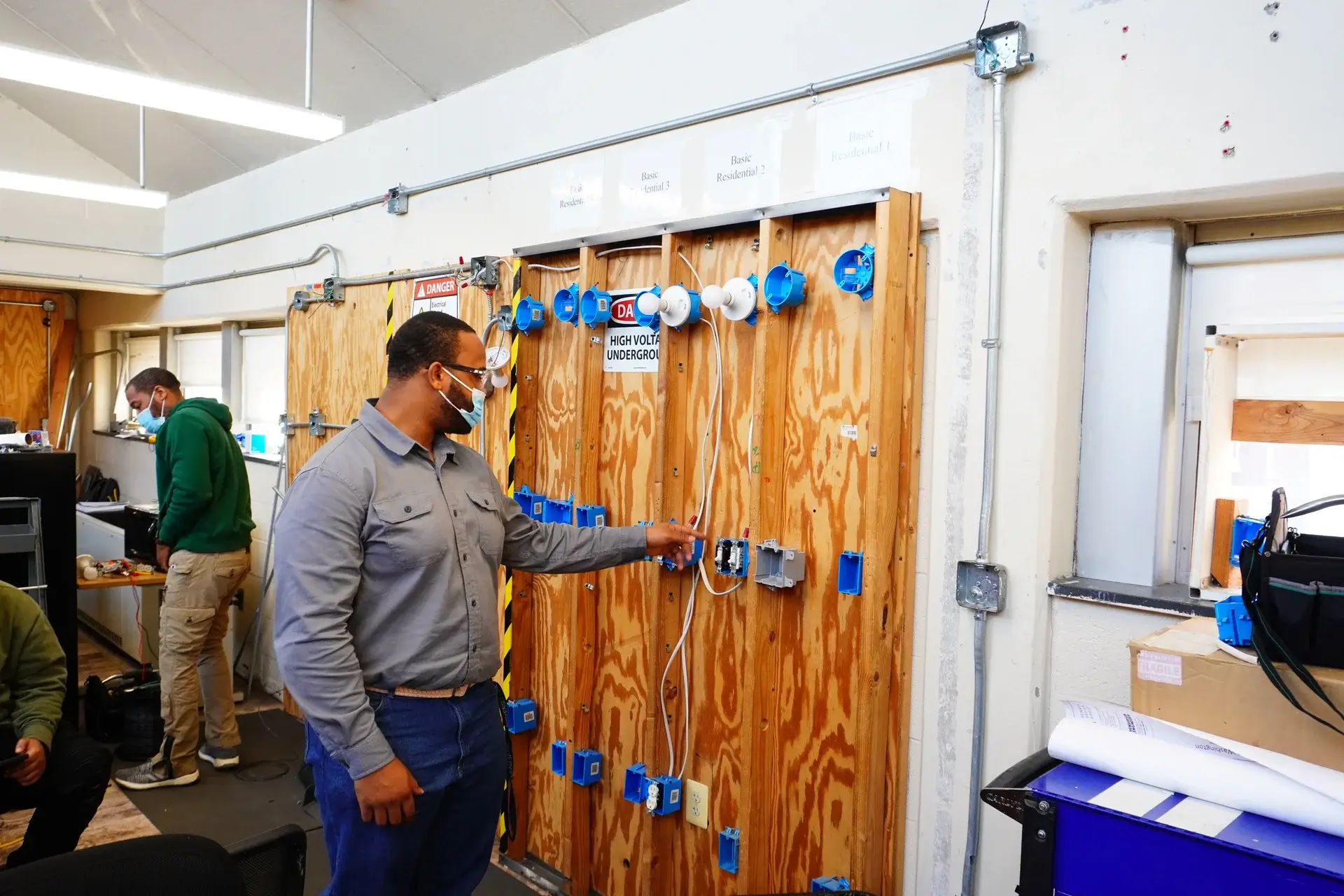
Construction training is often significant to keep employees updated with the modern technologies and practices they can use at the workplace. In addition, training programs can enhance employees’ productivity and quality.
A genuine excitement to get commenced is among the best things an employer can wish to see in a new worker. Few workers are more excited and enthusiastic to get out in the area and prove their worth than a.
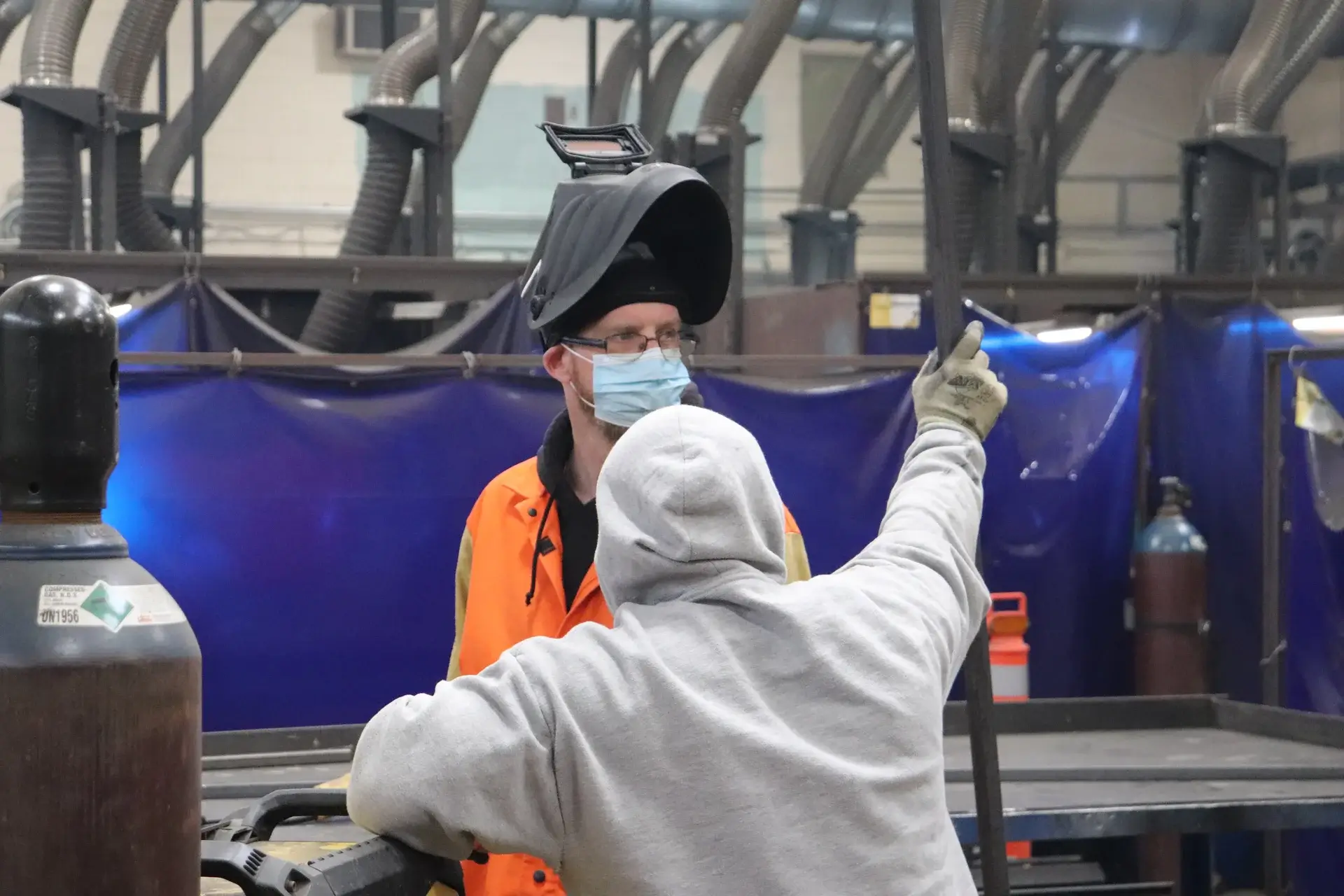
When it comes to welding jobs, personal safety is not an option. As a welder, every judgment you make should be directed by safety standards established by organizations like the ANSI (American National Standards..
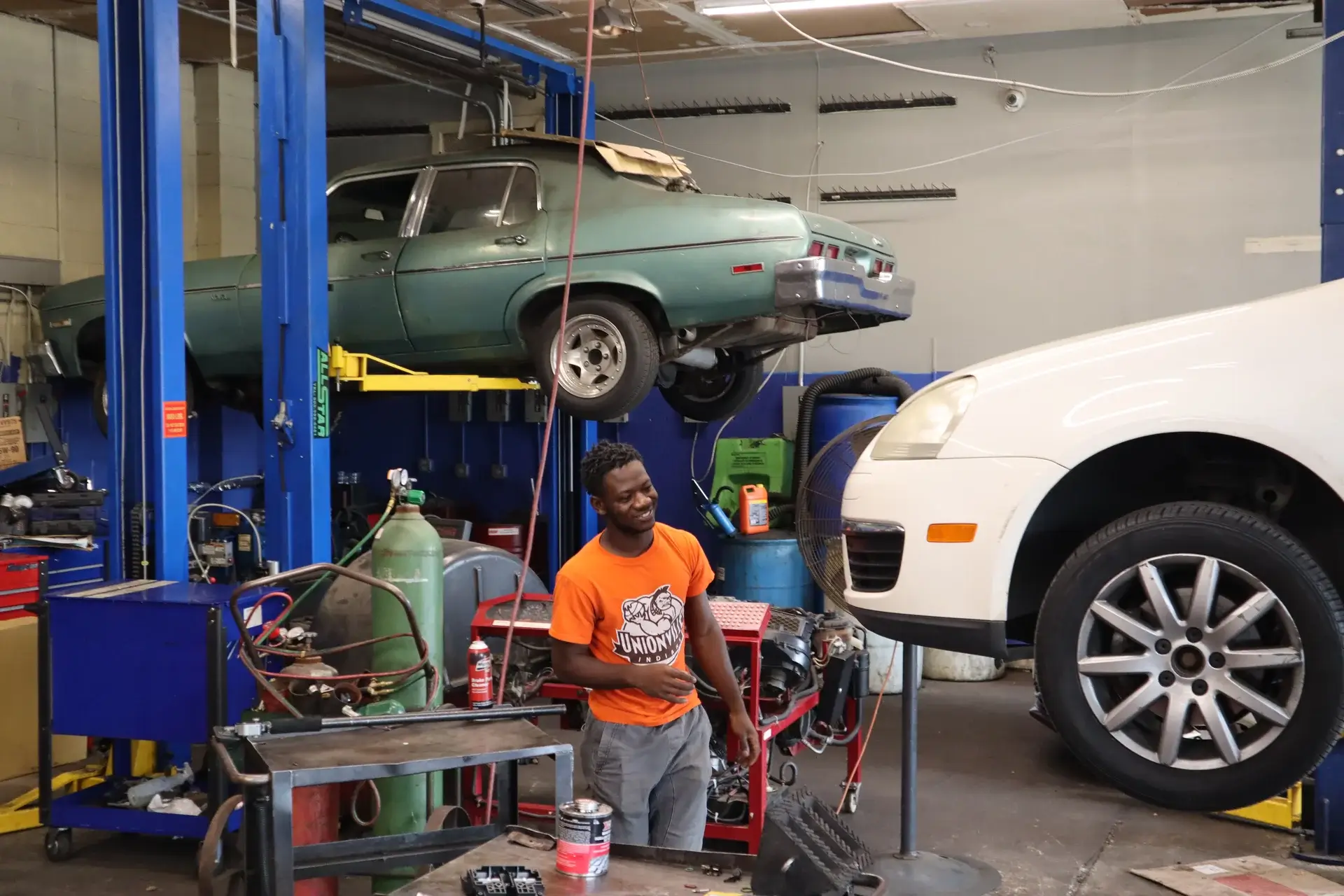
Being an automotive mechanic can be an exciting and rewarding career. However, auto repair shop owners and their staff members need to ensure that proper safety procedures and practices are implemented and followed.
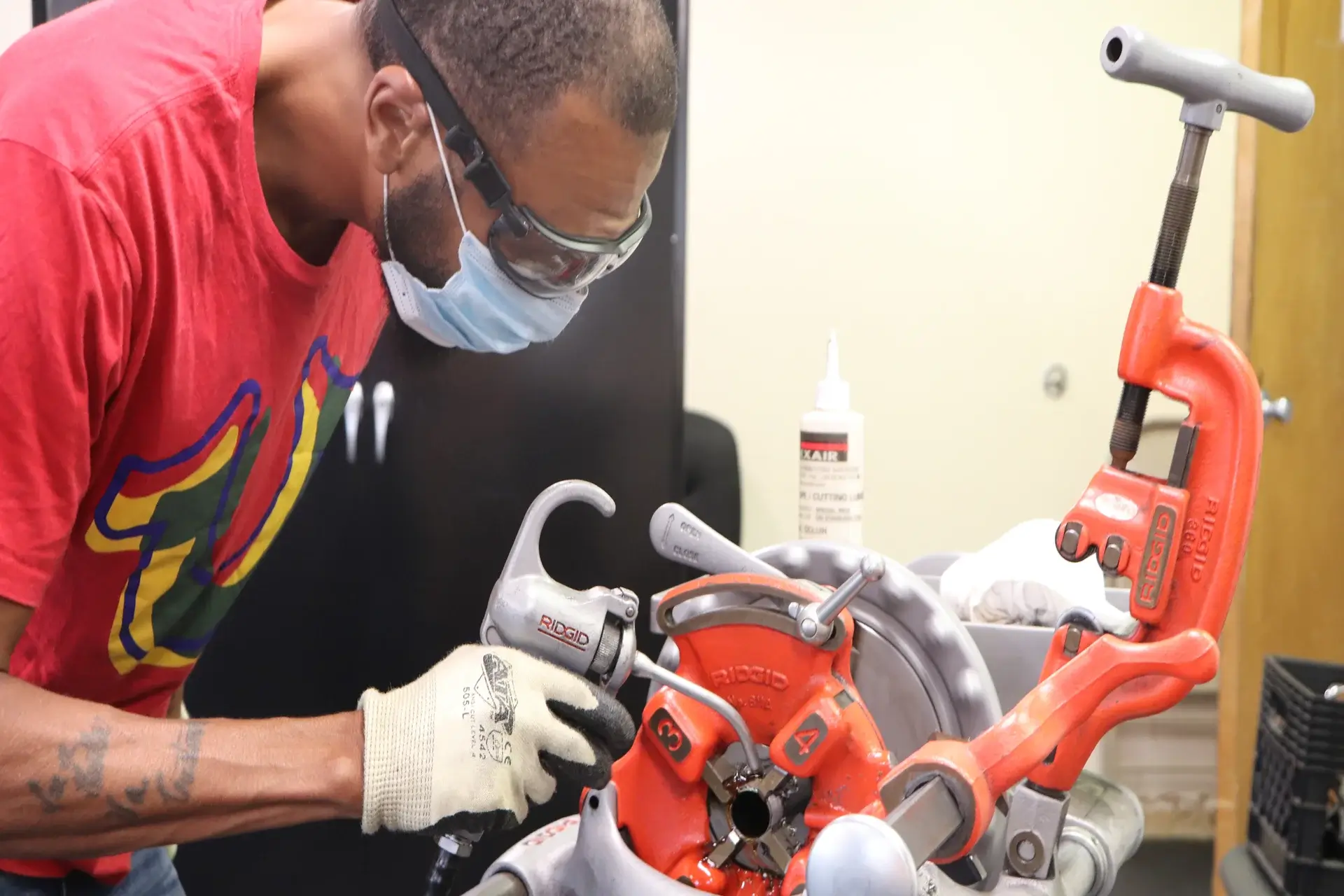
If you are a plumber, chances are you have been through quite a bit and have been in skilled situations where a particular tool or equipment is in a critical situation. But if you are not yet a plumber or.
Job interviews can be very stressful for both the company and new hires. Hiring managers must make a good choice of who to hire, given the kinds of projects they generally do and the team. Here is a list of.
When the drywall contractor’s work is finished, a building begins looking like a building, and the finish line of the multi-year scheme is approaching. This is a vital phase in the project because the function of the drywall contractor.
Construction professionals, such as architects, engineers, and building contractors, play a critical role in shaping the built environment. These skilled workers design, plan, and build safe, functional, and aesthetically pleasing.
Have you always been fascinated by the ins and outs of the automobile engine? Does troubleshooting the parts of a car sound like a good way to spend your afternoon? Are you enchanted by the latest models of cars and.
Electricians install commercial and residential electrical systems and troubleshoot issues when the electricity goes out. Some are self-employed, but others work for electrical firms. Though electrician jobs make reasonable.