
Have you noticed that these days more people, especially youth, are talking about trade schools? Across the United States, trade school enrollment is booming as more students and working adults choose practical career paths over traditional four-year degrees.
Moreover, earning a bachelor’s degree was considered the only path to career success. Today, that mindset is changing. Rising college tuition, student loan debt, and a growing demand for skilled workers have encouraged thousands of people to explore an alternative skilled trades training.
In 2026, students and high schoolers are looking for education that leads directly to employment. They want hands-on experience, shorter vocational training programs, and careers that offer stability and growth. As a result, trade schools education have become one of the fastest-growing education choices in the country.
In this guide, we’ll explore why trade school enrollment continues to rise, what industries are driving the demand, and how students can benefit from this growing trend.
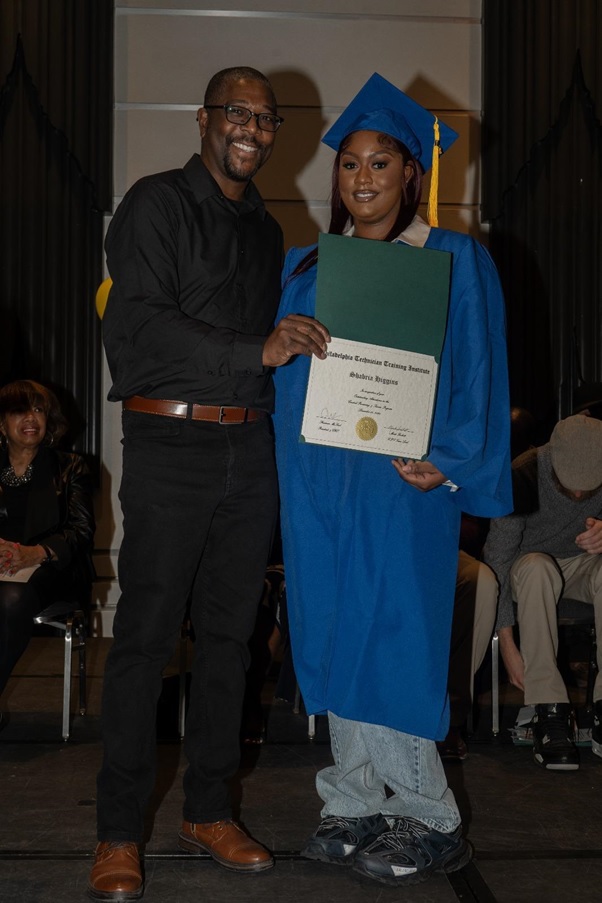
The education search landscape has changed significantly over the past few years. Youth are now asking a different question. Instead of asking, “Which college should I attend?” they’re asking, “Which career will help me start working sooner?” Which skills will get me a higher pay? That shift has fueled the rapid growth of trade school enrollment across many states.
Many trade school programs can be completed in less than a year, allowing students to enter the workforce much sooner than traditional college graduates. Instead of spending four years in classrooms, students gain practical experience that prepares them for real jobs. This approach appeals to people who want to start earning quickly while building valuable career skills.
The cost of higher education, especially in states with larger populations, along with the presence of few megacities, continues to rise. Many families are carefully evaluating whether a four-year degree provides the best return on investment. In contrast, vocational education offers affordable, career-focused training that prepares students for high-demand industries without the burden of significant student loan debt. For many students, this practical approach makes financial sense.
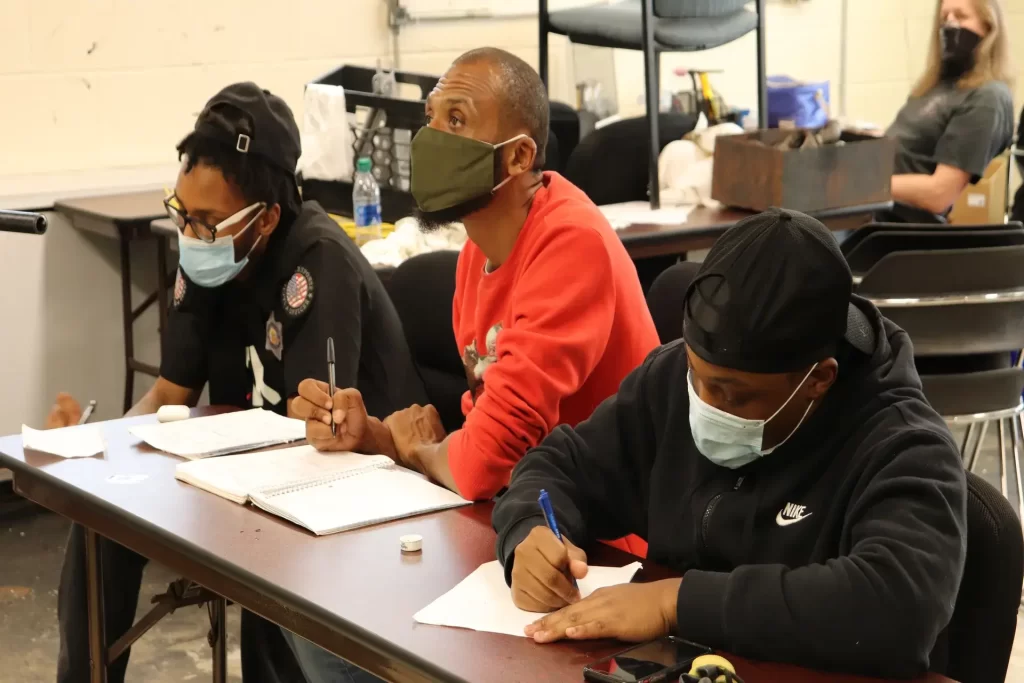
Across construction, healthcare, manufacturing, transportation, and skilled trades, employers continue searching for qualified workers. As experienced professionals retire, companies need a new generation of trained technicians to fill critical positions. This growing demand creates opportunities for graduates of trade school programs who enter the workforce with practical skills.
Several industries continue to expand and create strong career opportunities.
Construction remains one of the largest employers of skilled workers.
Companies and local business employers need professionals trained in:
Infrastructure improvements, commercial developments, and residential construction continue to create steady demand for skilled professionals.
The healthcare industry also faces ongoing workforce shortages. The construction of more hospitals leads to a demand for more surgical technicians
Programs such as Sterile Processing Technician prepare students for roles that support hospitals, surgical centers, and medical facilities. However, these careers often require shorter training periods while providing excellent long-term employment opportunities.
Modern E-vehicles rely on advanced computer systems and electronic diagnostic systems. But Today’s automotive technicians do much more than repair engines. They diagnose electrical systems, service hybrid technology, and use digital equipment every day. This technological evolution continues to attract students interested in combining mechanical skills with modern innovation.
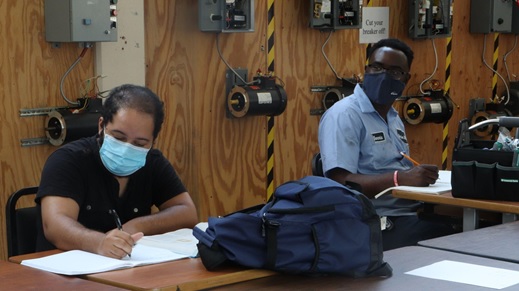
This industry works 80 percent on hands-on training, they solve such queries which are related to big materialistic things like cars, houses, health care equipment, pipe and metal tools. Employers consistently report that practical experience matters. These professions demand experience with tools and equipment because you will handle them daily. Although classroom instruction provides valuable knowledge, companies often prefer candidates who already understand workplace expectations. Students enrolled in skilled trades training spend time learning with professional tools, equipment, and industry-standard procedures.
This hands-on experience helps graduates and students transition more smoothly into full-time employment with industry. Along with new foundational technical skills.
Generation Z, the smarter and stronger generation, is changing the conversation around education and careers. Instead going to traditional college path, many young adults are choosing careers that offer practical experience, financial independence, and long-term stability, with no longer a requirement to attend college or lectures.
Gen Z wants to see quick results. They prefer learning by doing rather than spending years in lecture halls. As a result, trade school enrollment continues to grow among recent high school graduates.
Social media has also played a role. In influencing, or you can say motivating, the youth to opt for these as career options. Videos featuring welders, electricians, HVAC technicians, and automotive professionals showcase rewarding careers that many students had never considered before. These stories demonstrate that success comes in many forms, not just through a four-year college degree.
One of the biggest reasons students choose skilled trades training is the opportunity to begin earning sooner. However, Many trade school programs take between six months and two years to complete. After graduation, students can pursue apprenticeships or entry-level positions while continuing to build their skills.
Unlike many college graduates, trade school students often enter the workforce with little or no student loan debt. Which is liked by most Gen Z. This allows them to focus on building their careers, saving money, and planning for the future instead of making large monthly loan payments.
As they gain experience, many skilled professionals increase their earning potential by obtaining certifications. Specializing in a trade, or moving into leadership positions such as crew leader, foreman, superintendent, or project manager.
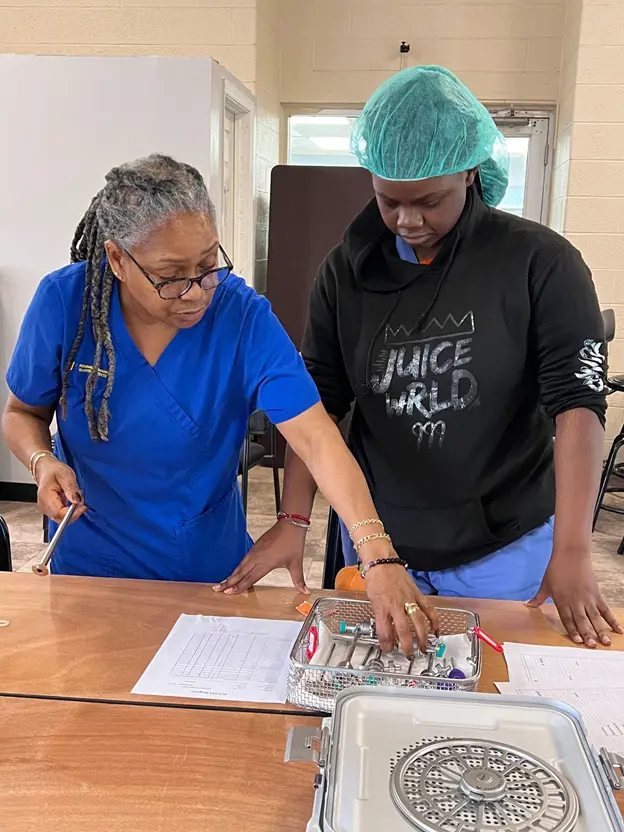
PTTI approach is very much appreciable and conventional. Choosing the right school can make a significant difference in your career journey. At PTTI, students receive more than technical instruction; they gain the practical experience and confidence needed to succeed in today’s workforce. They are also well guided by the best mentors in the industry who are pro in handling the tools.
Students at PTTI spend time working with industry-standard tools and equipment in environments that reflect real job sites. If any equipment is introduced, it will first show up in the PTTI work Lab. This practical approach helps them develop skills they can immediately apply after graduation.
Whether students enroll in welding, electrical technology, HVAC, plumbing, automotive technology, construction, or sterile processing, they learn by doing instead of simply reading about the trade.
Experienced Instructors
PTTI instructors and mentors bring years of industry experience into the classroom. They teach technical skills while also sharing workplace expectations, safety practices, and real-world insights that prepare students for employment. They also teach soft skills, which play an important role in helping a new employee become a person trusted by management.
Career-Focused Education
PTTI students will always receive a meaningful, career-focused education, especially in skilled trade programs that prepare them for meaningful careers. By combining classroom instruction with practical training, PTTI helps students develop both technical expertise and professional confidence.
There are so many options out there. Therefore, selecting the right school requires careful research.
Look for Hands-On Training
The best trade school programs emphasize practical experience. Ask how much time students spend working with tools, equipment, and real-world projects.
Explore more skilled trade Program Options.
You must select a trade school that offers programs aligned with your career goals. Debt-free education with long-term financial stability. Whether you’re interested in construction, healthcare, automotive technology, or electrical work, make sure the curriculum reflects current industry needs.
Ask About Career Support and placement.
Strong schools help students prepare for employment through career guidance, resume assistance, interview preparation, and employer connections.
Research Industry Reputation and Recognition
If you want to enroll and learn more about it. Read student testimonials, Alumni placement percentage, attend orientation sessions, meet industry experts, and review graduation outcomes and employer feedback. Schools with strong community partnerships often provide valuable networking opportunities that can help graduates with valuable opportunities.
The trade school enrollment is expected to continue rising throughout the decade.
Several trends support this growth:
Employers across the country continue searching for qualified workers with certification needed for career growth. As technology evolves, skilled professionals who combine technical knowledge with adaptability and strong work habits will remain in high demand.
For students, this creates an exciting opportunity to enter industries that value practical skills and offer clear pathways for advancement.

Trade school may be the right choice if you:
If these goals sound familiar, vocational education could help you build a rewarding future.
The growth in trade school enrollment reflects a major shift in how students think about education and career success. Opting for a debt-free career. More and more GEN Z are recognizing that practical skills, hands-on experience, and industry-focused training can open doors to rewarding careers without following a traditional four-year college path.
As the industries continue to expand and skilled workers are in demand, the demand for qualified professionals will only increase. Programs focused on skilled trades training give students the opportunity to gain real-world experience, develop in-demand skills, and prepare for long-term career growth.
If you’re considering career training in Philadelphia, now is an excellent time to explore your options. The right education can help you gain confidence, enter the workforce faster, and build a career that grows with you.
Extra feature image
Read More: