
Many adults and career changers worry that trade training is out of reach due to its high cost. However, trade schools with financial aid do exist—and some offer genuine hope. Philadelphia Technician Training Institute (PTTI) is one such affordable trade school. This guide explains how PTTI utilizes aid, outlines the costs of its programs, and details the duration of these initiatives, as well as the reasons why, in 2025, this approach can be beneficial.
Cost stops many people cold. No one wants to borrow more than they must. That’s where financial aid changes lives. When financial assistance is available, the decision to enroll shifts from “Can I afford it?” to “How soon can I start?” Students who might have delayed training decide to act instead.
In PTTI’s approach, the financial aid office meets each prospective student. They walk through federal grants, institutional scholarships, and payment plans. The goal is to minimize the upfront cost burden as much as possible.
Thus, in a school marketing itself among trade schools with financial aid, those one-on-one counseling steps make a big difference in access.
At Philadelphia Technician Training Institute (PTTI), we know money shouldn’t stop anyone from learning a trade. School can feel expensive and confusing. That’s why we guide every student step by step. From the first call to the first day of class, we’re here to help. We want trade schools with financial aid to be honest and straightforward, not intimidating.
Every student meets one-on-one with someone from our Financial Aid Department. They explain eligibility, available programs, and payment options. They also walk students through the FAFSA and help them understand grants and loans. Students learn about Federal Pell Grants, Direct Subsidized and Unsubsidized Stafford Loans, Parent PLUS Loans, and state programs, such as the Pennsylvania State Grant.
Not every student qualifies for full aid. That’s why we offer budget-friendly payment plans. Students can pay tuition in smaller amounts over time. This makes starting school possible without overwhelming stress.
At PTTI, trust and transparency are just as important as learning and development. Counselors take the time to answer questions and explain everything clearly and thoroughly. When students feel supported financially, they can focus on learning, practicing, and gaining confidence in their skills. That’s what accessibility really means here — giving every student a fair shot to succeed in a trade.
Many vocational programs last a shorter timeframe than college degrees. That speed, plus aid, makes vocational paths more affordable in practice.
PTTI runs several core programs that are about 26 weeks in length (roughly six months). For example, its Automotive Training & Repair program lasts just 26 weeks. Its Welding Technology & Training program also targets a duration of 26 weeks.
The shorter time means fewer tuition dollars overall, fewer months without income, and less time away from family or work. For people comparing “four years of college vs half-year trade training,” the trade route often wins in total cost/benefit.
Many people prefer short-term trade schools because they don’t want to wait years. PTTI fits that model.
Because major programs are six months (26 weeks), students get into hands-on work quickly. In Welding, for example, they begin using welding machines early rather than waiting weeks for general courses.
Other trades, such as concreting, masonry, and framing, also operate on the same 26-week structure. Meanwhile, the longer central processing path (31 weeks) is for health-related training.
Because the training is short, many students can balance family, part-time work, or transitions more easily. The risk of dropping out due to life pressure shrinks.
When people search for trade classes near me, they usually want something close, practical, and responsive. At PTTI, the campus environment and curriculum reflect that demand.
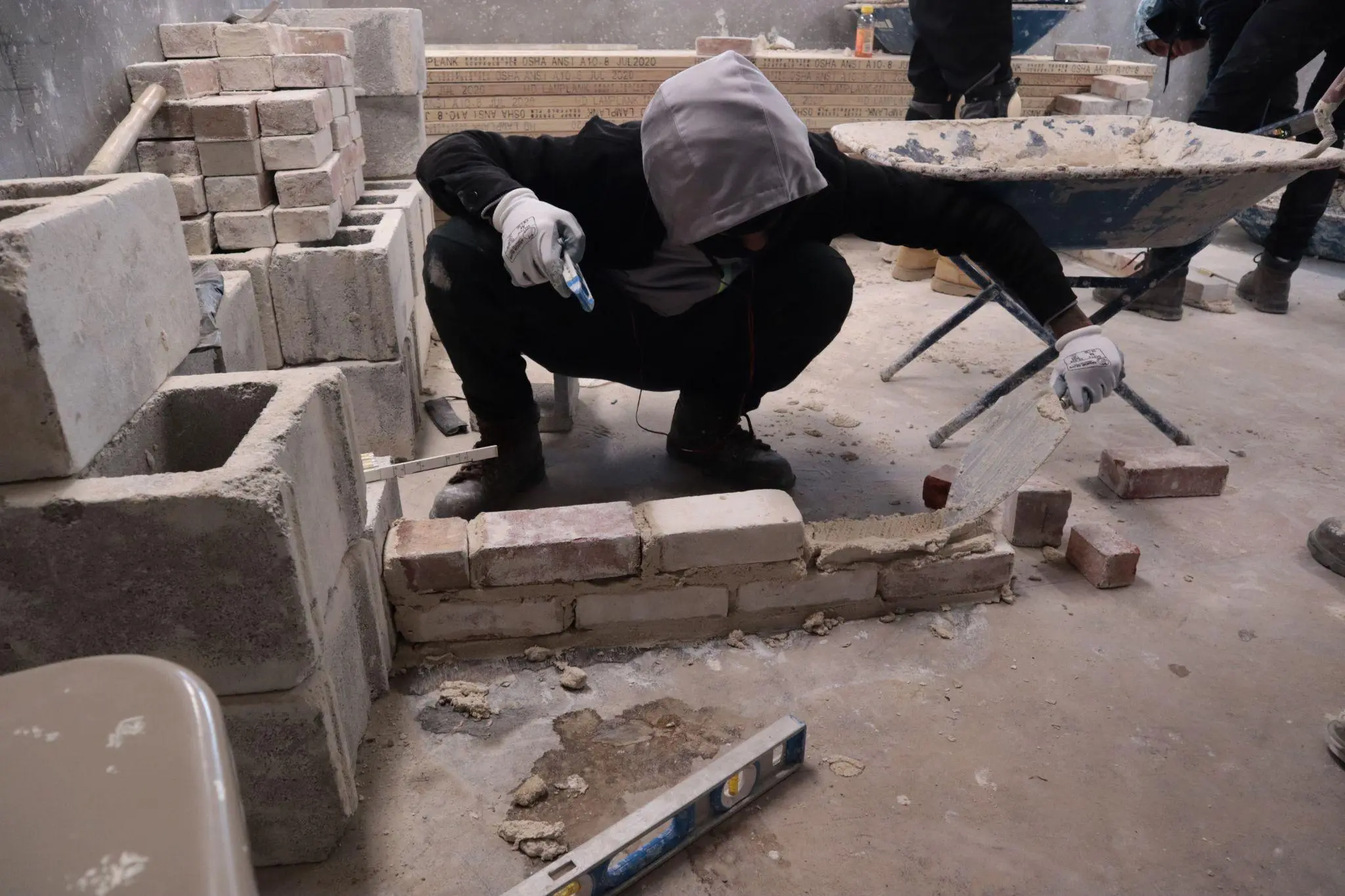
PTTI’s workshops mimic real job settings, such as metal shops, automotive bays, and labs. Students don’t just read about tools—they use them. Local employers often see graduates and trust that they’re not fresh from theory but seasoned in practice.
For adults balancing life demands, proximity and realism matter. Long commutes or detachment from real work make it harder to sustain training. Trade classes near me reduce that friction.
Hence, PTTI aims to be among the most affordable trade schools that locals can access without relocating, while still offering high-value programs.
To understand what PTTI offers, here are real program costs, times, and comparisons:

These figures enable prospective students to compare what “affordable” really means. They can estimate how much aid will reduce those numbers, and how quickly they’ll complete training.
Including actual numbers and direct program links makes the case more concrete—not just theory or marketing claims.
When someone asks, “Which are the best trade schools in Philadelphia (or elsewhere)?” they typically mean schools that combine affordability, hands-on skills, and strong job support. PTTI aims for that.
Key features of PTTI that align with top trade schools:
When students compare local or out-of-state options, PTTI often appears among credible, transparent institutions—not as a distant luxury trade school, but as a practical, grounded one.
Training means little without employability. PTTI tries to bridge that gap confidently.
For its Sterile Processing / Central Services program, PTTI claims a job placement rate of 92% among those who complete. That’s a strong metric to include when marketing trade schools with financial aid.
Additionally, in programs like Welding, PTTI notes that graduates often enter the workforce quickly, utilizing the fundamental skills they practiced in lab settings.
By highlighting those placement outcomes, prospective students can see that paying (or partially paying) for training often returns immediate value.
Choosing a trade school with aid is not about signing unthinkingly. Here are things anyone should check while looking for the best trade schools in Philadelphia:
In PTTI’s case, many answers are favorable: cost is published, aid is offered, courses are short, labs are integral, and placement rates are given. That combination works well when marketing a school.
The demand for skilled trades remains high, particularly for health tech, manufacturing, construction, and automotive services. Many sectors still struggle to find trained workers.
In 2025, wages for many technical trades are rising because of scarcity. Moreover, with rising overall education costs, the relative value of shorter, well-aligned training increases.
Because PTTI already has established aid infrastructure and relatively fast programs, starting in 2025 may put someone ahead, allowing them to finish training, enter the workforce, and grow while many peers are still pursuing long degrees.
When viewed from a distance, trade training can feel risky or opaque. However, when combined with trade schools offering financial aid, it becomes more accessible and strategic. PTTI exemplifies how to balance cost, duration, quality, and employment outcomes.
By showing actual program costs, durations, and placement stats, the school strengthens trust. Prospective students can compare, plan, and act with confidence.
If someone is comparing short-term trade schools, affordable trade schools, or options in their city, PTTI’s open disclosure of numbers and emphasis on aid make it a model.
Trade training in 2025 doesn’t have to be a leap of faith. With clear metrics—tuition, timeframe, placement—students can step intentionally. That’s what real vocational training with aid should feel like.
Read More :