
From Service to Success:
Remember your time spent serving in the military. Discipline, planning, and technical skills are all very useful in the civilian world, but people often don’t understand them. Have you ever thought about how to turn that unique experience into a solid, high-demand job? The veterans’ skilled trades are the answer for this.
The thing is, cities like Philadelphia are in need of heavy labour to invest in infrastructure, but there aren’t enough skilled workers to do the job. However, this makes a great chance for both sides to win. The trade programs for veterans are meticulously designed to assist veterans. Moreover, the skilled trade training programs aid in securing rewarding employment upon leaving the military as well as address the critical labor shortage in the region.
Moving into the veteran’s skilled trades isn’t just a new career; it’s a direct application of your abilities to a growing portion of the economy.
Shall we venture further?
An analysis pointed out that the U.S. veteran labor force created a significant, untapped talent pool, particularly valuable for trades and technical roles due to veterans’ skills and leadership capabilities.
But the different ways of working are one of the main problems people have when they go from military to civilian work. Check these things:
You need to intentionally change the way you talk about your military experience so that civilian hiring managers can grasp it.
For example:
This new way of looking at things brings forth essential skills for employers to catch. Also, these skills may be used in many different jobs, such as discipline, problem-solving under stress, leadership, and always following safety rules in critical situations.
By this, you show that you can directly help veterans’ skilled career paths by mastering the required skills translation.
A quick self-check: Choose one of your biggest military victories. Describe it in three sentences without using any military acronyms. If not, that’s a first assignment!
Dont worry, you don’t have to go through the military transition to trades alone. There is a helpful whole ecosystem to help you.
What you can take advantage of…
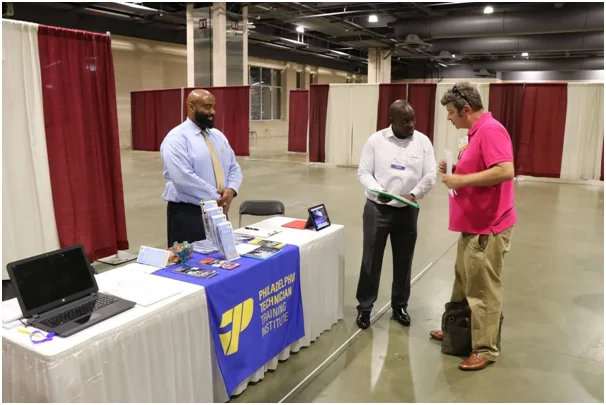
Here, you can get help from specialized groups that focus on your needs. These associations, such as PTTI, hold career fairs where you can meet directly with trade businesses that want to hire dedicated military personnel right away. And they even have mentorship programs that provide you with important insider advice.
Moreover, government agencies and organizations that help veterans also work together to provide and pay for training that is unique to certain industries. They help people connect through workshops and make sure that technical training with modern tools is available. Lastly, this assistance proves to be very important for veterans to find steady careers once they leave the service.
Bonus step: What steps have you taken this month to get in touch with the veteran service group that is located in your area? Here, immediately enrolling in a mentorship program will allow you to meet and receive assistance from a person who has previous experience working in your sector.

Now comes the time for real hard work and action. Although your prior experience and discipline are commendable, several skilled professions require you to have specialized licenses.
In addition, the formal training and certifications that you have obtained demonstrate that you possess the skills required for the civilian sector.
In order to operate as an electrician, a technician, or a welder, you are required to first obtain the relevant credentials at the beginning of your career. Here, veteran-skilled job training programs with available certification that are committed to veterans are of utmost importance. Additionally, the GI Bill and other VA benefits sometimes pay for them.
This way, you make sure that your experience is backed up by industry-standard procedures and technical expertise. Now, you are a very strong candidate for high-paying veteran-skilled career pathways, as you have both a military work ethic and professional certification.
Nonetheless, this investment in a veteran skilled trade program is very important for your own success, as well as helps companies fill the skills gap by letting them access certified specialists in the skilled trades.
The underrated side is that employers need to meet veterans halfway by changing how they hire. In this order, the veterans’ skilled trades transition can take place with full potential.
Leading firms can adapt to modern needs by changing how they hire. By recognizing and rewarding the natural leadership and problem-solving talents that veterans have, they can gain so much more. Employers can even deploy personalized training for this to make sure the transition for veterans goes smoothly.
Furthermore, veteran-skilled apprenticeship programs are often the best way to go. These structured “earn-and-learn” arrangements are similar to how the military works, letting you train on the job and sometimes use VA benefits to make extra money. This has proven to be a clear way to become a lifelong professional and build a solid career in civilian life.
For employers: Are your HR tools marking “logistics” as a soft skill? It’s time to change your job descriptions and explore how deeply various veteran experiences can help.
The fact that there are so many talented veterans and so much need for trade employment is a unique business opportunity. The route forward is clear: Translate your abilities, take training, and get your experience certified through veteran-skilled apprenticeship programs and dedicated veteran-skilled job training.
Crucially, the future of the veterans’ skilled trades is bright, with stability and growth. The civilian workforce needs people like you who are disciplined and dedicated. What are you going to do next?
Don’t wait for the right time. Look for a trade program in your area that helps veterans. This will be the first step toward your new veteran-skilled career paths.
Read more: