
Choosing a career before graduation feels like a lot of pressure,e and you really want to get enrolled, especially when every path comes with different costs, timelines, and expectations. If you’re a high school student in Philadelphia, here’s something worth knowing: you don’t have to have it all figured out right now. You need to start asking better questions.
Philadelphia continues to invest in workforce and technological development, connecting youth with training programs, quality jobs, and employer-aligned career pathways. For students comparing options after high school, PTTI’s skilled trades programs in Philadelphia offer a practical way to turn curiosity into a clear direction.
The earlier you explore, the more confident you will feel about your decision. High school students who explore skilled trades early gain a real advantage: they can compare career paths, understand the different training timelines, and get a feel for hands-on technical work before graduation day.
Trade exploration also helps you understand your own strengths. Automotive repair, welding, sterile processing, pipe fitting, HVAC,manufacturing automation, and construction all demand different skill sets. A student who loves working on cars will have a completely different experience from one who’s drawn to healthcare settings or building systems.
PTTI’s hands-on programs are especially useful for high schoolers and graduates who want to explore technician training without committing to a long-term program right away. You can visit labs, speak with instructors, attend career days, and compare program lengths all before making a final decision.
Trade school teaches you far more than how to use tools. Strong programs build safety habits, measurement skills, teamwork, communication, problem-solving, and professional conduct. These are the qualities employers watch closely during interviews, and first jobs.
Students should expect a mix of instructor-led demonstrations, supervised lab practice, troubleshooting exercises, and performance-based assessments. The whole point isn’t just to pass a class — it’s to build real technical confidence in a setting that looks and feels like the workplace you’ll actually be stepping into.
Each of these trades offers a different work environment, training focus, and long-term career path. Comparing them early puts you in a much stronger position when it’s time to choose.
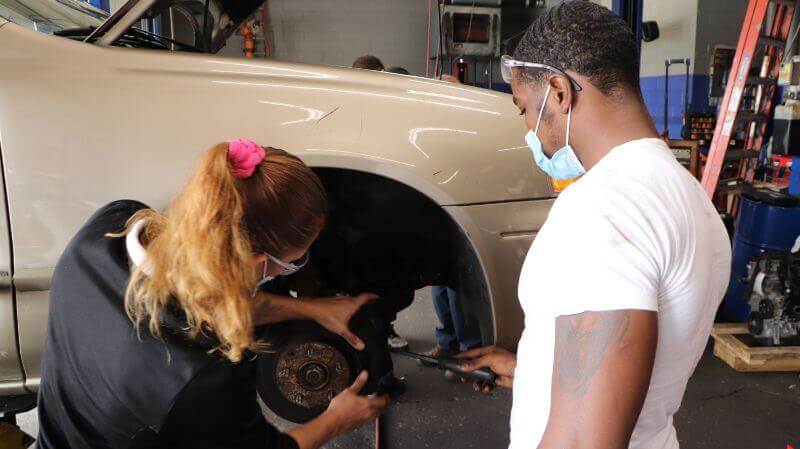
If you love cars, technology, and figuring out why things aren’t working the way they should, automotive repair is worth a serious look. Today’s vehicles rely on sensors, electrical systems, onboard computers, and software-supported diagnostics — so this isn’t just wrenches and oil changes anymore.
Students in this path learn braking systems, steering and suspension, engine performance, electrical testing, shop safety, and service documentation. The U.S. Bureau of Labor Statistics projects that automotive service technician employment will grow by 4 percent from 2024 to 2034, with roughly 70,000 openings nationwide annually. PTTI’s automotive training program is a strong starting point for anyone searching for automotive technician training in Philadelphia.
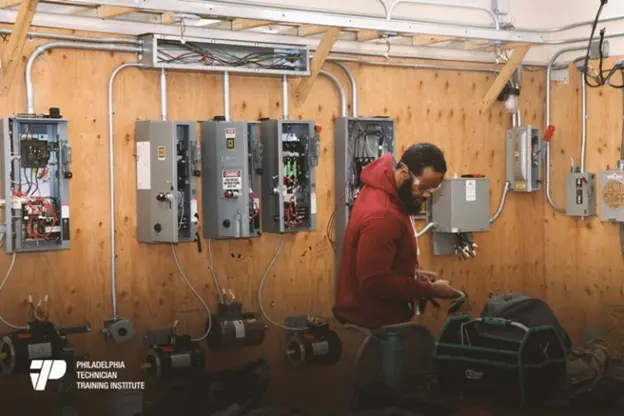
Modern manufacturing isn’t what most people picture. Today’s production environments run on motors, sensors, robotics, programmable logic controllers, automated processes, and electrical control systems. If you like technology and systems thinking, this path might surprise you.
Students explore electrical fundamentals, industrial safety, automation components, troubleshooting, and control systems. The BLS projects industrial machinery mechanics and millwrights to grow 13 percent from 2024 to 2034 — much faster than average. In the Philadelphia region, this training connects directly with manufacturing plants, logistics operations, and maintenance departments actively seeking trained workers.
Welding appeals to students who like precision, visible results, and working with metal. Welders build and repair structures across fabrication shops, construction projects, shipyards, manufacturing, and infrastructure maintenance.
Training covers SMAW, GMAW, FCAW, and GTAW processes, as well as welding symbols, blueprint basics, safety procedures, and joint preparation. The BLS projects roughly 45,600 annual openings for welders from 2024 to 2034. If you’ve been searching for welding school in Philadelphia or wondering how to become a welder after high school, PTTI’s welding technology program is designed exactly for that starting point.
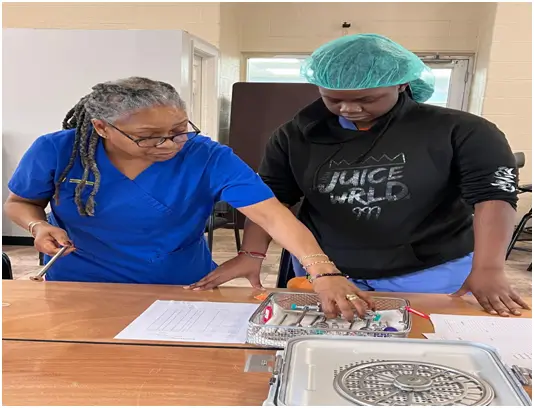
Not everyone who wants to work in healthcare wants to work directly with patients—and that’s completely fine. Sterile processing technicians clean, decontaminate, inspect, sterilize, and distribute surgical instruments and medical equipment. The work demands focus, infection-control knowledge, strict procedural awareness, and strong documentation habits.
Students learn medical terminology, instrument identification, sterilization methods, decontamination workflows, and quality assurance processes. HSPA’s CRCST credential is the key certification in this field, and requires passing an exam and completing 400 hours of hands-on experience. PTTI’s sterile processing program supports students looking for central service technician training in Philadelphia.
If mechanical systems, layout work, and large-scale construction environments interest you, pipe fitting deserves a closer look. Pipe fitters work on commercial buildings, hospitals, schools, high-rise construction, water systems, and fire protection systems — and the work is both physically engaging and technically demanding.
Training covers pipe measurement, cutting, threading, joining methods, valves, fittings, safety procedures, and blueprint reading. The BLS projects employment for plumbers, pipefitters, and steamfitters to grow 4 percent from 2024 to 2034, with about 44,000 openings annually nationwide. PTTI’s pipe-fitting program is a solid match for students seeking pipe-fitting training in Philadelphia or mechanical systems training.
HVAC — heating, ventilation, air conditioning, and refrigeration — is one of the fastest-growing skilled trades right now. Technicians work in homes, schools, hospitals, commercial buildings, and facilities maintenance departments, handling everything from troubleshooting electrical controls to managing refrigerant systems.
The BLS projects HVACR mechanic and installer employment to grow 8 percent from 2024 to 2034, well above average. EPA Section 608 certification is required for technicians who handle refrigerants, so students should specifically ask programs what preparation they provide for certification. PTTI’s admissions team can walk you through the current HVAC-related training options available.
Construction is a broad category that includes concrete, masonry, framing, drywall, finishing, and preparation for commercial construction. It’s a strong fit for students who like physical work, outdoor environments, measuring and layout, and building things that are visibly real when the day is done.
Students in construction training learn tool safety, measuring, leveling, layout, material handling, site communication, PPE use, teamwork, and quality checks. The BLS projects that construction laborers and helpers will grow by 7 percent from 2024 to 2034, with about 149,400 openings annually nationwide. In Philadelphia, construction training also connects to union apprenticeships and public infrastructure projects. PTTI offers both construction technician training and drywall framing and finishing programs, so students can compare related building trades before committing to a specific direction.
The best trade program isn’t automatically the one with the highest projected salary — it’s the one that actually fits who you are. Before choosing, think honestly about the work environments you enjoy, the physical demands you’re comfortable with, how you learn best, and the long-term career path that makes sense for your goals.
Here’s a quick comparison to help you start narrowing things down:
A smart next step is to tour training spaces, ask about tools and safety expectations, compare program schedules, and find out what career support is available after graduation. Students who are ready to compare their options can start the admissions conversation at PTTI.
Here’s something that often surprises new students: employers don’t expect beginners to know everything on day one. What they do expect is reliability, safe work habits, the ability to communicate clearly, a willingness to take correction, basic math skills, respect for tools, and consistent attendance. In the trades, your reputation starts building the moment you walk onto your first job site.
Philadelphia’s workforce development initiatives continue to emphasize the importance of employer-aligned training — which means the technical skills you learn should reflect what shops, hospitals, plants, construction sites, and facilities departments actually need right now.
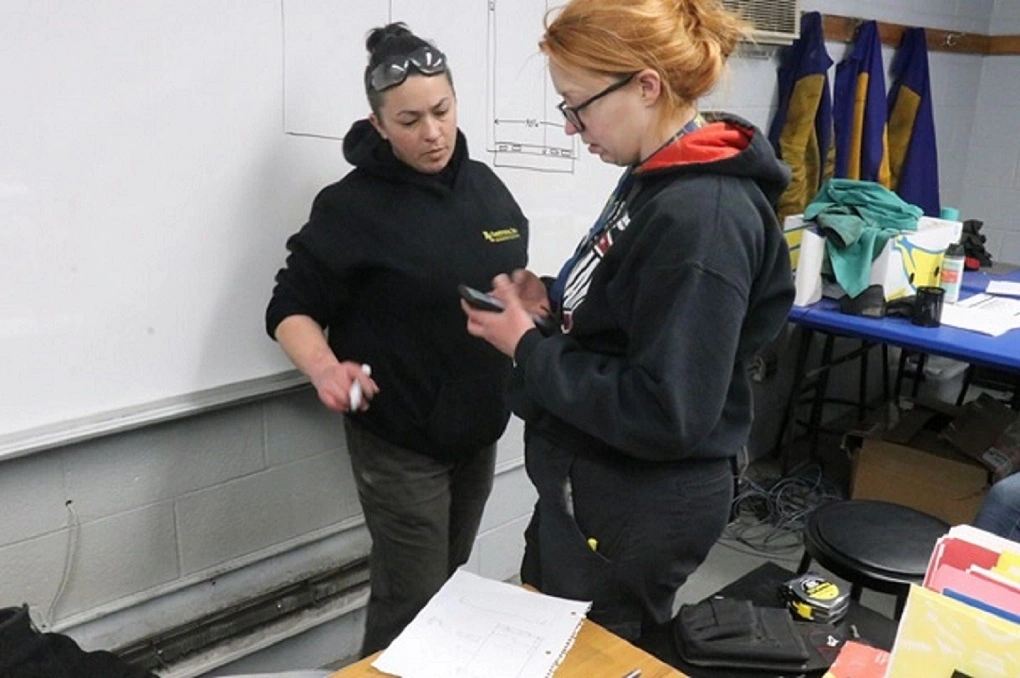
Be careful with salary promises. Pay varies widely depending on trade, employer, certifications, schedule, physical demands, location, and overtime. Entry-level workers typically start in foundational roles and grow through documented experience, apprenticeship progress, advanced certifications, and consistent job performance.
Before enrolling anywhere, ask practical questions: What tools will I train with? PTTI’s financial aid resources can help you and your family ask better cost and funding questions before making a commitment.
The trades are becoming more technical every year — and that’s actually good news for students entering now. Automotive repair is moving deeper into diagnostics, electronics, and hybrid systems. Manufacturing relies increasingly on automation, sensors, and predictive maintenance. HVAC is shaped by energy efficiency standards, smart building controls, and refrigerant regulation changes. Even construction is incorporating more digital tools and safety documentation requirements.
Students who stay curious and keep learning after their initial training will consistently have stronger career options than those who stop at certification.
PTTI focuses on applied learning, industry-relevant skills, certification preparation, and career readiness, providing financial support that matters a lot for high school graduates seeking a direct path forward after graduation. However, the programs are also well-suited for adults, veterans, and career changers who learn best by doing rather than sitting through lectures.
Therefore, the Students train in actual labs and workshops, which means they build confidence with tools, equipment, procedures, and safety habits in settings that resemble real workplaces. That kind of preparation makes a difference when you show up for your first interview, apprenticeship placement, or job-site orientation.
Beyond technical skills, PTTI also helps students prepare for resumes, interviews, professional expectations, and the overall transition from training to employment. If you and your family want a clearer sense of what’s involved, you can request program information from PTTI and speak directly with an admissions advisor about which pathway best matches your interests and goals.
Finally ,Philadelphia high school students have more career choices than they may realize — and the trades are genuinely worth exploring. Automotive repair, manufacturing automation, welding, sterile processing, pipe fitting, HVAC, and construction each offer a different way to build practical skills and enter the workforce with real confidence and purpose.
Trade school isn’t a shortcut. It’s a structured, focused way to build technical ability, safety awareness, certification readiness, and workplace confidence. For students who want training that feels directly connected to real work, PTTI offers a practical, supportive place to begin.
Students and families who are ready to take the next step can speak with an admissions advisor at PTTI and start comparing the programs that fit their goals.
Automotive repair, welding, HVAC, manufacturing automation, sterile processing, pipe fitting, and construction trades are all strong options. The best fit depends on your interests, work environment preferences, and how you learn best.
It can be a very good option, especially for students who prefer hands-on training, shorter preparation timelines, and practical technical skills. Compare program costs, schedules, credentials, and career support before you enroll anywhere.
Most beginner-focused programs are designed for students with little or no prior experience. Strong work ethic, consistent attendance, safety awareness, and a genuine willingness to practice matter far more than background knowledge at the start.
Ask specifically about OSHA safety training, ASE pathways for automotive, EPA Section 608 for HVAC refrigerant work, and CRCST preparation for sterile processing. Certification requirements vary by trade and employer, so ask directly rather than assuming.
Yes. Trade school helps you build foundational skills that support apprenticeship readiness. Acceptance into apprenticeship programs isn’t guaranteed, but hands-on training, safety habits, and professional conduct all strengthen your candidacy.
READ MORE :