
Choosing a career can challenge people these days. Many options challenge us, but not all help people live the lives they desire. Many students follow the traditional path to college, spend years studying, and still feel unsure about their direction. They invest time, money, and effort, but clear results often elude them.
That’s where trade programs offer a new option. They focus on real skills, real work, and real results. You don’t have to wait years to start your career; you can build your future right away. If you want a path that makes sense and delivers, trade programs reward you with smart choices.
The job market has evolved. Some sectors attract numerous applicants, increasing competition, while others face a shortage of skilled workers. This disparity opens up new opportunities.
Vocational training programs let you meet this demand. Instead of competing in crowded fields, you can move into industries that value your skills. This gives you a much stronger starting point. You can learn more about workforce trends and employment data from the Bureau of Labor Statistics, which highlights the ongoing demand for skilled workers.
One of the major differences with trade programs is how you learn. You aren’t just sitting in a classroom listening to lectures all day. You’re actively involved in the process. You learn by doing. You work with tools, solve real problems, and understand how things function in real situations.
Most vocational training programs take significantly less time to complete. Some can be finished in less than a year, while others take longer, depending on the skill. Either way, you can enter the workforce much sooner.
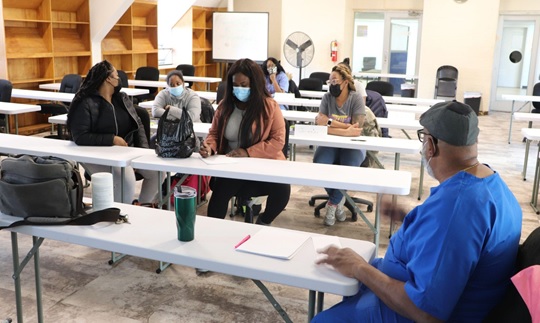
Many people believe that only office jobs or degree-based careers pay well. That is no longer true. Today, many high-paying skilled trades offer steady, reliable income.
Jobs like electricians, plumbers, welders, and technicians are not just stable; they can also be very financially rewarding. As you gain experience, your earning potential increases. You also get the chance to take on more responsibility or specialize in certain areas.
Many people start their own businesses after gaining enough experience. This gives them more control over their work and income. Trade programs open the door to long-term financial growth without the burden of heavy student debt.
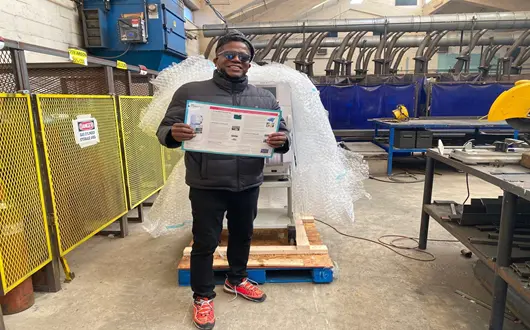
When choosing a career, salary is important, but trades programs also offer benefits that enhance your career and lifestyle.
Job security is another key benefit. Employers always need skilled workers. Homes need repairs, systems need maintenance, and new projects launch all the time. This keeps demand strong. You also gain flexibility. You can work for a company, move into different roles, or build your own business. This freedom rarely comes with other career paths.
A good career is not just about getting a job. It is about growing over time. Careers in skilled trades offer clear opportunities to move forward.
With basic training, you keep improving your skills. As you gain experience, you take on more responsibility, lead teams, or manage projects. Some people eventually build their own businesses. Your progress depends on your effort and willingness to learn. You control your growth. Vocational training programs give you a foundation, and you build on it as you advance.
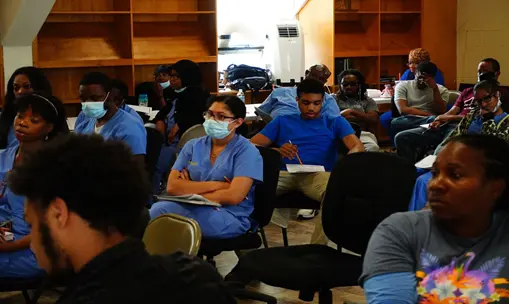
Compare trade programs to traditional degrees, and you can easily see the differences. Trade programs are not for everyone, but they are a great fit for many people. If you enjoy working with your hands, solving problems, and seeing results, this path might suit you.
If you do not enjoy long lectures or theoretical learning, you may find hands-on training more engaging. People who want to start working sooner and avoid large student loans also benefit from this path.
Careers in skilled trades are open to anyone willing to learn and put in the effort. It is less about where you come from and more about what you are willing to do.
People often do not understand trade programs. Some people think that jobs in trade programs do not pay much money. However, this is not true. There are trade programs that pay well and require specialized skills.
Some people also think that trade programs do not offer a chance to move up and get jobs. That is not true. You can get better and better at your job. Even learn new things. Some people think that only certain people can do trade jobs. That is not true. Anyone can do a trade job if they have the right mindset and the right training.
There are always buildings being built and things that need fixing. That means we always need people who know how to do trade jobs. Technology is also changing how people do their jobs. People who do trade jobs use tools and systems to get their work done faster. If you choose to do a trade program, you will be doing something that will always be needed and will always be changing. Trade programs will continue to grow and adapt. Trade programs are a choice because trade jobs will always be around, and they will always be changing.
Working smarter is about making better choices, not just working harder. It means choosing a path that gives you results without unnecessary delays.
Trades programs support this idea by helping you build skills quickly and enter the workforce sooner.
You can move forward with confidence when you take this approach. It helps you build a stable and rewarding future. At the end of the day, trade programs give people what they are looking for: they give you an idea of what you want to do with your career, they are stable, they teach you real skills, and they give you the chance to earn a good income. You learn things that you can actually use.
Careers in skilled trades continue to offer strong demand, good pay, and long-term potential. You are not just working a job, you are building a future based on skills that matter.
If you’re ready to build a stable and rewarding future, take a closer look at trades programs today. Consider starting your journey toward a hands-on career that brings both satisfaction and security. Make the smart move: explore your trade program options and start shaping the life you want now.
Trade programs give people what they want: information, stability, and real chances to succeed. They let you learn skills, earn good money, and get better over time without going into debt.
Jobs in trades are in high demand, pay well, and offer good long-term prospects. You’re not just doing a job; you’re building a future with trade skills that matter. Trade skills are in demand. Choosing a job is a decision, but it doesn’t have to be hard. Trade programs are an effective way to move ahead. They are also very satisfying. For people, trade programs are the best way to move forward and build a life they can be proud of. Trade programs help people get good jobs.
Trade programs are a way to get into jobs that involve doing hands-on work. Through trade programs, you learn skills for tasks like building or repairing machines. You do not just sit around reading books all day. The main goal of trade programs is to prepare you for a job in a different field so you can start working without waiting forever.
People who like building or fixing things might prefer this to going to college classes. If you get bored sitting and listening to someone talk and want to start earning money, then trades are something you should consider.
A lot of these jobs pay well once you get going. Electricians or plumbers end up with good salaries, and it builds up as you learn more on the job. Stable work like that stands out, especially if you stick with it.
The training usually lasts less than a full degree. Some wrap up in months, others stretch to a year or two, depending on what trade you’re picking. That shorter time feels like a plus for getting out there faster.
Benefits-wise, trade schools cost less and let you jump into jobs sooner. Hands-on stuff means you pick up skills employers want all the time. Job security comes with that, and room to grow later on. This part gets a bit messy to be shorter, but it seems solid for the long term.
Read more blogs: