
Most people think working in a hospital means spending four years in college first. That’s not true. If you want a stable, well-paying job in a medical facility or clean room environment, you don’t need a degree you need the right training. And Philadelphia has some of the best options in the country.
At the Philadelphia Technician Training Institute (PTTI), students learn real, hands-on skills that hospitals and surgical centers are actively hiring for. Whether you’re fresh out of high school, changing careers, or just tired of jobs with no future, these programs can get you started in a matter of months.
Talk to an admissions advisor at PTTI today →
Let’s break down exactly what’s available, what you’ll learn, and why so many Philadelphia students are choosing this path.
When most people picture hospital jobs, they think of doctors and nurses. But hospitals run because of a much larger team working behind the scenes.
One of the most essential roles is the sterile processing technician (also called a central service technician). These are the people who clean, disinfect, and sterilize surgical instruments before every procedure. Without them, surgeries simply cannot happen safely.
Sterile processing technicians work in:
This is a clean-room environment — meaning the workspace adheres to strict hygiene and contamination-control standards. It’s precise, detail-oriented work, and hospitals across Philadelphia are short-staffed for it right now.
Philadelphia is home to major health systems like Penn Medicine, Temple Health, Jefferson Health, and CHOP. These institutions perform thousands of surgical procedures every month. That means they need a steady supply of trained, certified sterile processing technicians — and the demand is only growing.
Sterile processing technician training programs in Philadelphia take only a few months to complete, salaries are competitive, and hospitals urgently need skilled technicians.
The average salary for a sterile processing technician in Philadelphia is around $50,355 per year, which is about 5% higher than the national average. Top earners in the city can make close to $69,000 annually.So if you’re looking at Philadelphia trade programs for medical facilities, this is one of the strongest entry points available.
PTTI offers an 8-month Central Processing and Sterile Services program that gives students the exact skills hospitals look for. The curriculum is built around real-world scenarios, not just textbook theory.
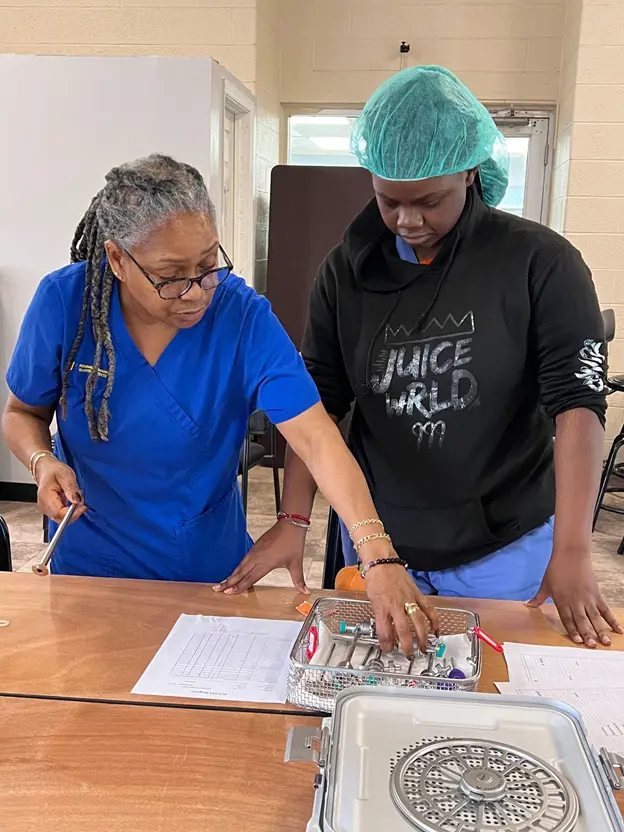
You’ll learn how microorganisms travel, how infections spread, and how to stop them. The program includes skills like infection control, tray assembly, and the use of sterilization equipment — all job-ready skills that form the foundation of a sterile processing career.
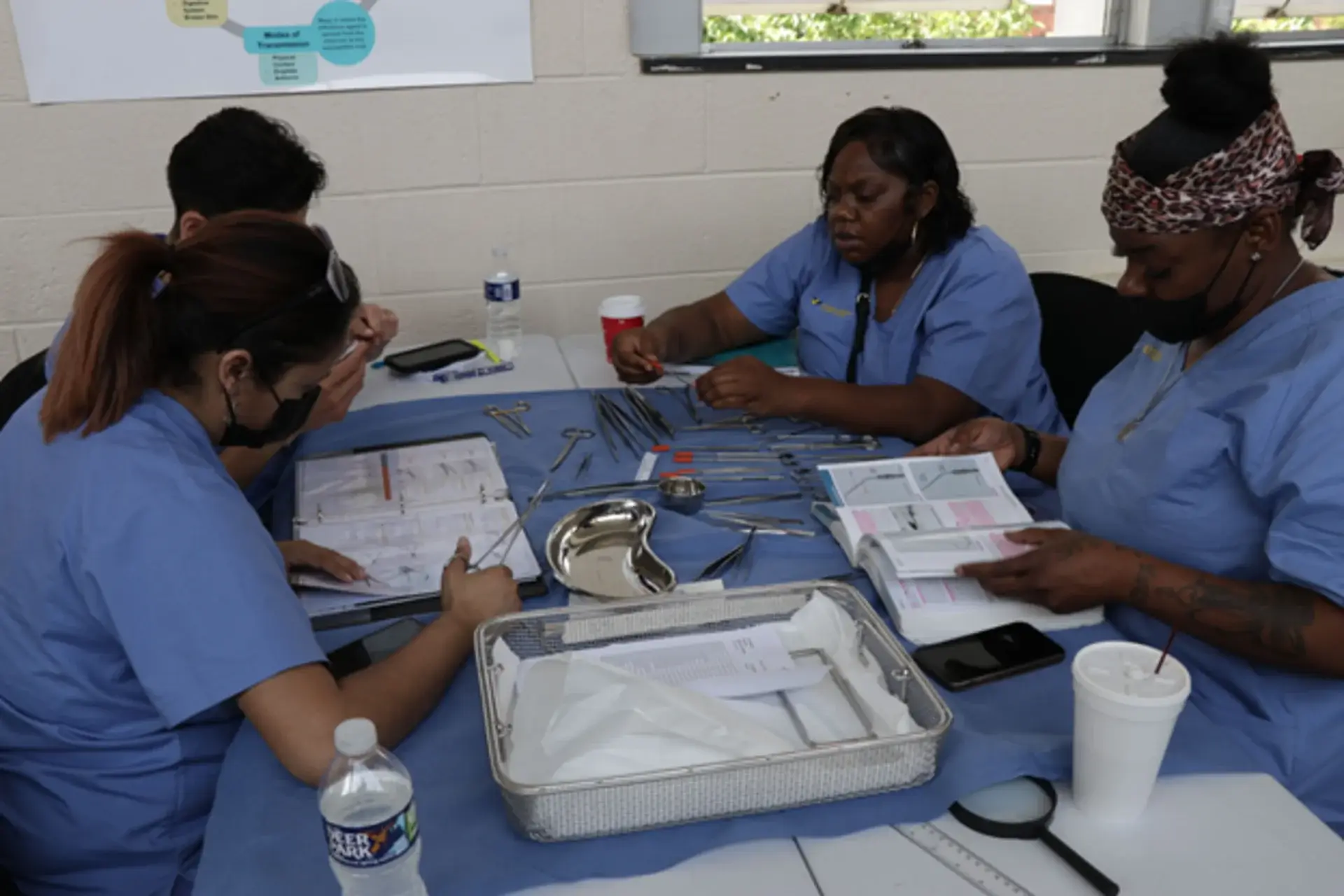
Students train on multiple sterilization methods, including autoclaving and chemical sterilization. All methods are practiced in lab simulations that reflect real sterilization rooms in hospitals, training students to act under pressure while following strict healthcare protocols. PTTI
You’ll learn to sort, package, and inspect surgical instruments correctly. Students also learn to use modern washer-disinfectors and ultrasonic washers — crucial machines used to clean and prepare instruments before sterilization. PTTI
Students learn the basics of distillation, deionization, and reverse osmosis water purification systems, and identify common cleaning chemicals and protocols for their use. These skills are essential for anyone working in a clean room trade program.Human Anatomy and Medical Terminology
Because sterile processing technicians work alongside surgeons and nurses, you need to understand how the body works. Students learn to review the structure, function, and activities of cells, tissues, and organs and identify each major body system’s role — alongside standard surgical procedures.
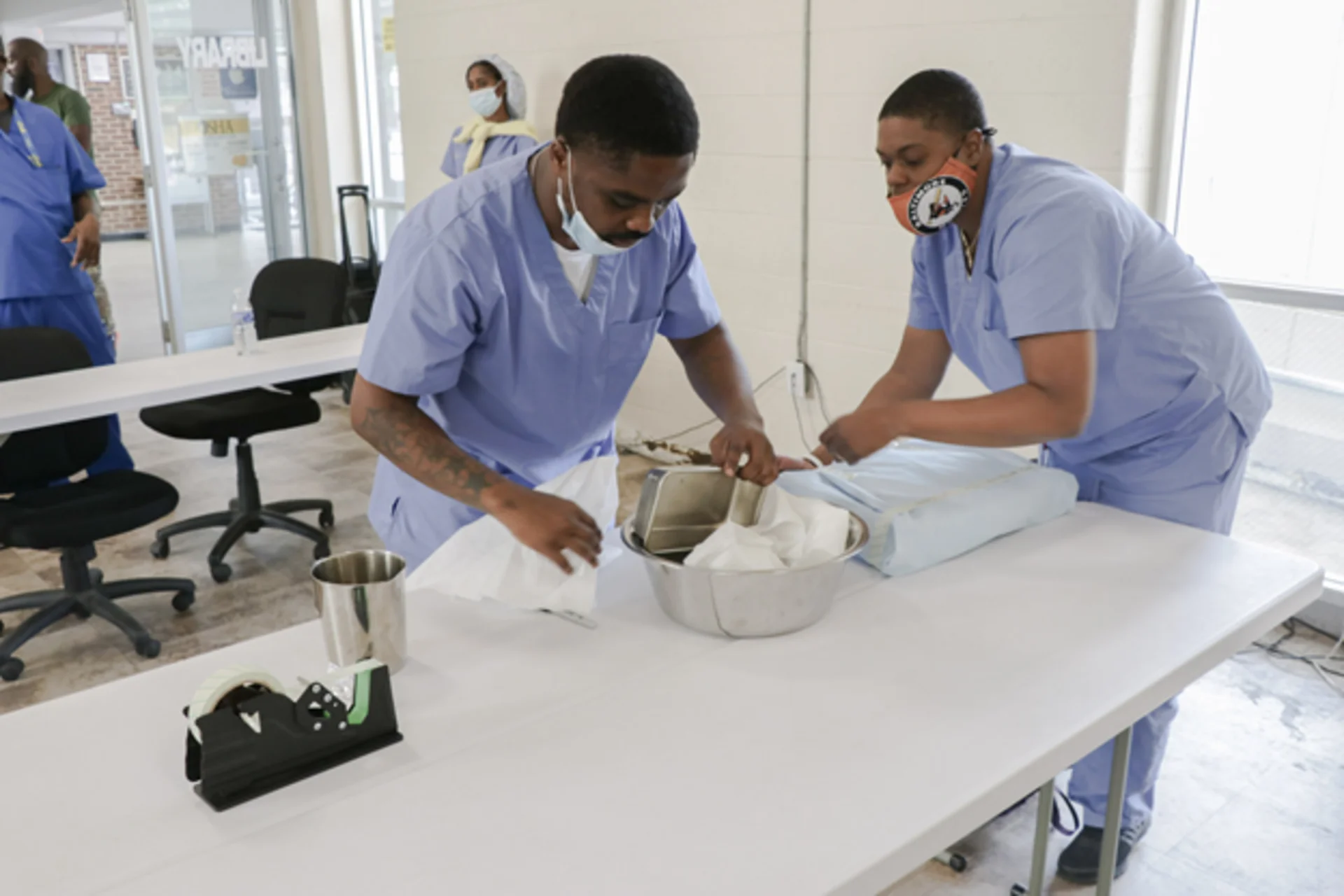
One of the biggest differences at PTTI is how the training is delivered. They offers comprehensive sterile processing technician training with 80% hands-on learning. Students work with real sterilization equipment, actual surgical instruments, and current healthcare technology every day.
In addition,this program connects students with clinical rotations at real Philadelphia healthcare facilities. Through these real-world opportunities, students get a genuine look at what life is like inside a busy surgical services or central sterile department.
This kind of practical exposure builds both confidence and competence — two qualities that hospital hiring managers want to see right away.
After completing PTTI’s healthcare trade school program, graduates are prepared to sit for the CRCST exam — the national certification offered through the International Association of Healthcare Central Service Materiel Management (IAHCSMM).
Passing the CRCST exam, along with completing 400 clinical hours, is required for most sterile processing jobs in Philadelphia and across the country. Dreambound
PTTI helps students prepare with dedicated practice tests and exam prep sessions, so you walk in ready — not guessing.
This certification is what separates candidates in a competitive job market. Hospitals like Penn Medicine and Jefferson Health look for certified central service technicians first.
PTTI doesn’t hand you a certificate and wish you luck. Once students reach approximately 700 hours of training, PTTI’s Career Services department begins professional development classes covering resume writing, career identification, interview coaching, and financial management.
Additionally, PTTI maintains strong partnerships with Philadelphia-area hospitals for clinical placement and job opportunities, and many students receive job offers before they even finish their program due to high local demand. That’s the kind of outcome that makes a short-term investment in sterile processing technician training in Philadelphia worth every dollar.
This program is a strong fit if you:
You don’t need prior healthcare experience. This Skilled trade program builds your skills from the ground up, so students from all backgrounds are welcome.
PTTI’s sterile processing program is significantly more affordable than a two- or four-year degree. Most certification programs through vocational schools take 6 to 8 months to complete, with total training costs ranging from $3,000 to $8,000 depending on location and format.
Financial aid is available for students who qualify. Financing options include grants, federal and private loans, and institutional financing plans. Federal financial aid (FAFSA) also applies to many vocational programs like this one.
Some students even have their training partially covered through hospital tuition reimbursement programs, especially if they’re already working in a healthcare setting.

Philadelphia trade programs for medical facilities aren’t just about getting a job quickly. They’re about building a real career.
The demand for sterile processing workers is strong and growing, and the expected growth for SPD roles is expected to be steady through the end of the decade. As healthcare technology advances and surgical procedures become more common, the need for trained professionals will only increase.
Beyond sterile processing, This vocational program also offers programs in other trade areas that support healthcare and industrial environments giving students options to specialize or cross-train as their career develops.
Starting in a clean room trade program today puts you on a trajectory that leads to supervisory roles, higher pay, and specializations that most people never consider when they first think about healthcare careers.
If you’re serious about working in a hospital, surgical center, or clean room environment in Philadelphia, PTTI’s sterile processing and central services program gives you the fastest, most direct path to get there.
The demand is real. The training is hands-on. The jobs are waiting.
Philadelphia trade programs for medical facilities at PTTI are designed to get you career-ready in months with the certification, the skills, and the support to back it up.
Related reads you might like: