
Have you ever wondered how much a concrete technician can earn in today’s construction industry? Are some states paying significantly more than others? And is concrete still a good career choice in 2026?
The answer is yes.
Concrete technicians remain among the most essential workers in the construction industry. From highways and bridges to commercial buildings and residential developments, skilled professionals who understand concrete placement, finishing, framing, and quality control remain in demand.
For individuals looking for a hands-on career with room for growth, becoming a concrete technician can offer steady employment, competitive wages, and opportunities to advance into leadership positions.
In this guide, we’ll explore Concrete Technician Salary by State in 2026, discuss training options, review the best-paying states, and examine the long-term outlook for this construction career.
Take the next step. Explore PTTI’ss Concret Masonry and framing program,
The construction industry is experiencing continued investment in infrastructure, affordable housing, transportation projects, and commercial developments. This infrastructure starts in mid-summer across states and reaches high demand. Due to a rise in population, new cities’ real estate is expanding, leading to more residential and commercial buildings . Which requires a more experienced concrete technician.
Concrete technicians play a major role in these projects by ensuring structures meet safety standards, durability requirements, and project specifications. This industry sometimes demands to work at night when it comes to road maintenance due less vehicle movement.
Their responsibilities often include:
As infrastructure spending increases, employers continue seeking trained workers who want to become concrete masons and are ready to contribute immediately on active job sites.
According to the BLS latest available occupational wage data for cement masons and concrete finishers, workers in this field earn a median annual wage exceeding $50,000, while experienced professionals in certain states can earn well above $75,000 annually. Highly skilled technicians, foremen, and supervisors may earn even more through overtime and union opportunities.
Entry-level workers typically start around:
$40,000–$50,000 annually
Mid-career professionals earn approximately:
$55,000–$70,000 annually
Experienced finishers, foremen, and specialists often exceed:
$80,000 per year
The following table provides a useful structure for concrete technician salaries comparing salaries across some of the highest-paying states for concrete technicians.
| Rank | State | Average Annual Salary | Average Hourly Wage | Career Outlook |
| 1 | Massachusetts | $82,770 | $39.80 | Strong |
| 2 | Hawaii | $79,690 | $38.31 | Moderate |
| 3 | Alaska | $78,700 | $37.84 | Stable |
| 4 | New Jersey | $76,750 | $36.90 | Strong |
| 5 | New York | $75,250 | $36.18 | Excellent |
| 6 | Illinois | ~$76,000+ | ~$37.00 | Strong |
| 7 | California | $68,870 | $33.11 | Excellent |
| 8 | Washington | ~$65,000+ | ~$31.00 | Growing |
| 9 | Minnesota | ~$63,000+ | ~$30.00 | Stable |
| 10 | Arizona | $54,410 | $26.16 | Growing |
Sources:
Several factors influence how much professionals earn in this field.
States with higher construction activity generally offer better wages.
Major metropolitan regions tend to pay more because of:
Experience remains one of the biggest salary drivers. Someone just entering the trade may earn considerably less than a technician who has spent five or ten years mastering finishing techniques, framing, and project coordination.
Employers increasingly prefer candidates who already possess practical experience.
Completing concrete training programs can help students learn:
Students with training often transition more smoothly into apprenticeships and entry-level positions.
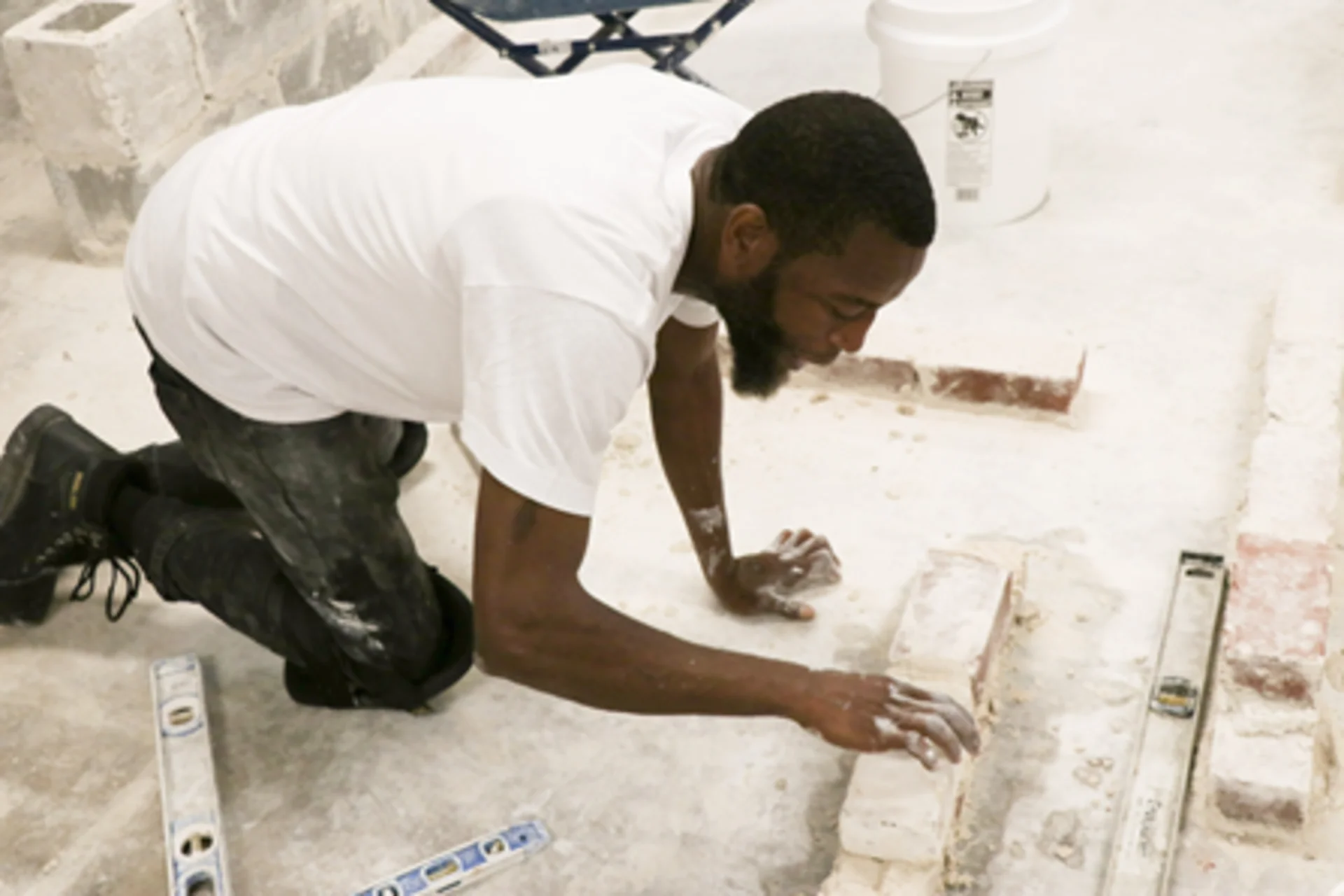
Many students wonder whether working in concrete is a worthwhile career path. The truth is that the answer depends on your interests, strengths, and long-term goals. However, for many people, concrete work offers a stable and rewarding future.
Concrete and masonry program can be an excellent career choice if you:
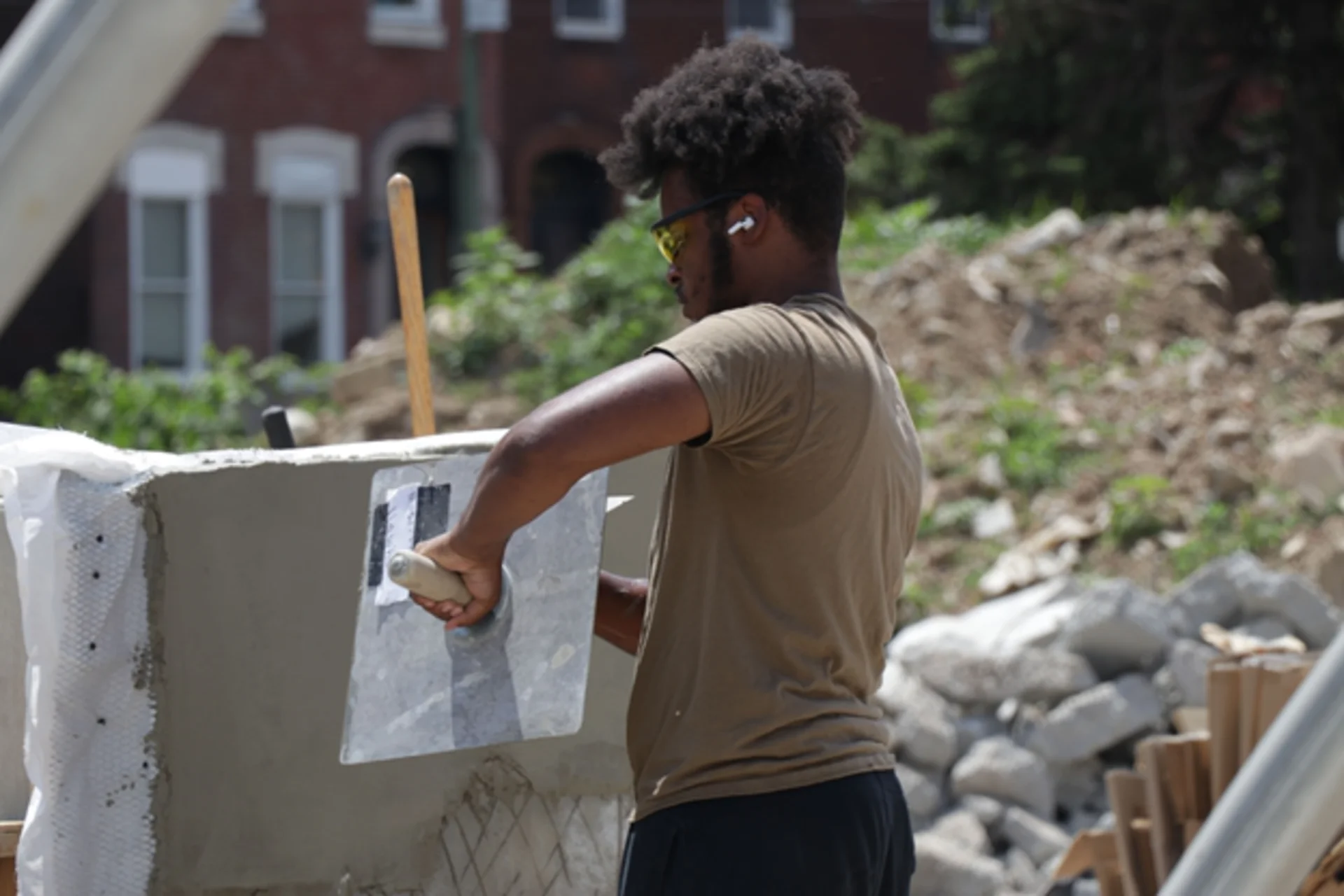
If you dont like spending your day in front of computer behind a desk and love outdoor , a meeting new people at construction sites . Concrete career may be a great fit. Concrete technicians often work on construction sites, highways, commercial developments, and residential projects. As a result, they have the opportunity to work in different environments, stay physically active, and enjoy a change of scenery from one project to the next. Many professionals appreciate being outdoors and seeing their work contribute to community growth.
Not everyone learns best through textbooks or lectures. Some people thrive when they can use tools, solve problems, and build something tangible. Concrete work allows individuals to learn by doing. From pouring foundations to finishing sidewalks and installing forms, technicians can immediately apply their skills on real projects. Consequently, many workers find this type of practical learning more engaging and satisfying than traditional classroom settings.
College is not the right path for everyone, especially when tuition costs continue to rise. Fortunately, pursuing a construction-related career can help students enter the workforce much faster while avoiding significant student loan debt. Many concrete technicians gain valuable experience through training programs, apprenticeships, or on-the-job learning. As a result, they can begin earning an income sooner and build a career without carrying the financial burden associated with a four-year degree.
One of the most rewarding aspects of working with concrete is seeing your achievement firsthand. At the end of the day, you can look back and point to a foundation, parking lot, or building structure and say, “I helped build that.” This sense of achievement motivates many people because they can watch their efforts turn into something that will serve communities for years to come.
Concrete work offers much more than an entry-level position. As workers gain experience, develop technical skills, and demonstrate leadership abilities, they can move into higher-paying and more specialized roles. Many professionals eventually transition into careers such as:
These advancement opportunities make a construction technician career particularly appealing for individuals seeking long-term stability, professional growth, and increased earning potential.

Skills Employers Look for in Concrete Technicians
Successful concrete technicians bring a combination of technical knowledge, physical ability, and interpersonal skills to the job site. Employers often look for candidates who possess the following qualities.
Concrete work can be physically demanding. Technicians frequently lift heavy materials, bend, kneel, stand for extended periods, and perform repetitive tasks throughout the day. A well built physique justifies the demand for concrete technicians at the construction site . Therefore, maintaining good physical condition and stamina helps workers stay productive and work safely in fast-paced environments.
Blueprint reading is a valuable skill in the construction industry. Blue print reading is essential to understand during construction. Concrete and masonry technicians who can accurately interpret plans understand project dimensions, layouts, and specifications more effectively. As a result, they can complete tasks with greater precision, reduce errors, and contribute to smoother project execution.
However, Construction projects involve collaboration among contractors, supervisors, engineers, equipment operators, and laborers. Therefore its important to understand their requirement, because multiple teams often work together simultaneously, strong communication skills are essential. So that each and every technician stays on the same page during instruction, technicians who can clearly share information, ask questions, and follow instructions help prevent misunderstandings and costly mistakes.
Additionally, in concrete work, even minor finishing mistakes can affect the appearance, durability, and structural integrity of a project. For this reason, employers highly value workers who pay close attention to measurements, surface finishes, and curing processes. The architectural mindset and skill help achieve construction training goals.
Concrete technicians literally help shape commercial and residential buildings. They built things that people rely on every day. For students interested in a practical and hands-on training this rewarding career, is exploring construction-focused training opportunities can be a smart first step toward long-term success. Whether your goal is to become a skilled finisher, supervise crews, or eventually manage projects, investing in education and hands-on experience can help you move forward.
Read More link :