
Not every trade school in Philadelphia actually gets you hired. Philadelphia trade schools that place mechanics and technicians in jobs very quickly. Some hand you a certificate and send you on your way. Others have real employer connections, real career services, and real job placement outcomes that you can look up and verify.
If you’re serious about becoming a mechanic or technician in this city, you need to know the difference. You need Philadelphia trade schools that place mechanics and technicians into actual jobs. Not schools that just train you and hope for the best.
In Philadelphia, welders earn an annual average salary of $55,403; electricians earn $65,998 annually, while HVAC technicians take home $63,207 per year. The money is real. The jobs are real. However, only the right training gets you there.
Explore PTTI’s Programs and Talk to an Admissions Advisor →
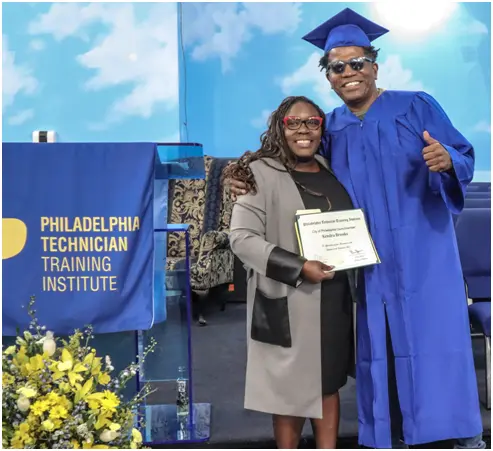
You can get great hands-on training almost anywhere. But training without job placement is only half a career. The gap between “finished my program” and “got hired” is where a lot of students get stuck and it’s exactly where the right school makes all the difference.
All schools are not the same. In order to be sure you are not wasting your time, you need to look for some specific things: accredited trade schools, hands-on focus, and career connections — whether the school has ties to Philadelphia employers. Therefore, when you’re comparing trade schools in this city, the question isn’t just “what do they teach?” The question is: “What happens after I graduate?”
Before getting into specific schools, let’s define what “good at placement” actually means. Because schools throw around job placement claims all the time — and not all of them mean the same thing.
Here’s what to look for:
| What to Look For | What It Actually Means |
| Verified placement rate | Real percentage of graduates hired in their field |
| Employer partnerships | Active relationships with local hiring companies |
| Career services | Resume help, interview coaching, employer introductions |
| Career support timeline | Does it start before or after graduation? |
| Alumni outcomes | Can you talk to graduates who got hired? |
| Industry-recognized certification | Does the training lead to credentials employers require? |
Overall, the schools that check all six of these boxes are the ones worth your time and your tuition dollars. Moreover, in Philadelphia, one school consistently stands out across all six categories for its mechanics and technician programs.
Philadelphia Technician Training Institute PTTI is the school most consistently recognized for getting mechanics and technicians hired in this city. And it’s not just reputation. The numbers back it up.
PTTI provides high-paying jobs through the Department of Labor and Statistics across welding, advanced manufacturing, automotive technicians, central processing and service, steam, sprinkler, pipefitting, drywall framing and finishing, and concreting, masonry and framing — with a 92% placement rate.That 92% figure is what Philadelphia trade schools that place mechanics and technicians should be measured against. Most programs nationally average 70–80% placement within six months. PTTI consistently beats that.
Additionally, Philadelphia has a large scarcity of trained labor. Consequently, trade school programs can lead you to the highest-paying trade jobs in less than a year. Schools like PTTI offer job training programs in fields like welding, automotive tech, and manufacturing that lead straight to the workforce.
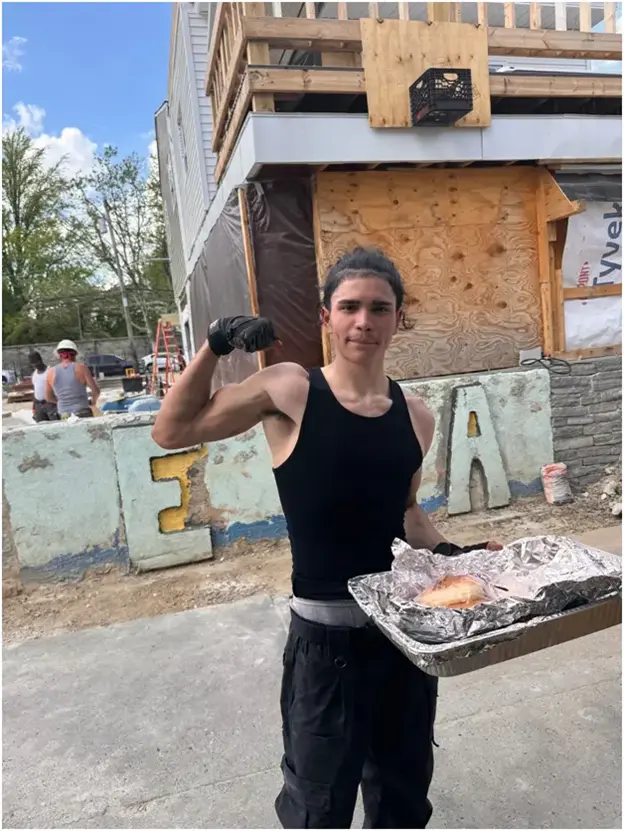
Here’s a breakdown of PTTI’s core mechanic and technician programs and where graduates typically land:
| PTTI Program | Length | Where Graduates Get Hired |
| Automotive Technology & Repair | 26 weeks | Dealerships, independent shops, fleet services |
| Welding Technology | 26 weeks | Manufacturing plants, construction firms, fabricators |
| HVAC Technology | 12 months | Commercial buildings, residential service companies |
| Steam, Sprinkler & PipeFitting | 26 weeks | Industrial facilities, commercial construction sites |
| Manufacturing & Automation | 12 months | Factories, industrial plants, production facilities |
| Sterile Processing & Central Services | 8 months | Hospitals, surgical centers, outpatient clinics |
PTTI offers high-quality construction, welding, pipefitting, automotive, and sterilization programs, among others. It gives graduates the knowledge and skills to fit rapidly emerging professions in the occupational structure and is well known for providing quality instruction, especially for automotive service specialists.Furthermore, every single one of these programs is built around 80% hands-on training. You’re not sitting in a lecture hall watching someone explain how to diagnose an engine. You’re diagnosing real engines. That difference shows up immediately on the job — and hiring managers notice it.
Training is the foundation. Career services is the bridge.
PTTI’s career services department doesn’t wait until you graduate to start working on your employment. The process kicks in during the program itself — typically around 700 hours into training.
Here’s what PTTI’s trade school career services Philadelphia support includes:
PTTI’s instructors bring real-world experience to the classroom and play an active role in preparing students for the job market from resume building to mock interviews.
Additionally, PTTI maintains active relationships with employers across healthcare, construction, automotive, and manufacturing. Therefore, when you finish the program, you’re not starting a cold job search. You’re walking into warm introductions with companies that already know PTTI’s graduates are ready to work.
Many students receive job offers before they even complete their program. That’s not a coincidence. It’s the result of a school that treats placement as a core part of the curriculum — not an afterthought.
Philadelphia isn’t just any market. It’s a city with massive and consistent demand for trained mechanics and technicians across automotive, HVAC, welding, healthcare, and construction sectors simultaneously.
Mechanics will never go out of style, between the potholes and the sheer volume of drivers. However, today’s cars are essentially computers on wheels. For this reason, you need hands-on vocational certification to comprehend current diagnostics.
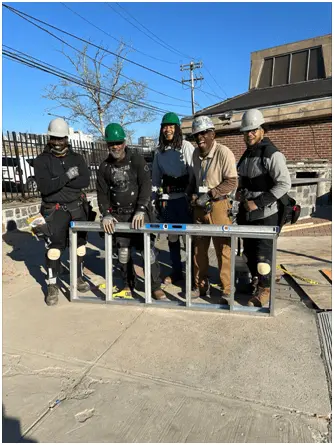
Moreover, Philadelphia’s ongoing infrastructure growth means plumbing and electrical trades are also thriving. The demand is here as the state is growing residential projects are in high demand leading to hiring of technician.The employers are here looking for mechanica and masonry technician. Practically if you see the shortage of trained workers means companies are competing for the right candidates not the other way around. Therefore, the student who finishes a solid trade program with real hands-on training and a strong career services team behind them has enormous leverage in this market.
Financial aid is one of the biggest things holding students back from enrolling is the assumption that they can’t afford it. Completing the FAFSA is the crucial first step, unlocking federal aid such as the Pell Grant, which can provide up to $7,395 for eligible programs. State aid via the Pennsylvania Higher Education Assistance Agency (PHEAA) plays a vital role, with programs such as the Pennsylvania Targeted Industry Program (PA-TIP) providing funding aligned with local job demands in healthcare and manufacturing.
The average cost of a trade school program in Philadelphia generally ranges from $5,000 to $20,000, depending on the length and specialization. Compare that to four years of college costs and the math becomes very clear. Less debt. Faster finish. Real job at the end. That’s the deal PTTI offers.
Philadelphia has a serious shortage of trained mechanics and technicians. The city needs more people who can diagnose engines, weld structural components, install HVAC systems, and sterilize surgical equipment. That shortage is your opportunity but only if you train at a school that gets you hired.
Philadelphia trade schools that place mechanics and technicians into real jobs don’t just exist they’re right here in the city. And PTTI leads that list for one simple reason: they treat job placement like part of the training, not something that happens after you graduate.
The automotive technician job placement Philadelphia outcomes are real. The PTTI mechanic and technician programs are built specifically for the local market. And the career services system ensures you walk out with a resume, an interview, and a real shot at a real job in months, not years.
Read More: