
If you’re looking for a career that combines hands-on work, steady demand, and real earning potential, then an HVAC training program might be exactly what you need. This skilled trade program is always in high demand. Extreme weather in the United States keeps this profession high in demand. There is always hiring going on in this industry; HVAC technicians are needed. Heating, ventilation, and air conditioning technicians keep homes and businesses comfortable year-round, so the work never really slows down. Better yet, you can start building this career without a four-year degree. Let’s walk through what makes this training program stand out, and why it could be your next step forward.
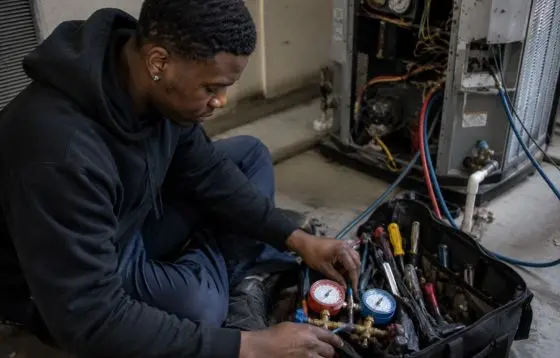
Every home and business relies on a working HVAC system. Therefore, skilled technicians who understand heating and cooling systems are always in demand. Unlike careers that require years of classroom study before you ever touch real equipment, an HVAC training program gets you working with actual tools and systems from day one. You’ll graduate with a diploma, hands-on experience, and two certifications that employers actively look for.
This program doesn’t waste time on filler content. There are various subjects that matter a lot. During the curriculum, you will be taught about refrigeration basics to large commercial warehouse ventilation basics. In the curriculum, you will also learn how large commercial refrigeration works. Instead, it moves through a structured sequence designed to build your skills step by step.
You’ll start with an introduction to HVAC careers, safety practices, and the tools of the trade. From there, you’ll move into refrigeration fundamentals, learning how to measure pressure, handle refrigerants safely, and understand the basic science behind cooling. How to install thermostats for temperature control and use of compressors and filters. Additionally, you’ll study electrical systems, since nearly every HVAC unit depends on motors, controls, and wiring that a technician must know how to test and repair.
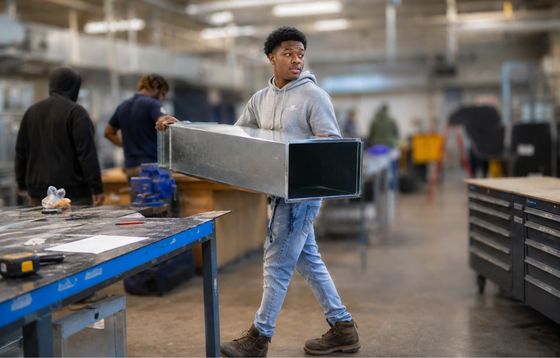
Moreover, as the program progresses, you’ll gain experience with equipment and tools. You’ll diagnose system faults efficiently and build a specialized, highly valued career as a professional commercial refrigeration systems technician.
You will be guided to learn about heating systems, including gas furnaces, heat pumps, and hydronic systems, to handle heating and cooling problems in any season. Furthermore, the program covers energy management and solar integration, giving you an edge as more buildings shift toward energy-efficient systems.
By the final stretch, through this course, students will build a solid foundation in Commercial Refrigeration Systems, gaining an understanding of commercial refrigeration systems, commercial compressors, evaporators, condensers, heat exchangers, metering devices and valves, and commercial refrigeration system configurations
Heating, ventilation, and air conditioning: this training program really stands out. This training program sets the solid foundation required to have for HVAC training programs .
OSHA 30 Certification: This is a well-known certification that is very valuable and must have if yiu are a technician. Safety is the foundation of every HVAC job. Through this program, you’ll earn your OSHA 30 certification as part of your coursework, giving you a workplace safety credential that employers respect and often require.
EPA Section 608 Certification (Type I): If you plan to work with refrigerants, this certification isn’t optional. It’s the law. Fortunately, this training program prepares you for the EPA 608 exam and gives you the opportunity to take it once during your training, completely free of charge.
If you carry these two certifications together, they immediately make you a more competitive and valuable candidate. Consequently, you won’t just have a diploma; you’ll have proof that you meet federal safety and environmental standards. PTTI makes sure you get both during training through your dedication and hard work. PTTI Mentors help you achieve the program
Reading and knowing about HVAC repair and actually doing it are two very different things. That’s why this program emphasizes hands-on learning throughout every course. You’ll practice on real HVAC units, work with gauges and multimeters, fabricate ductwork, and troubleshoot systems the same way you will on the job.
This approach matters because employers want technicians who can walk onto a job site and get to work immediately. This dedication matters a lot tot to business owners like . Moreover, hands-on training builds the kind of confidence that classroom learning alone simply can’t provide. By the time you finish, diagnosing a faulty compressor or repairing a heating and cooling system won’t feel intimidating. It’ll feel familiar. If you are punctual at the job site , you are dedicated and eager to learn . Candidates who have problem-solving skills are hired much more easily . PTTI teaches you this also .
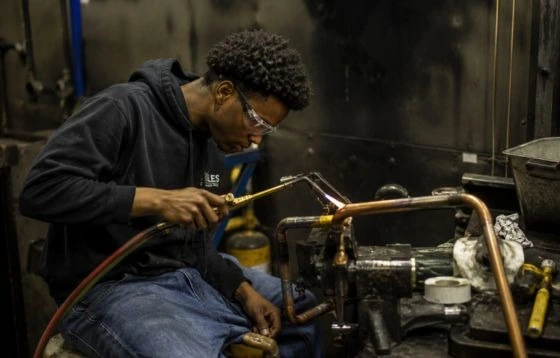
Technical skills are essential, but they’re not the whole picture. That’s why the program also includes job application skills, covering resume writing, interview preparation, and professional customer service. After all, knowing how to service an HVAC unit is only half the job. Being a technician, you will not be hired because of your experience, but soft skills matter s too. Especially in vocational education. Service at a client site n and punctuality. You also need to know how to communicate with customers, prepare estimates, and manage a service call from start to finish.
Finally, let’s have a look at the program, which includes an externship, giving you the chance to apply everything you’ve learned in a real work environment before you graduate. This brings a lot of students for admission. Many aspirants like this because. They also get to know business owners. Develops confidence among students.Under the guidance of the PTTI Career Service Department. It also helps students understand industry norms and requirements.
This HVAC training program works well for high school graduates exploring career options, career changers looking for stable work, and anyone interested in a hands-on trade instead of a desk job. You don’t need previous HVAC repair experience to get started. The program is structured to take you from the basics all the way through advanced commercial refrigeration systems.
An HVAC training program offers something rare: a fast, hands-on path into a stable, in-demand career. With free OSHA 30 and EPA 608 certifications built into your training, you graduate with far more than a diploma. You leave with the credentials, skills, and confidence to walk into interviews ready to work.
If you’ve been searching for a career that offers real growth without years of classroom study, now is a great time to explore this program further. This is the best program you can look up to. Reach out today to learn about enrollment, financial aid options, and how soon you can start building your future in HVAC.
No prior experience is required. The program is designed to teach you everything from the fundamentals up.
Yes, both certifications are provided at no additional cost as part of the training program.
Yes, the program emphasizes hands-on practice with real equipment throughout every course.
Both. You’ll study residential systems first, then progress into commercial refrigeration basics, installation, and design.
You’ll graduate with a diploma, your certifications, and an externship experience, plus job application support to help you find your first role.
Read More :