
Thirty isn’t too late to start a new career. In fact, it’s often the perfect time. If you’re wondering how to become an HVAC technician at 30, you’re not behind. You’re bringing life experience, discipline, and motivation that many younger students haven’t developed yet. This guide breaks down exactly what the path looks like, step by step.
Many people assume trade careers only work for teenagers straight out of high school. However, that’s simply not true. A career change at 30 often comes with real advantages. You likely know how to manage responsibilities, show up consistently, and handle customer interactions professionally. Additionally, you probably have a clearer sense of what you want out of a career than you did a decade earlier.
The students who pursue HVAC Technician programs deal with homeowners, business owners, and property managers, and real estate agents every day. Therefore, someone who already understands professionalism and communication often adapts faster than expected.
Explore PTTI career and placement opportunities
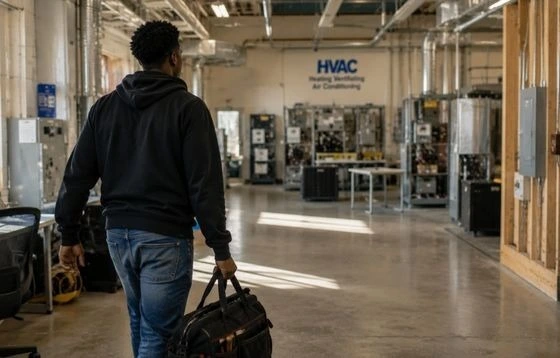
Before understanding what the HVAC technician program offers, you must know what type of job profile it carries. It solves heating, ventilation, and air conditioning issues in households. It deals with inspecting and installing the HVAC system. The Technicians install, maintain, and repair heating and cooling systems in homes, offices, and commercial buildings. This includes diagnosing electrical issues, handling refrigerants safely, and working with ductwork and ventilation systems.
Moreover, this job involves physical work because you have to go door to door for installing, maintaining, and inspections. Along with knowledge of temperature and electrical systems,g, and constant learning as equipment technology evolves. If you enjoy hands-on troubleshooting rather than sitting at a desk, this career path fits naturally.
The heating, ventilation, and air conditioning program lasts 26 weeks. Therefore, you don’t need a four-year degree to become an HVAC technician. Instead, a focused HVAC training program at PTTI that teaches you the skills employers actually look for, usually within months rather than years.
When looking for HVAC certification programs, look for a few key things. First, confirm whether the program includes hands-on lab training, practical learning, and assistance from industry mentors, not just lecture-based learning. You should know the theories. But these vocational training programs demand hands-on training because these are problem-solving fields. It deals with tools and real equipment, not coding or writing. Additionally, check whether the program builds toward real HVAC certification, since certification often determines what jobs you qualify for after graduation. Finally, ask about job placement support, since a strong program should help connect you to employers, not just hand you a diploma and send you on your way.
Certification matters more in HVAC than in many other trades. Two credentials come up constantly in this industry. OSHA Certification or any other certification convinces and promises local business owners that the applicant has passed his test and is eligible for employment
EPA Section 608 Certification: This is a very important certification required by federal law for anyone working with refrigerants. Without it, you legally cannot handle certain HVAC equipment. A quality training program builds this certification directly into coursework, often at no additional cost.
OSHA 30 Certification: A much-demanded certification in the skilled trade industry , it promises occupational safety and shows employers that you understand workplace safety standards. Many training programs include this certification alongside your technical coursework, so you graduate with both technical skills and a safety credential already in hand.
Reading about refrigeration cycles and actually diagnosing a broken compressor are two very different skills. That’s why hands-on training matters so much in this field. A well-structured HVAC training program moves students through real coursework covering refrigeration fundamentals, electrical systems, air conditioning systems, heating systems, and indoor air quality.
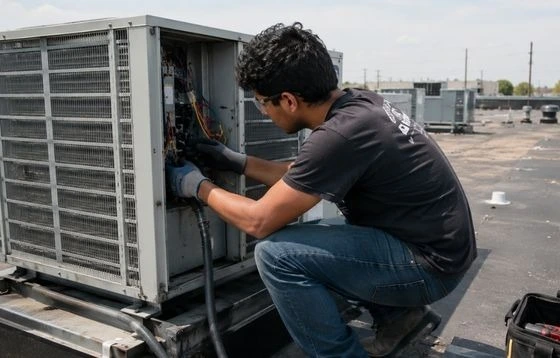
Eventually, you’ll also gain experience with commercial refrigeration systems, which opens the door to higher-paying opportunities beyond basic residential repair work. Along with installing and inspecting HVAC, by the end of training, diagnosing a faulty thermostat or repairing a heat pump should feel familiar, not intimidating.
Technical skill alone doesn’t land the job. Managing the task with dedication along with performance also matters. That’s why strong training programs also teach resume writing, interview preparation, and professional customer service skills. PTTI’s career service department supports all these placement processes. As a career changer at 30, you already bring transferable skills from your previous work experience. Learning to communicate that value clearly during interviews makes a real difference in how quickly you get hired.
Many HVAC training programs end with an externship, giving you real-world experience before you officially graduate. The experience is provided by industry mentors . They have years of experience in the skilled trade training industry . This step really matters because it bridges the gap between classroom learning and actual job performance. By this point, students understand how ready they are to join the industry workforce. Furthermore, externships often lead directly to job offers, since employers get to see your work ethic firsthand before committing to a hire.
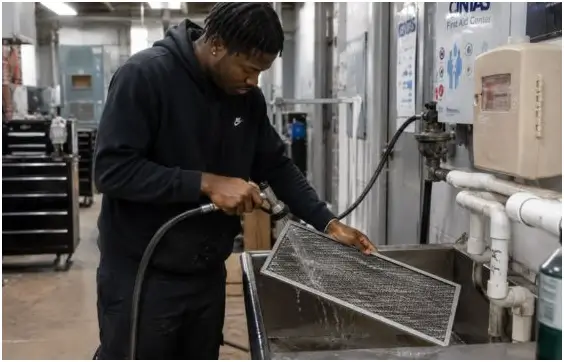
Once you’re certified and have completed your training, you’re ready to start applying for entry-level HVAC technician roles. In this placement process, PTTI Career Services will help you apply to different job locations. You will be in touch with alumni who have passed out. That can be helpful for you . PTTI helps with resume writing and gets you ready for interviews as well. However, through this process, you will be ready to join at entry-level positions. Look for positions labeled as apprentice, installer, or junior technician, since these roles are designed for new graduates. Many technicians also choose to work alongside a licensed contractor while building additional experience and confidence.
Yes, and it’s more common than you might think. HVAC training programs are specifically structured to work for adult career changers, not just recent high school graduates. Most programs run for months, not years, which means you can realistically complete training and start working within your first year of enrolling. Additionally, many students at 30 find that their previous work experience actually helps them stand out to employers, since they bring reliability and professionalism from day one.
30 is not very old age nor very young . It is an age where you are much more experienced, and whatever you decide at this age will stay with you forever. Therefore,learning how to become an HVAC technician at 30 comes down to a clear, achievable path. At this age, you become clearer and more confident; at this mature age, the decisions remain lifelong . Choose a training program that includes hands-on practice and real certification, complete your coursework and externship, then start applying for entry-level roles. Thirty is far from too late. If anything, it’s a strong starting point for a stable, in-demand career that doesn’t require starting over from zero.
No. Many students start HVAC careers in their 30s and succeed just as well as younger graduates.
Most programs run several months to about a year, depending on the school and schedule.
Most programs require a high school diploma or GED to enroll.
Most programs include EPA Section 608 and OSHA 30 certifications as part of the coursework.
Yes. HVAC training programs are designed to teach students with no prior background in the trade.
Read More :