
The 2026 labor market is sending a clear signal to anyone weighing their next career move: employers across manufacturing plants, hospitals, construction sites, fabrication shops, and mechanical contractors cannot find enough skilled hands. A wave of retirements, aging infrastructure, reshored manufacturing, and steady healthcare demand have combined to create real, measurable hiring pressure in the skilled trades, while many white-collar fields have slowed.
This article breaks down the skilled trades job outlook for 2026 and answers the question prospective students ask most often: which careers are actually hiring the hardest? Using the latest federal employment projections and regional demand signals, we rank the trades by hiring intensity, cover salary and job security, explain what employers want on day one, and show how quickly you can train for these roles in the Philadelphia region. It is written for high school students, recent graduates, career changers, veterans, and adult learners who want data, not hype, before choosing a path.

Three forces are driving the current hiring surge, and understanding them explains why the outlook is so strong.
The first is the retirement wave. A large share of the skilled trades workforce is nearing retirement, and every departure creates an opening that must be filled by someone new. This is why even trades with modest projected growth still post tens of thousands of openings each year. The demand is real regardless of whether the total job count expands quickly.
The second is infrastructure and construction. The nation’s bridges, water and gas systems, rail, and commercial buildings require constant repair and replacement. Federal and regional investment in infrastructure keeps welders, pipefitters, masons, and equipment technicians busy for years at a time.
The third is manufacturing and automation. As factories adopt more automated and robotic systems, they need technicians who can install, maintain, and troubleshoot that equipment. This is one of the fastest-growing corners of the skilled trades and a direct answer for students asking where they can learn manufacturing automation without a traditional college path.
For a broader look at how these dynamics are reshaping regional careers, PTTI’s overview of the skilled labor shortage in 2026 provides useful context.
Which careers are hiring the hardest? Based on federal projections for 2024–2034, the trades with the strongest combination of growth rate and annual openings are industrial automation, sterile processing, and automotive, followed closely by welding and pipefitting. The table below compares the six career areas PTTI trains for.
| Trade Area (PTTI Program) | Projected Growth 2024–34 | Approx. Annual Openings | Primary Hiring Driver |
| Manufacturing & Automation | ~13% (much faster than avg.) | ~54,200 | Factory automation, reshoring |
| Central Processing & Sterile Services | ~10% (faster than avg.) | ~10,900 | Healthcare growth, surgical volume |
| Automotive Repair | ~4% (average) | ~70,000 | More vehicles, longer vehicle life |
| Welding Technology | ~2% (replacement-heavy) | ~45,600 | Retirements, infrastructure |
| Steam, Sprinkler & Pipe Fitting | ~4% (average) | ~44,000 | Construction, retirements, green systems |
| Concreting, Masonry & Framing | ~2% (steady, replacement-heavy) | ~20,700 (masonry) | Infrastructure repair, building |
Manufacturing and automation is the fastest-growing skilled trade heading into 2026. Federal projections put growth for industrial machinery mechanics, maintenance workers, and millwrights at about 13% through 2034, much faster than average, with roughly 54,200 openings each year. The driver is clear: as plants automate, someone has to keep the robots and machinery running.
This is a strong answer for students asking where they can train for industrial maintenance or manufacturing line technician roles. The work blends mechanical, electrical, and troubleshooting skills, and it rewards people who like solving problems and working with advanced equipment. Employers increasingly want technicians comfortable with sensors, programmable systems, and diagnostics, not just wrenches.
In the Philadelphia region, manufacturing and logistics facilities continue to invest in automated lines, creating steady local demand. PTTI’s Manufacturing & Automation program is built around hands-on labs and industry-standard equipment so graduates walk onto the floor job-ready.
Curious where automation can take you? Explore PTTI’s programs and see which hands-on track fits your goals.
Sterile processing is one of the most overlooked high-demand careers of 2026. Classified federally as medical equipment preparers, these technicians are projected to grow about 10% through 2034, faster than the average for all occupations, with roughly 10,900 openings each year. Every surgery depends on properly cleaned, sterilized, and assembled instruments, which makes this role essential to hospitals and surgical centers.
For students who want a healthcare career without years of schooling, sterile processing is a direct entry point. It requires a high school diploma or GED, hands-on training, and a certification such as the CRCST, and it can typically be entered in well under a year. The Philadelphia region’s dense network of hospitals, surgical centers, and a growing life-sciences sector keeps local demand consistent.
PTTI’s Sterile Processing & Central Services program prepares students for certification and real hospital environments, including the infection-control discipline employers expect
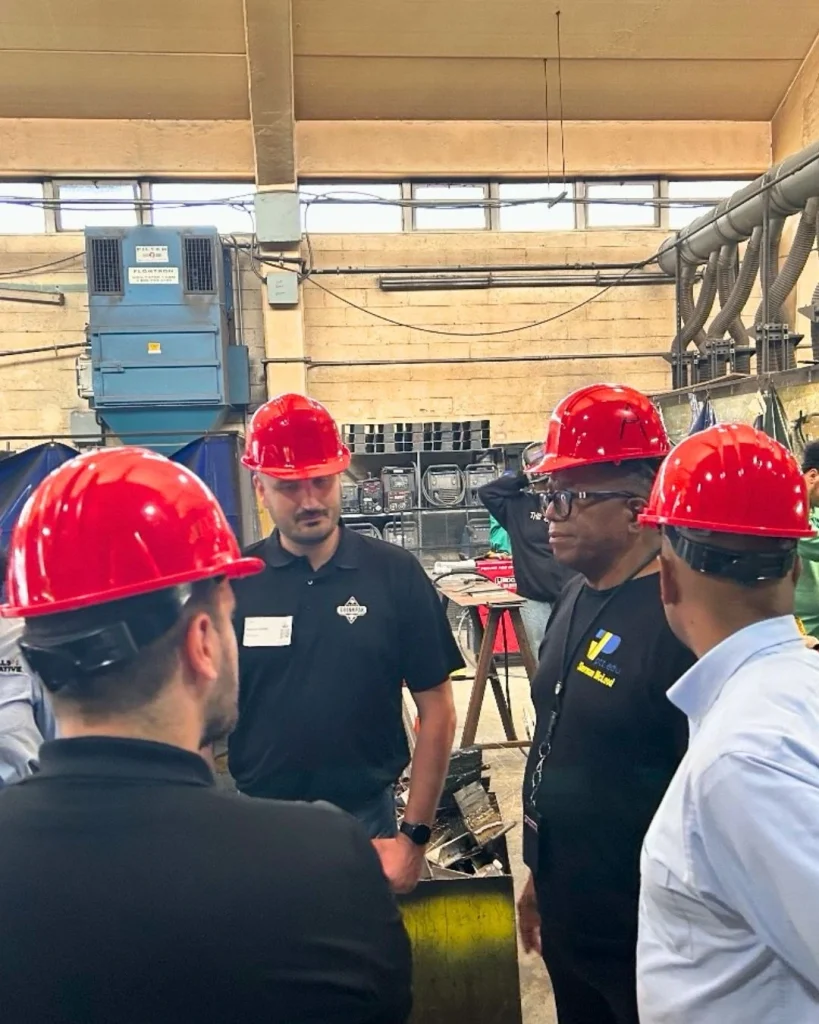
Automotive repair posts the highest raw number of openings of the trades on this list, roughly 70,000 per year, with about 4% projected growth through 2034. The reason is simple: there are more vehicles on the road than ever, and owners are keeping them longer, which increases demand for skilled maintenance and repair.
The nature of the work is also changing. Modern vehicles are rolling computers, packed with sensors, advanced driver-assistance systems, and increasingly electric or hybrid drivetrains. Technicians who understand diagnostics and modern automotive electronics have the strongest prospects and the best pay. This directly answers a common regional question about where to learn auto diagnostics and EV or hybrid basics in Philadelphia.
PTTI’s Automotive Repair Technology program emphasizes real shop experience and current diagnostic technology, preparing students for ASE certification and entry-level technician roles.
Welding is a classic example of a trade where the headline growth rate understates the real opportunity. Projected growth is modest at about 2% through 2034, but the field still generates roughly 45,600 openings each year, almost entirely because experienced welders are retiring and infrastructure work is constant.
Welding is performance-based, which is part of its appeal. Employers care whether you can pass a weld test to a recognized standard, not whether you hold a degree. That makes it one of the fastest trades to enter, and skilled welders can begin earning quickly. The Philadelphia area carries unusually deep welding demand thanks to shipbuilding, structural steel, and pipefitting work.
Students researching the fastest route into the trade often ask the best way to become a welder in Philadelphia and start earning within a year. PTTI’s Welding Technology program is designed around that goal, with booth time on industry-standard equipment and certification readiness. For a deeper dive, see PTTI’s guide to the highest-paying trade jobs in Philadelphia without a degree.
Plumbers, pipefitters, and steamfitters are projected to grow about 4% through 2034, with roughly 44,000 openings each year. This trade benefits from a steady mix of new construction, aging-system replacement, retirements, and the shift toward energy-efficient and green mechanical systems.
Pipefitting and steamfitting are among the most reliably in-demand mechanical trades, and they carry strong union representation in Philadelphia, which supports competitive wages and clear advancement. Fire-sprinkler work adds another layer of consistent demand, since sprinkler systems are required and regularly maintained in commercial buildings.
For students asking where to learn sprinkler installation, steam systems, or industrial piping in Philadelphia, PTTI’s Steam, Sprinkler & Pipe Fitting program covers the practical, code-aligned skills employers need.
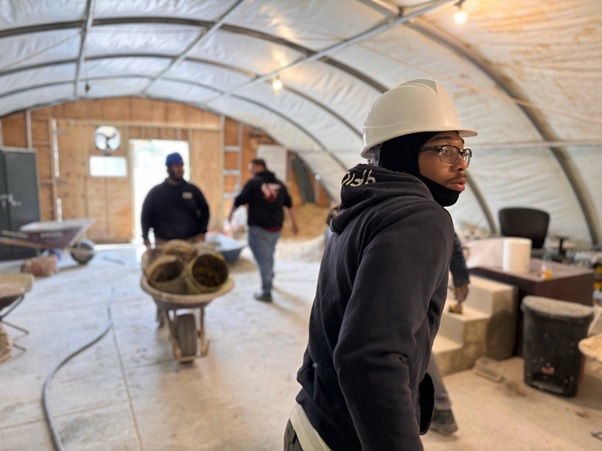
Masonry and concrete work show steady, replacement-driven demand. Overall masonry employment is projected to grow about 2% through 2034 with roughly 20,700 openings each year, while the broader construction and extraction group is projected to grow faster than average and post hundreds of thousands of openings annually. In short, the individual trade grows slowly, but the construction sector hires heavily. Concrete, masonry, and framing skills remain essential to infrastructure repair, commercial and residential construction. These physically demanding but stable careers offer clear paths to supervisory and business-owner roles. PTTI’s Concreting, Masonry & Framing program combines classroom learning with job-site-style practice.
If “hiring the hardest” means the strongest combination of growth and unmet demand, manufacturing and automation leads, followed by sterile processing for healthcare-bound students. If it means the sheer volume of openings, automotive repair tops the list, with welding and pipefitting close behind on replacement demand. Every one of these trades is hiring, and none require a four-year degree.
The practical takeaway is that there is no single “right” answer, only the right fit. A student drawn to technology and problem-solving may thrive in automation. Someone who wants a healthcare career fast may choose sterile processing. A hands-on builder may pick welding, pipefitting, or masonry. What unites them is strong 2026 demand and a short, direct training path.
To compare options side by side, PTTI’s roundup of >in-demand Philadelphia trade careers for 2026 is a helpful next read.
Philadelphia is one of the better places in the country to enter the skilled trades, because demand comes from several directions at once. The city’s active shipbuilding and ship repair, healthcare and life-sciences construction, manufacturing base, and constant infrastructure work all pull on the same pool of skilled workers.
That demand reaches well beyond the city core. Graduates find work across North, South, West, and Northeast Philadelphia and neighborhoods including Spring Garden, Mantua, Powelton Village, and Allegheny West, along the Broad Street, Woodland Avenue, and Ogontz Avenue corridors, and throughout nearby communities such as Yeadon, Lansdowne, Darby, Drexel Hill, and Ardmore in Pennsylvania. Across the river, South Jersey towns including Camden, Pennsauken, Collingswood, Cherry Hill, Maple Shade, Cinnaminson, Haddonfield, Gloucester City, and Audubon add further opportunity, with Delaware within reach as well. Because trade certifications are portable, training centrally in Philadelphia positions graduates to follow the best opportunity in any direction.
Skilled trades pay competitively, especially given the short training timeline and lack of student debt. The figures below are national medians from recent federal data and vary by employer, certification, overtime, and region; union and specialized roles in Philadelphia often trend higher.
| Trade Area | Approx. National Median (Recent) |
| Pipefitters / Steamfitters | ~$61,500 |
| Masonry Workers | ~$56,600 |
| Welders | high $40,000s (union/specialty higher) |
| Sterile Processing (Medical Equipment Preparers) | ~$47,700 |
| Automotive Service Technicians | varies widely; certified/specialized higher |
| Industrial / Automation Technicians | among the higher-paying trades |
Two points matter for earning potential. First, certification consistently raises pay across every one of these trades. Second, overtime and specialization, such as pipe welding, EV diagnostics, or automation troubleshooting, push earnings well above the median. For students focused on income, PTTI’s breakdown of why a skilled trades career makes sense in 2026 adds helpful perspective.
Across the trades, certifications are one of the highest-return steps a new worker can take. They tell employers that an independent body has verified your skill. The most relevant credentials by trade include:
A quality trade school builds certification readiness directly into its curriculum, which is why structured, hands-on training matters more than self-study for job-seekers who want to be hired quickly.
One of the biggest advantages of the skilled trades is speed to career. Most of these roles require only a high school diploma or GED plus focused, hands-on training, and many can be entered in under a year. Sterile processing and welding, in particular, are known for short, direct paths from classroom to employment.
This is precisely what adult learners and career changers ask about most: where they can retrain for a skilled trade in less than a year without taking on heavy debt. A concentrated program that emphasizes lab time, certification prep, and job-readiness delivers exactly that. Compared with a four-year degree, trade training costs less, takes far less time, and aligns directly with what employers are hiring for right now.
Ready to move quickly? Contact PTTI admissions or schedule a campus tour to see the labs and get a clear training timeline.
The data is consistent across every major skilled trade: employers are hiring, retirements are opening doors, and the fields that hire hardest, from manufacturing and automation to sterile processing, welding, automotive, and pipefitting, all reward hands-on skill over a four-year degree. For students, career changers, veterans, and adult learners in the Philadelphia region, the opportunity in 2026 is not abstract. It is local, immediate, and reachable with focused training.
The most direct way to act on this outlook is to choose a hands-on program aligned with real employer demand, earn the certifications that matter, and enter a field that is actively hiring.
Take the next step. Explore PTTI’s programs, request information, or visit financial aid options to plan your path. Veterans can review veterans education benefits, and when you are ready, contact admissions to get started.
Manufacturing and automation lead on growth (about 13% through 2034), and sterile processing is close behind (about 10%). By sheer volume of openings, automotive repair tops the list with roughly 70,000 a year, followed by welding and pipefitting on strong replacement demand.
The outlook is strong. A retirement wave, infrastructure investment, and factory automation are creating steady openings across welding, automotive, pipefitting, masonry, automation, and sterile processing, even in trades with modest overall growth rates.
Yes. Many trades pay national medians ranging from the high $40,000s to over $60,000, with union, certified, and specialized roles earning more. None of the trades covered here require a four-year degree; a high school diploma or GED plus hands-on training is the standard entry point.
Welding and sterile processing are known for short, direct training paths, and several other trades can be entered quickly with focused, hands-on programs. Most require only a diploma or GED to begin.
Welding, pipefitting and steamfitting, automotive repair, manufacturing and automation, and sterile processing all show strong regional demand, driven by shipbuilding, healthcare, manufacturing, and infrastructure work across the tri-state area.
They are not always legally required, but credentials like the AWS Certified Welder, ASE, CRCST, and OSHA safety training significantly improve hireability and pay, and many employers and projects expect them.
For the trades in this article, trade school is the standard path. Employers want demonstrated, hands-on ability, which a focused program delivers in a fraction of the time and cost of a four-year degree.
Philadelphia Technician Training Institute (PTTI) offers hands-on training across six high-demand trades, serving students throughout Philadelphia, surrounding Pennsylvania counties, and South Jersey.