
Trade careers are becoming one of the biggest economic equalizers in Philadelphia right now. It doesn’t matter where you grew up, what your family could afford, or what your transcript looked like. Trade careers in Philadelphia are a game-changer for philly youth. Therefore, trade careers are leveling the playing field in ways a traditional four-year path simply can’t match.
College has always been an uneven playing field. A four-year public degree now runs roughly $108,000 or more in total cost of attendance. Sometimes it becomes difficult for a student and his family to repay the loan, as it costs a lot. Also, the training duration is too long . Meanwhile, trade programs typically cost a small fraction of that number. Once you get enrolled at PTTI.
Additionally, nearly half of bachelor’s graduates leave school with student loans averaging close to $30,000. Many trade school graduates, however, start their careers with little to no debt. Therefore, that gap alone removes one of the biggest barriers standing between talent and opportunity.
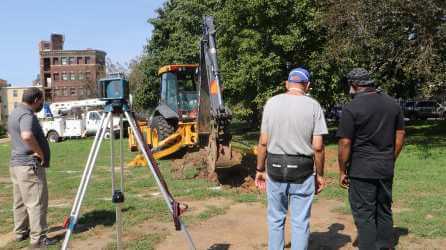
Speed Changes Everything
Time matters just as much. Trade school graduates can start earning in under a year, while degree-seekers often spend four-plus years before their first full-time paycheck. Once you start earning, it’s possible to repay loans as well.
Consequently, by the time a four-year graduate enters the workforce, a trade worker may already have several years of experience, several raises, and zero educational debt. Placement is also so quick that debt and loans seem to get paid off quickly. That head start compounds fast, regardless of where someone started out financially.
Trade careers reward skill, not connections. Connections matter when you’re starting your business. For technical institutes, connections are important for placement. Employers care whether you can wire a panel correctly or diagnose a failing compressor. Debt becomes a helping hand in achieving career growth and skills; matters a lot in skilled trades. 90 percent of the requirement is hands-on training.
Furthermore, this merit-based structure opens doors for each and every high schooler looking for trade careers . Skilled trades maintain real pricing power because workers hold specialized skills that few others can replicate. Therefore, advancement depends on ability and reliability, not who you know.
Philadelphia’s labor shortage works in favor of new workers, regardless of background. About 349,000 net new construction workers are needed nationally in 2026 alone, with roughly five retirees leaving for every two new entrants joining the field.
The trade technician shortage is in the nation, but vice versa there is also high demand too. Due to developing infrastructure. However, this shortage means employers can’t afford to be picky about pedigree anymore. Anyone willing to train and show up reliably has real negotiating power right now. The vocational training you will receive at PTTI will also be delivered by industry experts who run their own businesses or are self-employed. That shift benefits communities that traditional hiring pipelines often overlook.
Trade careers now routinely support full households. There is a flexible class option in the Sterile Technician program. The Union and certified positions in fields like pipefitting, steamfitting, HVAC, and automotive repair commonly reach $80,000 to $100,000 or more in the Philadelphia region. The Central Processing online program is hybrid, allowing mothers and other women to pursue this skilled trade.
Additionally, many trade employers offer full health insurance and retirement benefits in addition to these wages. This is very beneficial for the technician. Therefore, a single trade career can realistically support a family, something that once felt out of reach without a four-year degree. These benefits are kind of motivation for all these technicians. They mostly work outdoors in extreme temperatures. So these facilities bring assurance to workers.
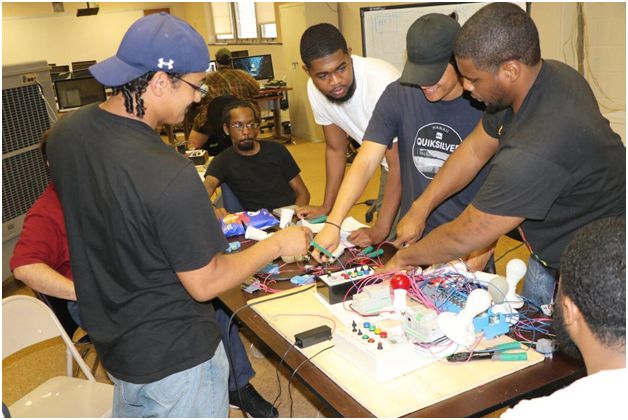
Trade schools serve students and people in every region, whether in South Philadelphia or North Philadelphia. Every area student and youth is assisted and guided at PTTI for their career growth in Philadelphia, equally, no matter what . You don’t need to live near a major university or afford campus housing across the country. Local, hands-on training puts a real career within reach no matter your zip code.
Furthermore, this local accessibility matters enormously to students who otherwise couldn’t relocate for school. Training happens close to home, and jobs open up close to home too.
Academic performance used to heavily gatekeep opportunity. However, hands-on intelligence is real intelligence. Many excellent technicians simply learn better by doing than by sitting through lectures.
Therefore, a rough transcript no longer has to define someone’s earning potential. Trade programs evaluate willingness to learn and work ethic, not standardized test scores from years earlier.
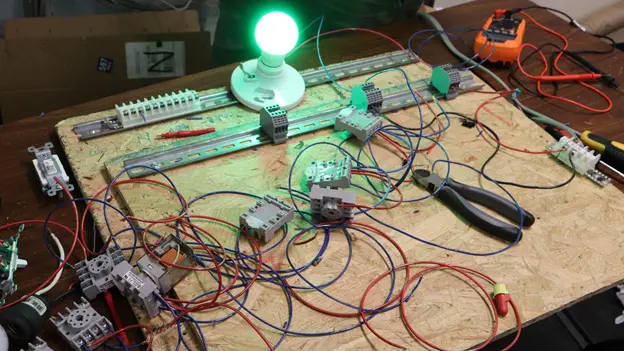
PTTI builds its entire model around this idea. From assisting with financial aid to helping write resumes, the PTTI career service department is always there for its students. Programs run months, not years, so students start earning fast regardless of financial background. Additionally, financial aid, grants, and flexible scheduling make training accessible to working adults and career changers alike.
Furthermore, PTTI’s hands-on approach focuses on the skills employers actually test for, not academic students. They also review safety certifications you are aware of or not . Students graduate with real certifications, real experience, and real job application support, ready to compete on ability alone.
Call the PTTI Career Services Department if you are looking for such enrollment: .215-381-9403, or email info@ptt.edu to start your own path today.
Lower cost, faster training, and merit-based hiring reduce traditional barriers tied to background and finances.
Yes. Definitely. It does. Certified and union positions in fields like HVAC and pipefitting often reach $80,000 to $100,000 or more. Your lifestyle and city where you stay also matter.
No. Not exactly needed. If yoy are a beginner and have knowledge of basic maths and physics, that works. The Hands-on ability and work ethic matter far more than past grades.
Yes. Trade Training is available, and financial aid and grants are provided to those with lower incomes. Flexible scheduling makes training accessible to most students.
A national worker shortage is giving new workers real leverage and faster advancement. Anyway, skilled trades are in demand nationwide as worker shortages are seen.
Overall, trade careers are leveling the playing field by removing cost and time as barriers to a stable career. Philadelphia’s worker shortage only strengthens this shift, giving new entrants real leverage regardless of background. Trade careers in Philadelphia have provided financial stability to so many young people that this has spread throughout the region, and many talented technicians are emerging. Some of them are setting up their own businesses. Therefore, a hands-on trade path now stands as one of the clearest routes to real economic mobility in the city.
Read More 👍